

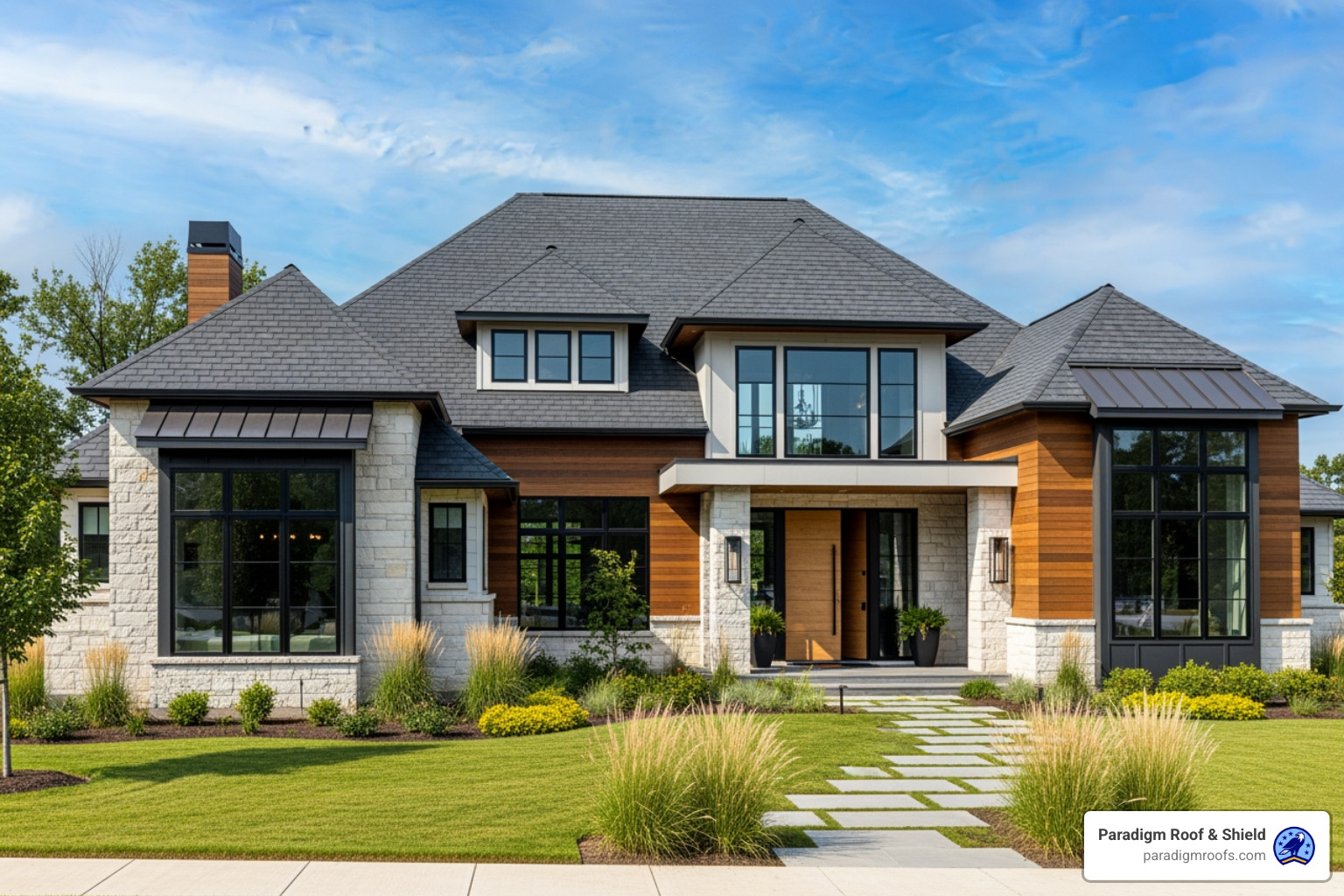
Understanding What Makes a Roof Last 50 Years
When it’s time for a new roof, you’ve likely heard the term 50 year roof material and wondered if it’s the ultimate solution. These premium systems promise exceptional longevity, but what does that label truly mean? Making the right choice is critical, as a typical roof replacement costs between $6,000 and $20,000, while a 50-year system can exceed $40,000. At Paradigm Roof & Shield, we provide expert residential and commercial roofing services to help homeowners make informed decisions. This guide unpacks the reality behind 50-year roofing, from its actual lifespan and cost to the warranties that protect it.
Here’s what you need to know upfront:
- The Label is About Warranty Length, Not Guaranteed Lifespan: A “50-year” designation refers to the manufacturer’s limited warranty period, not a promise of 50 years of performance.
- Real-World Lifespan is 25-40 Years: With proper installation and maintenance, expect 80-85% of the rated lifespan in most climates.
- Materials Matter: Premium architectural shingles, metal, synthetic composites, and traditional tile or slate can all qualify as 50-year materials.
- Installation Quality is Critical: Even the best materials fail early if installed incorrectly—proper installation is non-negotiable.
- Climate Impacts Performance: Intense sun, hail, humidity, and temperature swings in places like Texas or Florida can shorten any roof’s life.
For decades, the 30-year asphalt shingle was standard. Today, premium architectural shingles—often marketed as “50-year” or “lifetime” products—are the new benchmark for durability and curb appeal. Your roof is your home’s first line of defense, especially in climates with extreme weather like the DFW area, Houston, or coastal Florida. Choosing the right roofing material can mean the difference between decades of protection and premature failure.
I’m Greg Hiltz, CEO and co-owner of Paradigm Roof & Shield. My experience has shown me that understanding 50 year roof material options is essential for a smart investment. Let’s break down what you need to know.
What “50-Year Roof” Actually Means (It’s Not a Guarantee)
When a manufacturer labels a roofing product as a “50-year shingle” or advertises a “50-year roof,” it primarily refers to the length of the material warranty against manufacturing defects under ideal laboratory conditions. This designation is not a guarantee that your roof will literally last for half a century. We often see homeowners get excited about the prospect of a 50-year roof, only to be surprised by the nuances of what that term truly implies.
In the real world, a roof’s actual lifespan is almost always shorter than the warranty period. Think of it like the “miles per gallon” rating on a new car—it’s achieved under perfect test conditions, not necessarily your daily commute through Houston traffic or the intense heat of a McKinney summer.
The 80-85% Rule of Thumb
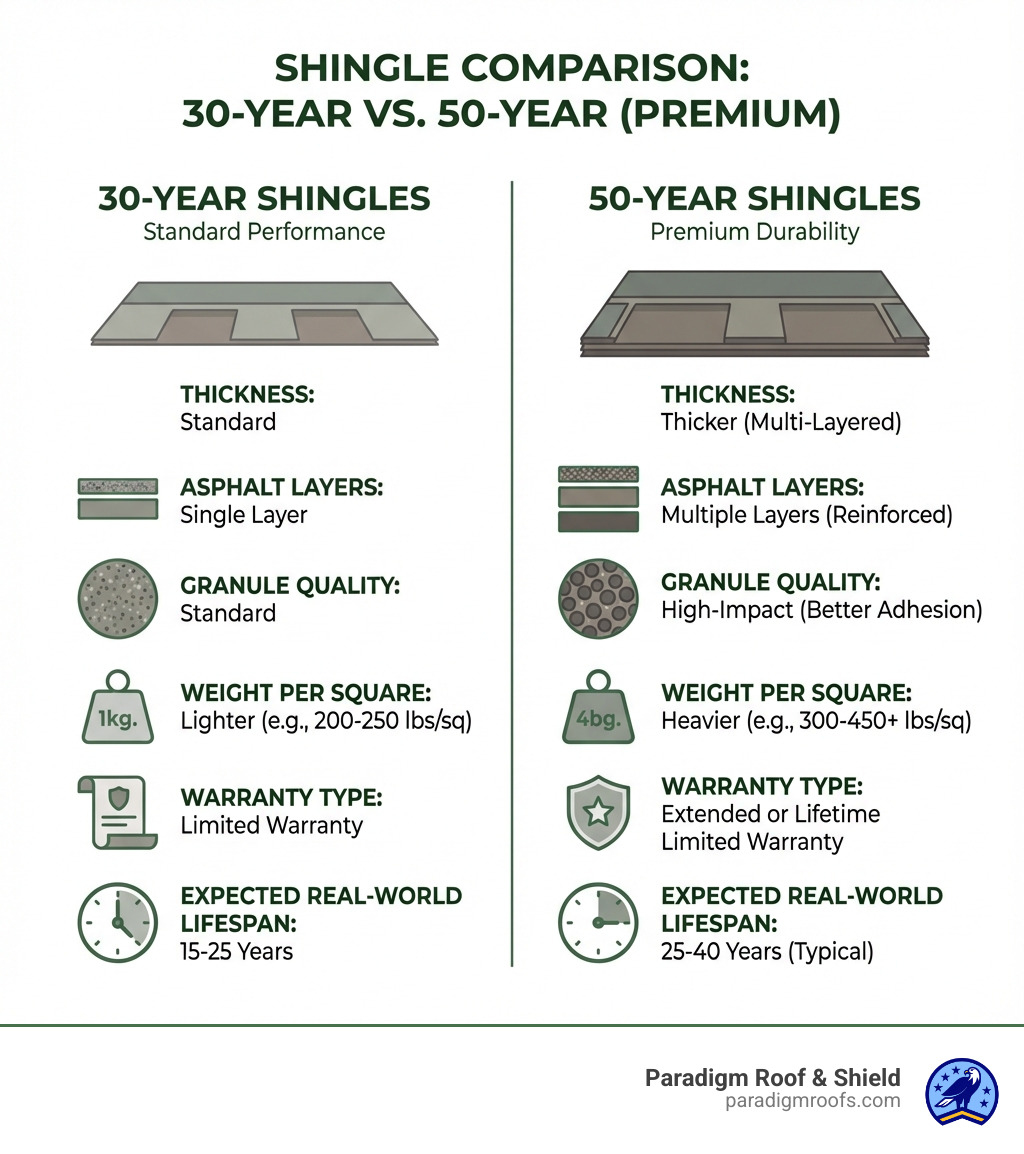
So, if not 50 years, then how long can you expect your roof to last? A good rule of thumb we use in the industry is that a well-installed and properly maintained architectural shingle roof will last 80-85% of its rated lifespan. For a 50 year roof material, this translates to a more realistic expectation of 25 to 40 years of reliable performance.
This range accounts for the various real-world conditions that impact your roof, from the scorching sun in Texas to the humidity and coastal winds in Florida. While 25 to 40 years is still an impressive lifespan—often twice that of standard asphalt shingles—it’s crucial to set your expectations correctly from the start.
Warranty vs. Lifespan
The distinction between a roof’s warranty and its actual lifespan is perhaps the most critical concept to grasp when considering a 50 year roof material.
- Warranty Length: For 50-year shingles, the manufacturer’s limited warranty typically extends for 50 years. This is generally a “lifetime” warranty, which usually means the lifetime of the product as long as the original homeowner owns the property.
- Lifespan Expectation: As we’ve discussed, the real-world lifespan is usually shorter, falling into the 25-40 year range due to environmental factors and maintenance.
- Manufacturing Defects: The core purpose of a standard manufacturer’s warranty is to protect against defects in the material itself. This means if the shingles are faulty from the factory, the warranty should cover them.
- Prorated Coverage: Many standard warranties are prorated. This means that as your roof ages, the amount the manufacturer will pay for a claim decreases. For example, if a defect occurs 30 years into a 50-year warranty, you might only receive a percentage of the original material cost.
- Non-Prorated Coverage: Some improved warranties offer non-prorated coverage, meaning the manufacturer pays 100% of the material cost (and sometimes labor) for the entire duration of the warranty. This is a significant upgrade.
- Wear and Tear Exclusion: Crucially, standard warranties do not cover normal wear and tear, damage from severe weather (like hail or high winds), or issues arising from improper installation. These are often the primary culprits for premature roof failure.
- Transferability: The term “lifetime” often only applies to the original homeowner and may be void once you sell your home. However, some premium warranties, especially those associated with 50 year roof material systems, offer a transferable option for a certain period, which can be a huge selling point if you plan to move.
Understanding these nuances helps us manage expectations. While a 50-year warranty sounds fantastic, read the fine print. To truly understand if a 50-year shingle will meet your longevity goals, we always recommend asking: Do 50-year shingles really last 50 years?
Anatomy of a 50-Year Roof: Materials and Construction
The superior longevity and performance of a 50 year roof material comes from its robust construction and the quality of its components. These materials are engineered to be thicker, heavier, and more resilient than their standard counterparts. It’s not just a fancy label; there are tangible differences under the surface.
Types of 50-year roof material
When we talk about 50 year roof material, we’re typically referring to a few key categories that offer exceptional durability and extended warranties:
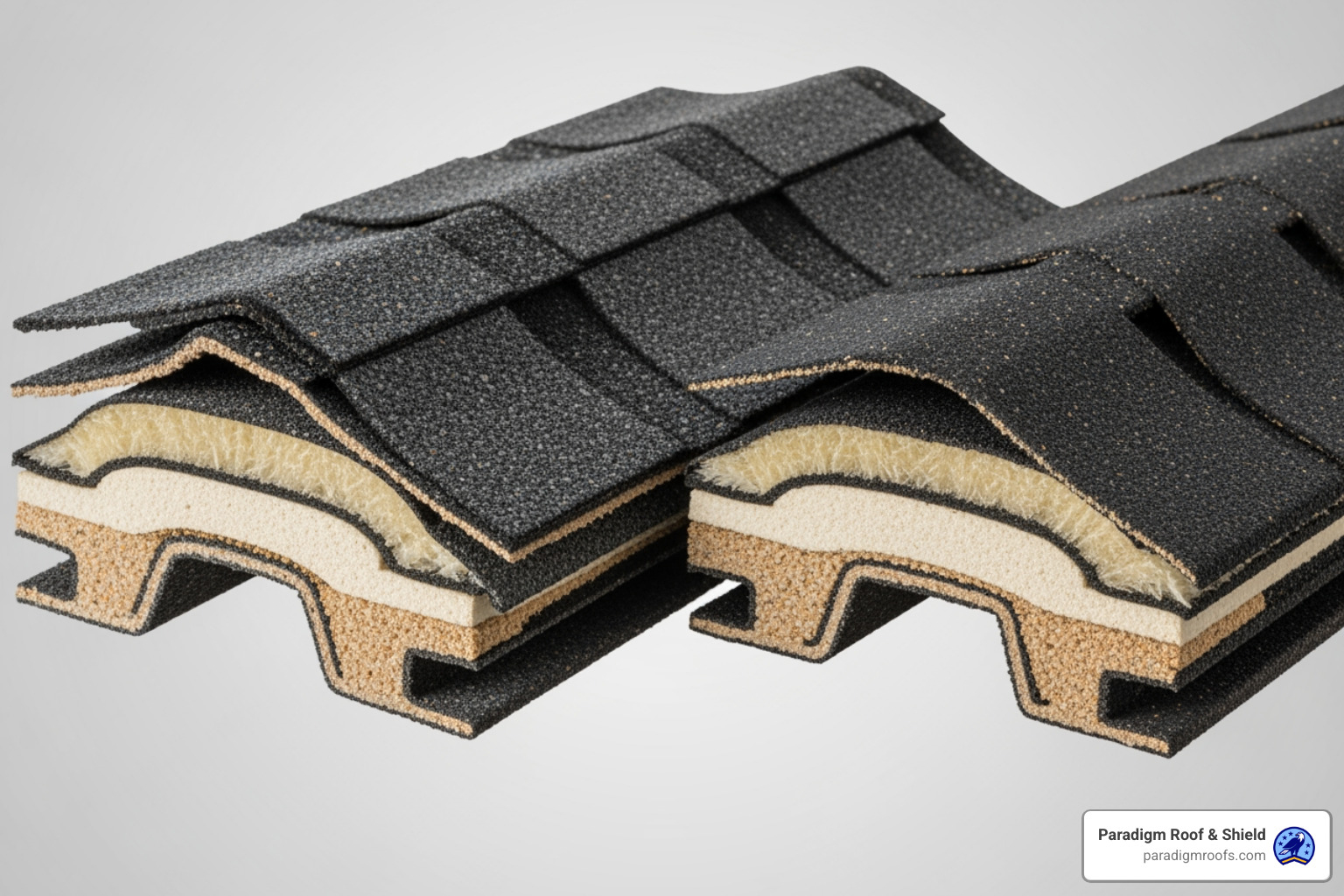
- Asphalt Shingles: These aren’t your grandma’s 3-tab shingles. 50 year roof material in asphalt form means thicker, multi-layered architectural or luxury shingles. They feature more asphalt, higher-quality granules, and a more complex, dimensional design for improved durability and curb appeal. The longer the shingle is rated to last, the better the quality of materials used in its manufacture.
- Metal Roofing: Standing seam or shingle-profile metal roofs, often made from steel or aluminum, are renowned for their longevity. They can easily last 40-70 years, offering excellent resistance to wind (withstanding 120+ mph gusts), fire, and hail. Metal roofs are also energy-efficient, reflecting solar heat and potentially reducing cooling costs by up to 25%.
- Synthetic Composites: Engineered to mimic the aesthetics of natural materials like slate or cedar shake, these products offer exceptional durability without the drawbacks of their natural counterparts. Brands like Brava Roof Tiles offer a 50-year transferable warranty, are often significantly lighter (up to 65% less than traditional materials), and are certified to withstand high levels of fire, wind, and hail. This means you get the classic look without the weight or maintenance.
- Clay & Slate Tiles: These traditional materials boast truly impressive lifespans, often lasting 50-100 years or even longer. Some types of slate have even proven to last 175 years or more! However, they are extremely heavy and expensive, often requiring reinforced roof structures to support their immense weight.
- Commercial-Grade Membranes (for flat/low-slope residential): While primarily seen on commercial buildings, materials like Sika Sarnafil’s thermoplastic PVC membranes and EPDM (Ethylene Propylene Diene Monomer) have proven to last for decades, with many installations exceeding 35-40 years. These materials are engineered for extreme durability and weather resistance, making them a consideration for residential properties with flat or low-sloped sections.
Key Construction Differences
What makes a 50 year roof material stand apart from a standard 20 or 30-year product? It comes down to fundamental differences in how they’re built:
- Material Thickness: This is arguably the most noticeable difference. A 50-year asphalt shingle is significantly thicker than a 30-year shingle. This added bulk translates directly to greater resistance against impact, wind uplift, and general wear.
- Multiple Asphalt Layers: Architectural and luxury shingles are typically multi-layered, providing a more robust barrier against the elements. This layering creates a stronger, more stable product.
- Granule Adhesion: The ceramic-coated granules embedded in asphalt shingles protect the asphalt from UV rays and add color. 50 year roof material shingles often use higher-quality granules and better adhesion methods to ensure these protective layers stay put longer, even against the harsh sun of Texas or the humid climate of Florida.
- Dimensional Appearance: Beyond durability, 50-year architectural shingles are designed to create a more dimensional, textured look, often mimicking the appearance of natural wood shakes or slate tiles. This improves curb appeal significantly.
- Weight Difference: Due to their increased thickness and material content, 50-year shingles are considerably heavier per square foot than standard shingles. This added weight contributes to their wind resistance and overall stability.
- Quality Standards: Many premium asphalt shingles adhere to strict industry standards like ASTM D3462, which specifies requirements for asphalt shingles made from glass felt and surfaced with mineral granules. This ensures a baseline of quality and performance. For a broader perspective on different roofing options and their characteristics, you can consult An overview of different roofing materials.
Factors That Determine a Roof’s True Lifespan
Even the highest quality 50 year roof material won’t reach its maximum potential without considering these critical external factors. The combination of materials, expert installation, and the environment you live in dictates how long your roof will truly last. It’s like having a championship race car—it needs a skilled driver, proper maintenance, and a well-designed track to win.
Installation Quality
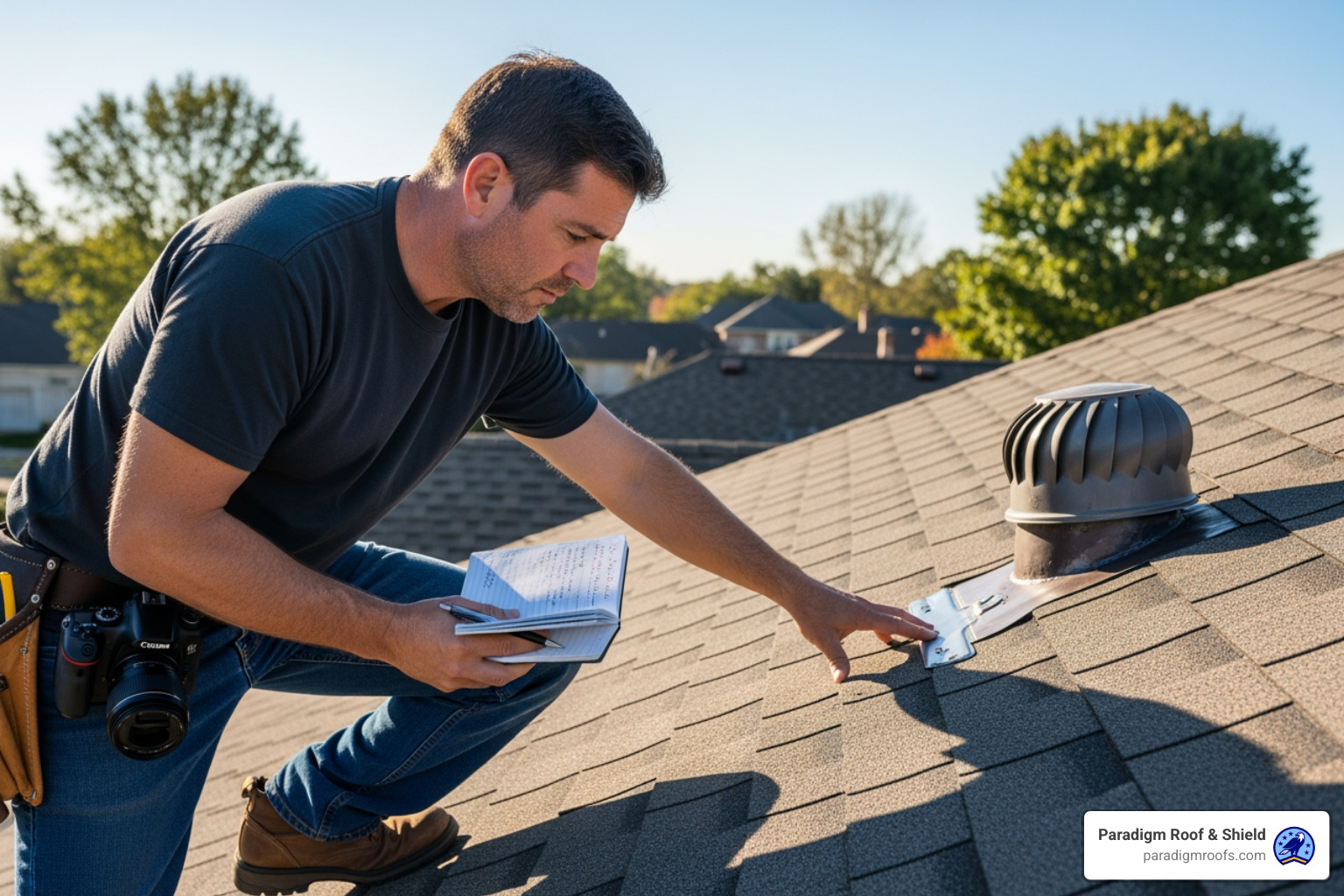
We cannot stress this enough: proper installation is the single most important factor in roof longevity. It doesn’t matter if you have the most expensive, highest-rated 50 year roof material on the market; if it’s installed incorrectly, it will fail prematurely, and your warranty will likely be voided.
Common installation mistakes that can drastically shorten a roof’s life include:
- Improper Nailing: Nails driven too deep, too shallow, or in the wrong location can lead to shingles blowing off, water infiltration, and premature granule loss.
- Inadequate Flashing: Flashing around chimneys, skylights, and valleys is crucial for preventing leaks. Poorly installed flashing is a common source of water damage.
- Poor Underlayment Application: The underlayment provides an extra layer of protection. If it’s not laid correctly, water can get underneath your shingles.
- Insufficient Ventilation: We’ll dive into this more, but improper attic ventilation can cook your roof from the inside out.
This is precisely why choosing a certified, experienced contractor like our veteran-led team at Paradigm Roof & Shield is non-negotiable. Our craftsmanship, innovation, and integrity ensure that your roof is installed to the highest standards, protecting your investment for decades.
Climate and Environment
Your local weather plays a huge role in how long any roof, even a 50 year roof material, will last. A roof in a mild climate will undoubtedly outlast one exposed to the relentless sun, hail, and humidity of our service areas in Texas and Florida.
Let’s look at some key environmental factors specific to our regions:
- UV Exposure: The intense sun in McKinney and Houston, TX, can accelerate the breakdown of asphalt shingles, causing granules to shed and the asphalt to dry out and become brittle. Reflective materials, like some metal or light-colored shingles, can help mitigate this.
- Temperature Fluctuations: Extreme swings from hot days to cooler nights cause roofing materials to expand and contract repeatedly, leading to stress, cracking, and curling over time.
- Hail: Parts of Texas, especially the DFW area, are no strangers to severe hailstorms. While 50 year roof material options like architectural shingles and metal roofs offer superior hail resistance (often Class 4 rated), repeated impacts can still take their toll.
- High Winds: From the coastal winds in Neptune Beach, FL, to the strong thunderstorms that sweep across Houston and McKinney, high winds can lift, tear, and even completely remove shingles if they’re not properly installed and sealed.
- Moisture and Humidity: The high humidity in areas like Houston and coastal Florida can promote algae, moss, and mildew growth, which can degrade roofing materials over time. Proper drainage and algae-resistant shingles are crucial here.
Understanding these regional challenges is key to selecting the right material and ensuring its longevity. To learn more about how to protect your home in the Lone Star State, read our guide on the best roofing for the DFW climate.
Maintenance and Ventilation
Even the toughest 50 year roof material needs a little love to reach its full potential. Regular maintenance is not just a suggestion; it’s a necessity.
- Routine Inspections: We recommend annual inspections, or after any major storm event, to catch small issues before they become expensive problems. Look for loose or missing shingles, damaged flashing, and debris accumulation.
- Cleaning: Keeping your roof free of leaves, branches, and other debris prevents moisture from getting trapped and degrading materials. Regular gutter cleaning is also critical to ensure proper water runoff.
- Prompt Repairs: Don’t let a single lifted shingle linger. Addressing minor damage quickly can prevent water intrusion and prolong the life of your entire roof system.
- Proper Attic Ventilation: This is a silent hero in roof longevity. Trapped heat and moisture in the attic can literally bake shingles from below, drastically shortening their life. It also contributes to higher energy bills. An efficient, well-installed roof can help reduce heating and cooling costs, saving you money every month. According to the U.S. Department of Energy, reflective roofing can lower roof surface temperatures by up to 50°F, significantly reducing cooling costs. You can explore more about energy-efficient roofing options from the U.S. Department of Energy.
Cost vs. Value: Is a 50-Year Roof a Good Investment?
A 50 year roof material system represents a significant upfront investment, but its long-term value proposition can make it a financially savvy choice for many homeowners. We often tell our clients, “You get what you pay for, and sometimes, you get more than you expect!”
The True Cost of a 50-year roof material
Let’s talk numbers. For an average 2,500 sq. ft. home:
- A standard architectural roof (often with a 30-year material warranty) might cost between $20,000 and $30,000 for materials and installation.
- A premium 50 year roof material system can range from $40,000 to $50,000 or more.
Yes, the initial price tag is higher, sometimes double that of a standard roof. However, this upfront cost is offset by avoiding the expense of a second roof replacement within the same 50-year period. Consider that a typical asphalt shingle roof lasts 20-25 years. If you live in your home for 50 years, you would replace that standard roof twice. The cost of two replacements, factoring in inflation and rising labor/material costs, could easily exceed the initial investment in a 50-year roof.
The Value Proposition
Beyond simply avoiding a second replacement, a 50 year roof material offers a compelling value proposition:
- Long-term Savings: Fewer repairs and no need for a second full replacement translate to significant savings over the decades.
- Increased Property Value: A high-quality, long-lasting roof is a major asset. It appeals to potential buyers, signaling a well-maintained home with reduced future expenses.
- Improved Curb Appeal: The dimensional look and premium finish of many 50-year materials (especially architectural shingles, metal, and synthetics) instantly boost your home’s aesthetic appeal.
- Potential Insurance Discounts: Many insurance providers offer discounts for roofs with superior wind, hail, and fire resistance, which are common features of 50 year roof material systems. Always check with your provider!
- Peace of Mind: Knowing your home is protected by a robust, durable roof that will likely outlast your stay in the home offers unparalleled peace of mind. You won’t be worrying about the next storm or the next big expense.
- Sustainability: Choosing a longer-lasting roof means less waste in landfills over time, making it an environmentally friendlier choice.
The decision often boils down to your long-term plans. If you’re building your “forever home” or plan to stay for many years, the investment in a 50 year roof material makes excellent financial sense. If you’re only planning to stay for a few years, a less expensive option might be more appropriate. If you’re weighing your options, our guide can help you decide: Should you repair or replace your roof?.
Improved Warranties
One of the most attractive aspects of investing in a 50 year roof material is the access to improved warranties that far surpass standard manufacturer offerings.
- Standard vs. Improved: While standard warranties typically cover manufacturing defects and are often prorated, improved warranties are a game-changer. These premium packages often cover both materials and the labor for installation for the full 50 years.
- Full Coverage: Some of the best improved warranties, like GAF’s System Plus, offer 100% full coverage for 50 years. This means if a defect occurs, the manufacturer covers the cost of both the replacement material and the labor to install it, not just a prorated amount for the material.
- Transferability: A key feature of these improved warranties is their transferability. For instance, GAF’s System Plus warranty allows you to transfer it between homeowners for up to 20 years. Similarly, Brava’s product warranty is transferable, meaning the protection doesn’t end if you sell your home—you can transfer it to the new owner. This can significantly increase the resale value and attractiveness of your property.
- Contractor Certification: To qualify for these top-tier warranties, you often need to work with a manufacturer-certified contractor. These contractors undergo specific training and meet stringent requirements, ensuring your roof is installed correctly to meet warranty specifications. This partnership between manufacturer and certified installer provides an extra layer of protection for your investment.
These improved warranties provide an best level of security and peace of mind, making the long-term investment in a 50 year roof material even more compelling.
Frequently Asked Questions about 50-Year Roofs
We hear a lot of questions about 50 year roof material, and for good reason! It’s a big decision. Let’s clear up some common misconceptions and provide straightforward answers.
Do 50-year shingles really last 50 years?
No, not typically. The “50-year” label refers to the manufacturer’s limited warranty period against manufacturing defects, not a guaranteed lifespan. While the materials are designed for exceptional durability, real-world conditions like the intense sun and hail in Texas or the humidity and coastal storms in Florida will impact longevity. With expert installation and regular maintenance, a more realistic lifespan for a 50 year roof material is 25 to 40 years. This is still a fantastic return on investment and often twice the life of standard asphalt shingles.
Are 50-year shingles worth the extra cost?
For many homeowners, absolutely! The investment is often worth it, especially if you plan to stay in your home long-term. You gain superior durability, improved aesthetic appeal, and the peace of mind that comes with a robust, often transferable, warranty. This can significantly increase your home’s resale value and save you the cost and hassle of a second roof replacement down the line. If you view your home as a “forever home,” the long-term benefits typically outweigh the higher upfront cost.
What are the signs a 50-year roof is failing?
Even the most durable 50 year roof material will eventually show signs of wear. While these roofs are built to last, signs of aging typically appear after 20-30 years in challenging climates. Keep an eye out for:
- Widespread Granule Loss: If you notice a significant amount of shingle granules accumulating in your gutters, it means the protective top layer of your shingles is wearing away, exposing the asphalt to harmful UV rays.
- Curling, Cracking, or Blistering Shingles: These are clear indicators that your shingles are losing their flexibility and integrity, often due to heat, UV exposure, and age.
- Dark Streaks from Algae: While often cosmetic, heavy algae growth can retain moisture and accelerate degradation, especially in humid climates like Houston or Neptune Beach.
- Missing Shingles: Strong winds can loosen and remove shingles, especially if their seals have deteriorated.
- Leaks or Water Stains: Any signs of water intrusion in your attic or on your ceilings mean the roof system’s protective barrier has been breached.
- Sagging Roofline: A dip or sag in your roof could indicate structural issues, often caused by prolonged water damage.
If you observe any of these signs, it’s wise to budget for replacement and contact a professional for an inspection.
Your Home, Your Decision
Choosing a 50 year roof material is a significant investment in your home’s future. It offers unparalleled durability, aesthetic appeal, and long-term value, but it’s crucial to understand that the “50-year” label is a starting point, not a finish line. The actual performance of your roof hinges on expert installation, proper maintenance, and the specific climate you live in. By partnering with a trusted, certified roofing contractor, you ensure that your investment is protected by both a strong warranty and the quality craftsmanship needed to make it last.
At Paradigm Roof & Shield, our veteran-led team is committed to technical excellence and integrity on every project. If you’re considering a long-term roofing solution for your home in McKinney, Houston, or Neptune Beach, we can help you steer through the options and make the best choice for your property.
Explore our high-quality shingle roofing systems or contact us for a comprehensive consultation.