

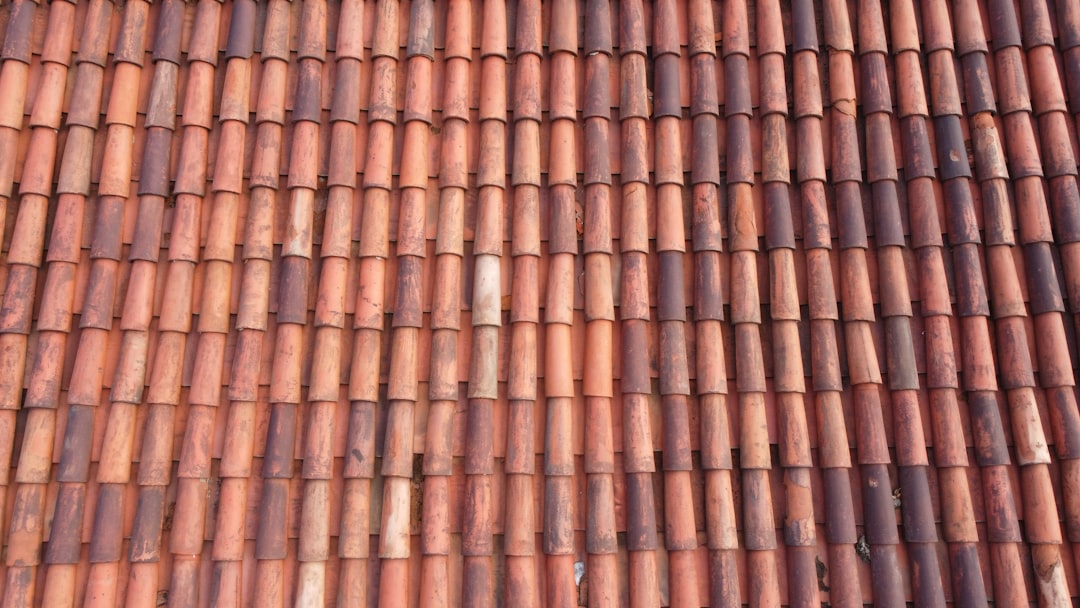
Why Barrel Tiles Are the Roofing Choice of Centuries
Barrel tile roofs have stood as symbols of architectural beauty and enduring strength for over a millennium. These distinctive semi-cylindrical tiles create the wave-like patterns seen on Mediterranean villas, Spanish Colonial estates, and historic buildings across the world. Understanding barrel tiles means recognizing their unique combination of timeless aesthetics, exceptional durability, and proven performance across diverse climates.
What You Need to Know About Barrel Tiles:
- Definition: Semi-cylindrical roofing tiles laid in overlapping rows, consisting of concave “pan” tiles and convex “cover” tiles
- Common Types: Spanish “S” Tile (one-piece), Mission Tile (two-piece), Scandia, Roman, and modern interlocking profiles
- Materials: Clay (100+ years lifespan), Concrete (30-50 years), Metal (50+ years), Composite/Synthetic (50-year warranty)
- Weight Range: 280-1,250 lbs per square (100 sq. ft.), depending on material
- Key Benefits: Exceptional durability, superior fire resistance, excellent energy efficiency, increased property value
- Installation: Requires specialized expertise and potentially structural reinforcement for heavier materials
- Best For: Mediterranean, Spanish, Italian, French Provincial, and Southwestern architectural styles
For homeowners seeking expert tile roofing solutions, choosing the right barrel tile system requires understanding how material, weight, climate, and architectural style work together. This guide breaks down everything from historical origins to modern composite innovations, helping you make an informed decision about this premium roofing investment.
As Greg Hiltz, CEO of Paradigm Roof & Shield, I’ve guided countless homeowners through the complexities of selecting and installing barrel tile roofing systems across Texas, from traditional clay installations to cutting-edge composite solutions. With my background in construction operations and commitment to technical excellence, I’ve seen how the right barrel tile roof transforms both the protection and the character of a home.
What Are Barrel Tiles? A Journey Through History and Style

The term “barrel tile” refers to semi-cylindrical roofing tiles laid in an interlocking pattern that creates distinctive, wave-like ripples across the roof. Their design is not just for aesthetics; it creates an efficient system for shedding water. These tiles have a rich history, with origins dating back to the Neolithic period in China and the Middle East. They were later adopted and refined in the Roman Empire, spreading throughout Southern Europe during the Middle Ages. European settlers introduced distinct types of clay roofing tile to the East Coast of the US in the 1600s, and they remain particularly popular in regions like Texas and Florida due to their ability to withstand warm, often humid, and sometimes harsh climates.
The Original “Monk and Nun” Barrel Tile
The earliest form of barrel tile, known as “Monk and Nun,” used two separate pieces: a concave “nun” or pan tile to form a channel for water, and a convex “monk” or cover tile placed over the joints. This ingenious two-piece system allowed for effective water runoff and provided natural ventilation. Historically, these tiles were often made by hand, shaped by molding wet clay over a log or even the maker’s thigh – hence the name “barrel” tile! While this method is incredibly authentic and adds a rustic charm, it is also quite labor-intensive and heavier than modern alternatives.
Modern Barrel Tile Profiles
Over centuries, barrel tile designs evolved, streamlining installation while preserving that classic aesthetic. Today, we typically see a few main types, each with its own unique appeal:
- Spanish “S” Tile: This is a popular, one-piece barrel design known for its rippled pattern. The “S” shape combines the convex and concave elements into a single unit, making it simpler to install than the traditional two-piece system. Spanish “S” tiles are prized for their simple, one-piece barrel design which provides a pattern of distinctive ripples across a roof, enhancing virtually any architectural style. They are often synonymous with clay roof tile and are known for their distinct, warm colors and unique profiles that evoke a sense of history and elegance.
- Mission Tile: These high-profile tiles faithfully match authentic Italian, French, Spanish, and Southwestern Mission architectural styles. Mission tiles often retain a two-piece look, though modern versions may be interlocking. Their high profile creates dynamic shadows that change with the sun’s movement, adding a dramatic visual effect to the roofline. Mission tiles can be laid in straight or staggered rows and even mortar-boosted for an especially rustic look.
- Roman Interlocking Tiles: A modernized version of the ancient Roman profile, these tiles feature interlocking convex covers and a flat pan surface. They are designed with interlocks on the top and sides, creating a near-watertight connection even at lower roof pitches. This innovation makes them more economical and easier to install than the original two-piece systems.
These modern variations make barrel tiles a versatile choice, offering the timeless beauty of the past with the efficiency and performance demanded by today’s homeowners in places like Houston, McKinney, and Neptune Beach.
From Clay to Composite: A Guide to Barrel Tile Materials
The material you choose for your barrel tile roof will significantly impact its performance, weight, and cost. When considering a barrel tile roof for your home in Texas or Florida, factors like local climate, budget, and your home’s structural requirements are paramount. Let’s look at the most common types:
- Classic Clay: The traditional choice, clay barrel tiles offer a timeless aesthetic and incredible durability. They are rot-proof, non-combustible, and provide excellent fire resistance. Clay tiles are known for their superb thermal properties, maximizing natural insulation and contributing to energy efficiency. With proper installation and maintenance, clay tiles can last 100 years or more, making them a true generational investment. Verea tiles, for example, boast Grade 1 quality and excellent color permanence. However, traditional clay tiles are heavy, often weighing between 800-1250 lbs per square, which may necessitate structural reinforcement for your roof. They can also be fragile, prone to breakage if walked on improperly.
- Durable Concrete: Concrete barrel tiles offer an aesthetic similar to clay at a more affordable price point. They are durable, all-weather compatible, and frost-resistant. Many concrete tiles, like Eagle’s Capistrano or Malibu, are designed to mimic the look of clay barrel tiles. While concrete tiles typically have a lifespan of 30-50 years, they share the heavyweight characteristic of clay, with some weighing over 900 lbs per square. This means a structural assessment is crucial. Concrete tiles can also be susceptible to color fading over time due to UV exposure.
- Lightweight Metal: Metal barrel tiles combine the historical aesthetic of clay with the robust durability of steel. These systems, often made from 26-gauge galvanized steel, are significantly lighter than clay or concrete tiles, often negating the need for additional structural support. Metal barrel tile roofing has an expected product lifespan of 50+ years and offers impressive performance characteristics: a Class 4 hail rating and a 130 mph wind rating, protecting homes from hail, strong wind, and heavy rain. Many metal barrel tile systems also feature advanced coatings and reflective technology, like Tri-Pigment Reflective Technology®, which can reflect over 70% of solar heat, making them energy-efficient and Cool Roof Certified. This is a huge advantage in the hot climates of Texas and Florida.
- Advanced Composite & Synthetic Barrel Tile: These represent the cutting edge in barrel tile technology. Made from 100% recycled and recyclable materials, composite tiles offer the warmth and beauty of traditional clay with the benefits of a lightweight synthetic material. Composite tiles are a lightweight champion, significantly reducing installation labor and eliminating the need for costly structural support required by heavier materials. They boast a Class 4 impact rating (the highest in the industry) and can withstand wind speeds of up to 211 MPH with proper installation. Brava’s synthetic Spanish Barrel Tile, for example, offers a 50-year transferable warranty and virtually no breakage during shipping or installation, a common issue with clay. This material dramatically reduces roof maintenance and is an excellent eco-friendly option. For those considering the benefits of modern alternatives, we have more insights in our article, Three Reasons to Consider Synthetic Roof Tiles.
When comparing the performance of metal barrel tile to traditional clay or composite, metal and composite often offer superior durability against impact and wind, combined with lighter weight and improved energy efficiency. While clay excels in natural insulation and longevity, its weight and fragility can be significant considerations. Modern options provide a compelling balance of aesthetics, performance, and practicality.
Weighing Your Options: The Pros and Cons of Barrel Tile Roofing
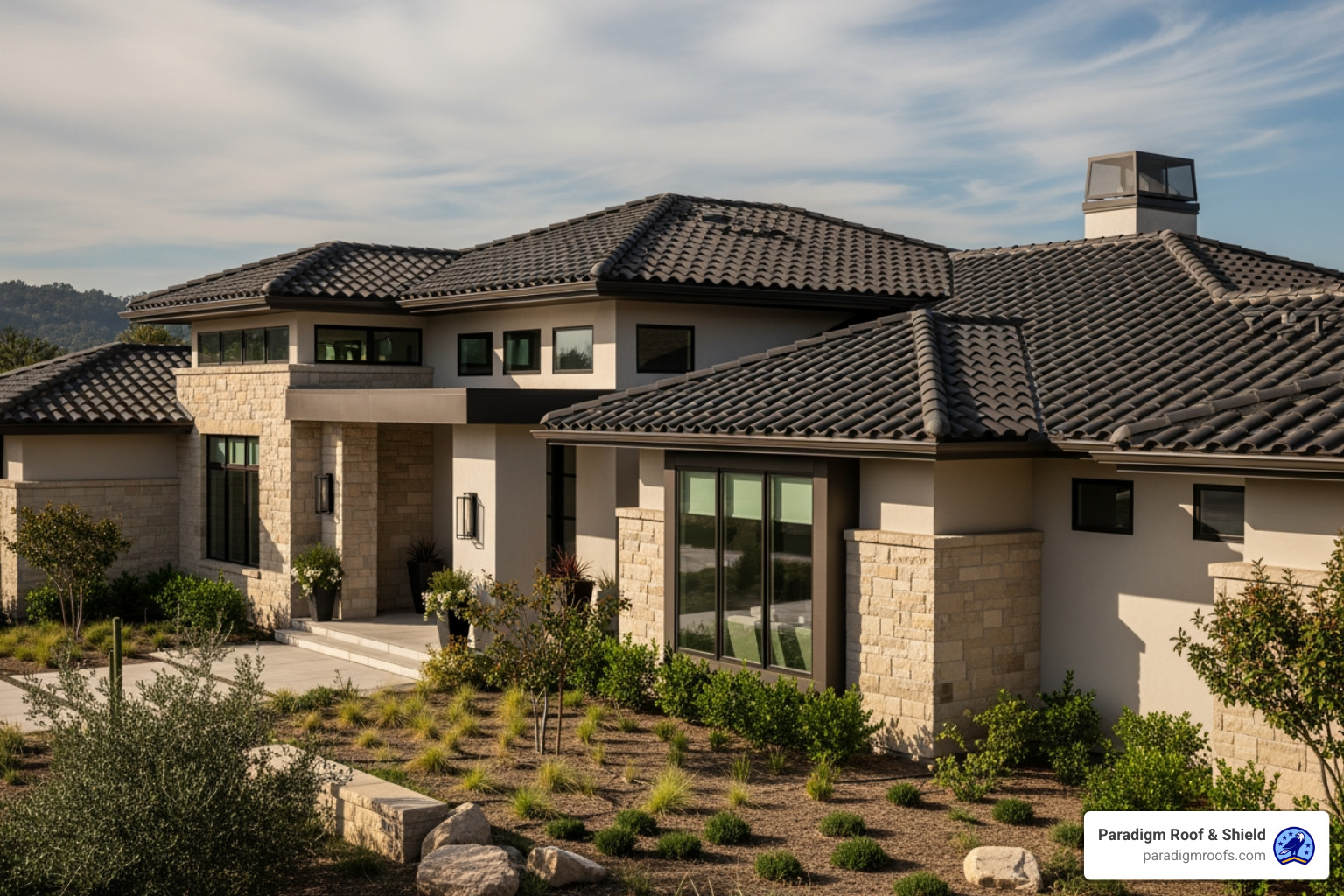
A barrel tile roof is a significant investment that offers unparalleled benefits but also comes with important considerations. It’s about finding the right balance for your home and lifestyle.
Advantages: Why Homeowners Love Barrel Tiles
- Exceptional Durability and Longevity: Barrel tiles are renowned for their incredible lifespan. Traditional clay tiles can last 100 years or more, outperforming almost any other roofing material. Even concrete and modern composite options boast lifespans of 50 years or more. This means your roof could outlast you, your children, and even your grandchildren!
- Timeless Aesthetics: There’s simply no denying the curb appeal of a barrel tile roof. Its distinctive wave pattern and rich, earthy tones instantly lift a property, adding character and charm that is best. Just look at the stunning results of our Canyon Lake Spanish Tile Job for a prime example.
- Superior Insulation and Energy Efficiency: Clay barrel tiles naturally maximize thermal properties, helping to regulate indoor temperatures. This can lead to significant energy savings, especially in the scorching Texas summers or humid Florida climate. Many modern metal and composite tiles also incorporate reflective technologies that further reduce heat absorption.
- Extreme Weather Resistance: Barrel tiles are built to withstand the elements. Clay and concrete tiles provide excellent fire resistance, with many composite and metal options achieving a Class A fire rating (the highest possible). Many barrel tile systems also offer impressive wind resistance (up to 211 MPH for some composites) and impact ratings (Class 4 for many metal and composite products), crucial for hurricane-prone areas in Florida and storm-prone regions of Texas.
- Increased Property Value: Due to their durability, aesthetic appeal, and long lifespan, barrel tile roofs are a premium feature that significantly increases a home’s market value. It’s an investment that truly pays dividends.
Disadvantages: What to Consider Before Installing
- Higher Initial Cost: Barrel tile roofs generally have a higher upfront cost compared to asphalt shingles or other less durable materials. This is due to the cost of the materials themselves and the specialized installation required.
- Significant Weight: Traditional clay and concrete barrel tiles are heavy, often weighing between 900 to 1,250 pounds per square (100 sq. ft.). This substantial weight requires a robust roof structure, and older homes may need a structural engineer to assess and potentially reinforce the framing before installation. While composite and metal options are much lighter (some composite tiles weigh under 300 lbs/square), it’s still a factor to consider.
- Installation Complexity: Installing barrel tiles is an art and a science. It requires specialized knowledge and experienced installers. The meticulous process of laying tiles, ensuring proper overlap, and integrating flashing and accessories means it’s not a DIY project. Our veteran-led team at Paradigm Roof & Shield prides itself on the technical excellence required for such installations.
- Maintenance Considerations: While often described as “low maintenance,” barrel tile roofs do require periodic attention. Clay tiles can be fragile and prone to breakage if walked on improperly, necessitating careful access for inspections or repairs. Regular inspections for damaged tiles, cleaning to prevent moss and algae growth (especially in humid Florida), and resealing for some concrete/synthetic tiles are important to maintain their longevity and appearance.
Designing Your Dream Roof: Styles, Colors, and Performance
A barrel tile roof is a defining architectural feature that can be customized to perfectly match your home’s style and your region’s climate demands. It’s where aesthetics meet performance.
Architectural Styles and Applications
Barrel tiles are intrinsically linked to a variety of classic architectural styles, making them a natural choice for homes designed to evoke a particular regional flair.
- Spanish Colonial: The quintessential barrel tile application, often featuring deep red or rustic terracotta hues.
- Mediterranean: From Italian villas to French Provincial estates, barrel tiles perfectly capture the sun-drenched romance of the Mediterranean.
- Southwestern Mission: From historical influences from Spanish missions, these homes often feature natural, earthy tones and the robust profile of Mission tiles.
Beyond residential homes, barrel tiles are also common for commercial tile roofing applications, including:
- Hotels and Resorts: Providing a luxurious and classic aesthetic that improves guest experience.
- Retail Centers: Offering a distinctive look that stands out in a commercial landscape.
- Multi-family Housing: Elevating the curb appeal and value of apartment complexes and townhomes.
- Churches and Public Buildings: Honoring traditional architectural styles with enduring materials.
Colors, Blends, and Accessories
The beauty of barrel tile lies not just in its shape but also in its vast array of color and blend options. While classic terracotta remains a perennial favorite, modern manufacturing offers much more:
- Color Options: From vibrant reds and oranges to subdued earth tones like brown, mocha, graphite, and even cool grays and whites, there’s a palette to suit every taste. Many manufacturers offer a wide range of standard colors, and some even provide custom color manufacturing to perfectly match your home’s exterior.
- Custom Blends: To achieve a unique or aged appearance, tiles can be blended on-site or pre-blended by the manufacturer. This creates a harmonious mix of shades, avoiding a monolithic look and adding depth and character. For instance, Brava offers multi-colored blends like “Aged Mission” that flow across the roof, creating an exquisite roofline.
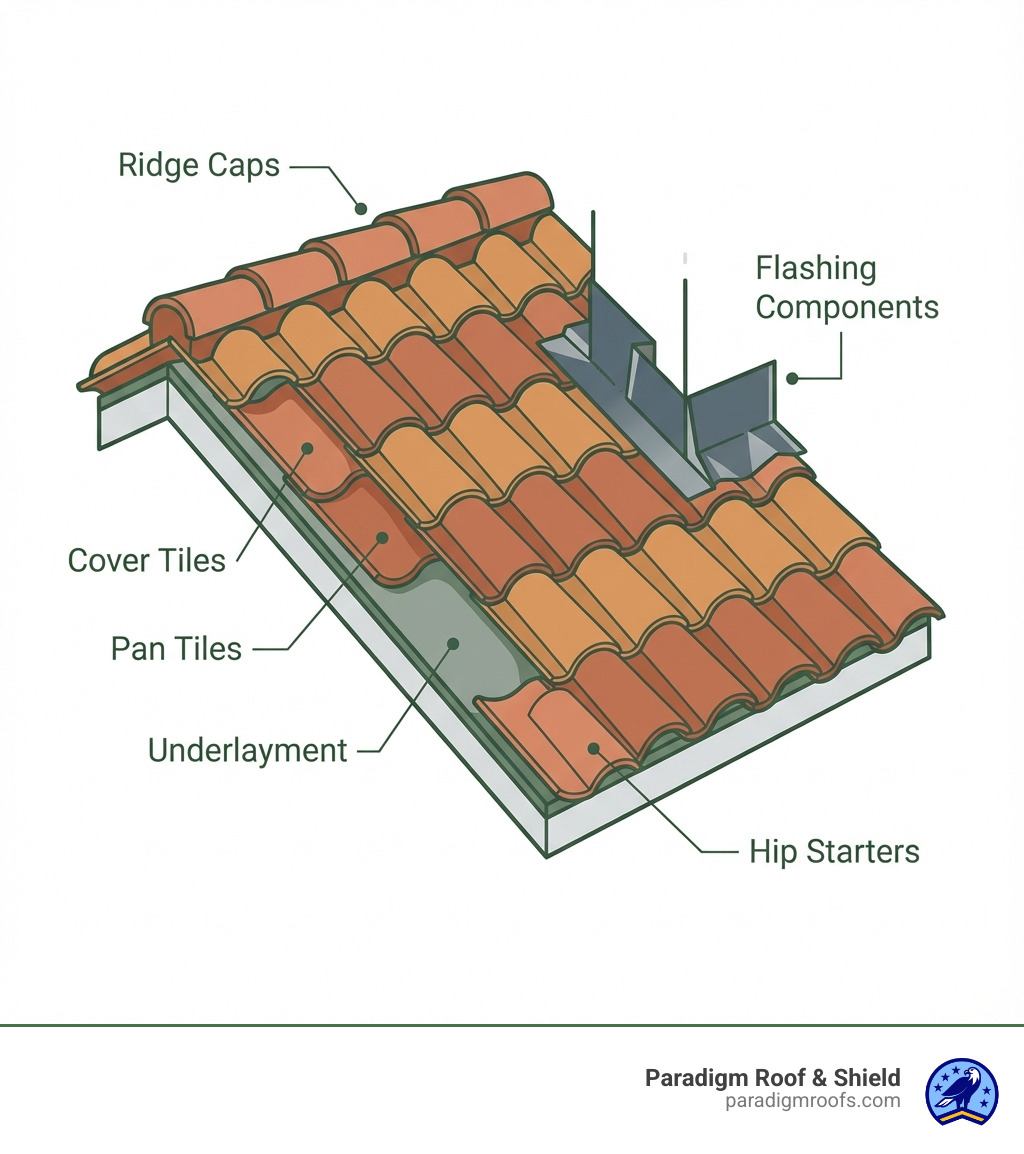
- Roofing Accessories: A complete barrel tile roofing system includes essential accessories that ensure both functionality and aesthetic continuity. These include:
- Eave Starters: Provide a finished edge at the eave line and proper cant for the first course of tiles.
- Ridge Closures and Caps: Finish the top of the roof, covering the ridge line and protecting against water intrusion.
- Hip and Rake Trim: Specialized tiles for the angled edges of hips and gables, ensuring a clean, weatherproof finish.
- Vented Ridges: Essential for proper attic ventilation, especially in the hot Texas and Florida climates, allowing heat and moisture to escape.
- Hip Starters and Terminals: Decorative and functional pieces for the beginning and end of hip and ridge lines.
Modern Performance and Lifespan
Modern barrel tile roofing systems offer an impressive combination of traditional beauty and cutting-edge performance.
- Lifespan: As mentioned, traditional clay tiles can last 100 years or more. Modern metal and composite tiles are designed for 50+ years of performance, guaranteeing a long-term investment.
- Warranty: It’s common to see 50-year transferable warranties for high-quality composite and metal barrel tiles, and even 75-year material warranties for premium clay tiles. This provides homeowners with significant peace of mind.
- Impact Resistance: Many modern barrel tiles, particularly composite and metal, boast a Class 4 impact rating. This is the highest rating in the industry, meaning they can withstand severe hail, a critical consideration for homes in areas like McKinney, Houston, and Neptune Beach.
- Wind Resistance: Engineered for resilience, many barrel tile systems can withstand wind speeds ranging from 130 MPH to over 200 MPH with appropriate installation, crucial for hurricane zones. For example, some composite tiles can handle up to 211 MPH with high-wind screw installation.
- Freeze-Thaw Cycle Resistance: High-quality clay and composite tiles are designed to resist damage from repeat freeze-thaw cycles, ensuring their integrity in fluctuating temperatures.
- Energy Efficiency: Beyond natural insulation, modern barrel tiles often feature reflective coatings that reduce solar heat gain, contributing to energy savings.
Choosing a barrel tile roof involves considering your climate, budget, and desired style. With the wide range of materials, colors, and performance features available today, you can truly design a roof that is both a masterpiece and a fortress.
Frequently Asked Questions about Barrel Tile Roofs
How long do barrel tiles last?
The lifespan of a barrel tile roof depends heavily on the material. Traditional clay tiles are champions of longevity and can last 100 years or more, making them a generational investment that often outlives the home’s original owners. Concrete tiles typically offer a robust lifespan of 30-50 years. Meanwhile, high-quality metal and advanced composite barrel tiles come with impressive 50-year transferable warranties and expected lifespans of 50+ years, providing modern durability with classic aesthetics.
Are barrel tile roofs too heavy for my house?
Weight is a critical factor when considering barrel tile roofing. Traditional concrete and clay tiles are indeed very heavy, often weighing between 900 to 1,250 pounds per square (100 sq. ft.). This substantial load may require a structural engineer to assess your home’s framing and potentially recommend reinforcement, especially for older homes in Houston, McKinney, or Neptune Beach. In contrast, modern composite barrel tiles are significantly lighter, with some weighing under 300 pounds per square, making them a viable option for homes that cannot support the immense weight of traditional clay or concrete without costly structural upgrades.
Are barrel tiles worth the cost?
While barrel tiles often have a higher upfront cost than materials like asphalt shingles, their long-term value is exceptional. Their incredible durability, extended lifespan (50-100+ years), superior energy efficiency, and formidable resistance to fire and severe weather mean you will spend far less on repairs and replacements over the life of your home. This makes them a wise and cost-effective investment in the long run, enhancing your home’s protection, curb appeal, and resale value for decades. It’s an investment in enduring beauty and peace of mind.
Conclusion: Crowning Your Home with Timeless Elegance
Barrel tiles offer a powerful combination of breathtaking beauty, formidable strength, and incredible longevity. Whether you are drawn to the classic charm of clay or the modern performance of advanced composites, a barrel tile roof is an investment that protects your home and improves its value for decades to come. From the historical elegance of Spanish “S” tiles to the dramatic shadows of Mission profiles, these roofs transform a house into a home with character and resilience. For homeowners ready to explore the highest standards of craftsmanship and innovation in roofing, the expert, veteran-led team at Paradigm Roof & Shield provides unparalleled technical excellence across Texas and Florida. To learn more about the most advanced options available, explore our guide to Brava Roof Tiles or contact us today for a consultation at (904) 444-5555.