

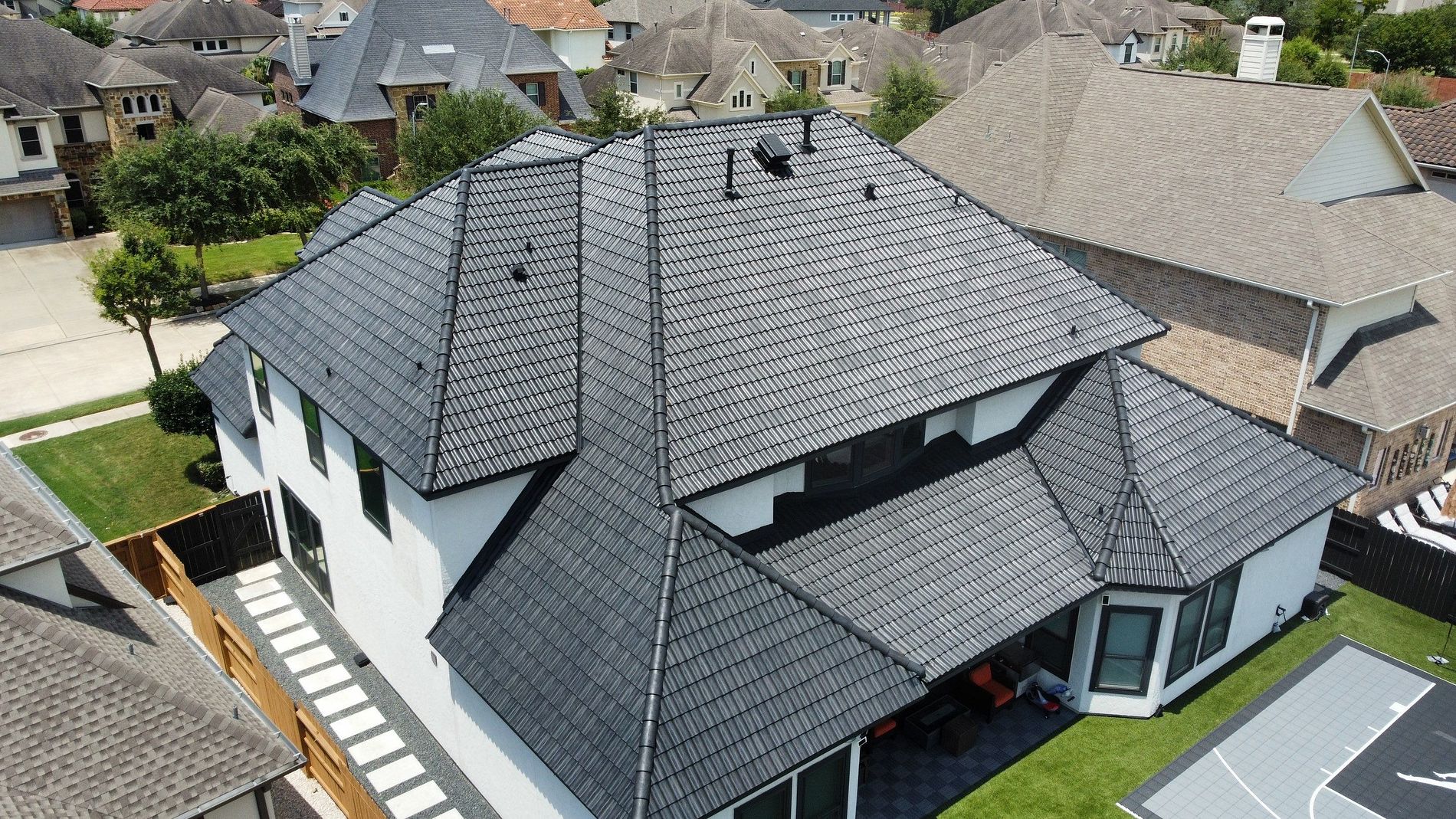
Why Finding the Right Roofer Matters More Than You Think
Choosing the best roofers in Houston directly affects your home’s lifespan, energy efficiency, and resale value. Houston experiences an average of 204 sunny days and multiple severe-weather events each year, so your roof must withstand extreme UV exposure, wind, and heavy rain. Homeowners who work with top-tier, credentialed roofers typically see 15–25% fewer warranty claims and emergency repairs over the life of their roof. When you start your search, compare every candidate to a trusted Houston roofing contractor that specializes in long-lasting, code-compliant systems.
With over 4,300 roofing contractors operating in the Houston area, the challenge isn’t finding a roofer—it’s choosing a partner who delivers quality workmanship, transparent pricing, and stands behind their work.
Top-rated Houston roofers typically share these key qualities:
- Proven track record: Consistent 4.5+ star ratings across Google, Angi, and the Better Business Bureau
- Manufacturer certifications: GAF Master Elite or Owens Corning Platinum Preferred status
- Comprehensive coverage: Licensed, bonded, and fully insured with both general liability and workers’ compensation
- Strong warranties: 7-10 year workmanship warranties plus manufacturer material warranties
- Local presence: Physical office location and years of service in the Houston community
- Transparent pricing: Detailed written estimates with clear project timelines
Houston’s unique climate creates specific challenges for your roof. The intense sun, high humidity, and hurricane season combine to place extraordinary stress on roofing materials. The average asphalt shingle roof lasts approximately 20 years, but that lifespan can be cut short by storm damage, poor installation, or deferred maintenance.
Let’s be clear—anyone can call themselves a roofer, but not everyone has the credentials, experience, or integrity to protect your home properly. A bad contractor can cost you thousands in future repairs, void your warranties, or leave you exposed when the next storm rolls through. That’s why this guide cuts through the noise to help you identify contractors who deliver real value.
The stakes are high. Your roof represents a significant investment—the average roof replacement in Houston costs $12,000, with prices ranging from $6,500 to $35,000 depending on your home’s size, complexity, and material choice. You need a partner who will guide you through this process with honesty, complete the work on schedule, and ensure your home stays protected for decades.
As Greg Hiltz, CEO and co-owner of Paradigm Roof & Shield, I’ve guided hundreds of Houston homeowners through the roofing decision process, and I understand the frustration of finding trustworthy contractors. Having worked in residential construction and roofing leadership roles across Texas, including extensive experience with Houston TX Roofing Services, I know what separates exceptional roofers from mediocre ones—and this guide will show you exactly what to look for when choosing the best roofers in Houston.
What Makes a Roofer “The Best”? Non‑Negotiable Credentials in Houston
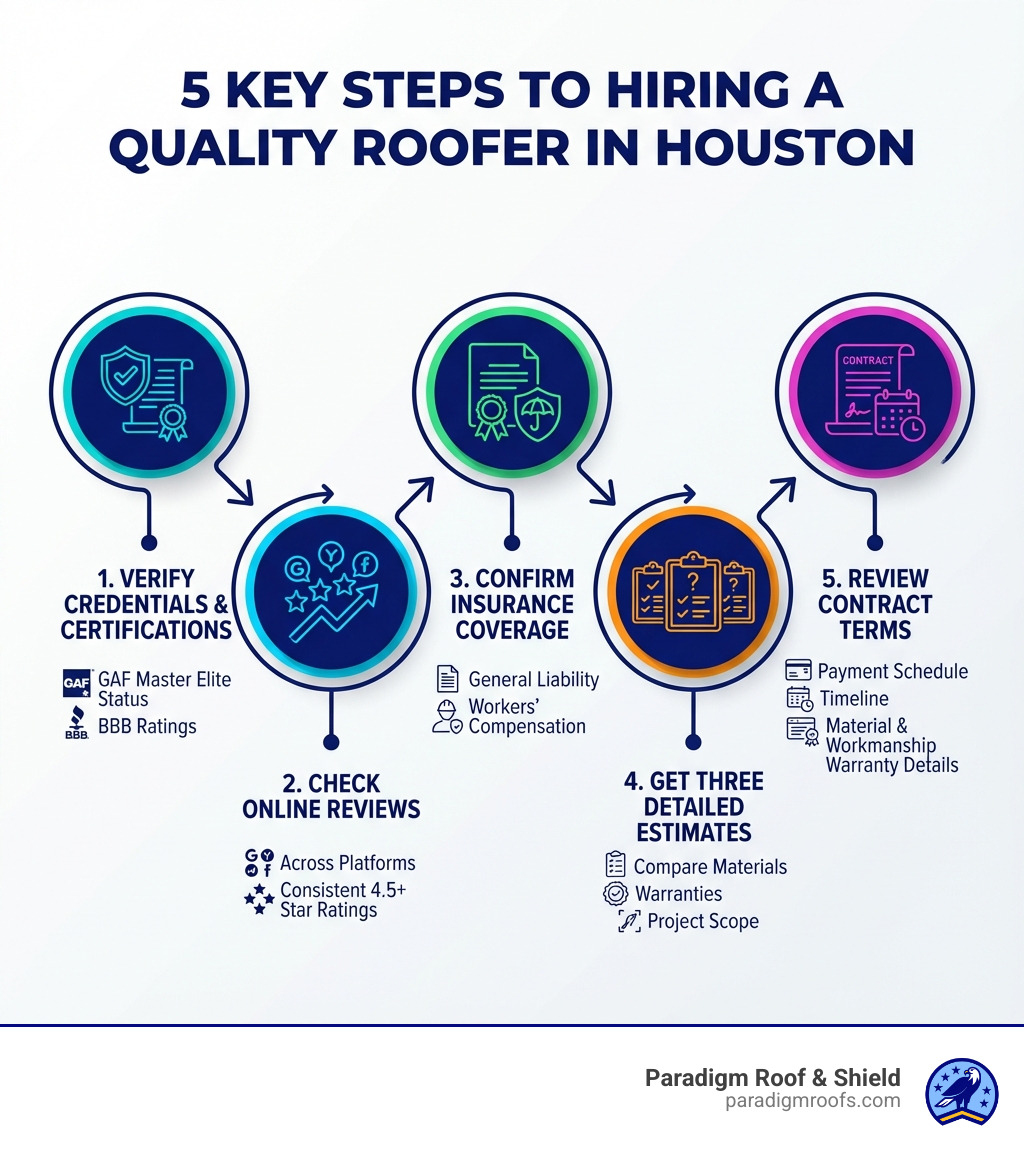
A top-tier roofer is defined by proven credentials, not just promises. When we talk about finding the best roofers in Houston, we’re looking for companies that don’t just talk a good game, but have the track record to back it up. In metropolitan housing markets like Houston, roofing companies with robust credentials and verified reviews reduce the likelihood of premature roof failure by an estimated 20–30% compared with minimally vetted contractors. This means looking beyond flashy advertisements and focusing on concrete evidence of quality and reliability. Prioritize contractors who consistently earn a 4.5+ star rating across multiple online platforms, demonstrating widespread customer satisfaction.
How to Vet the Best Roofers in Houston
Reputation isn’t optional—it’s everything. Start by checking online reviews on platforms like Google, Angi, and Yelp. Look for a high volume of recent, verified reviews and pay attention to how the company responds to feedback. As a baseline, roofing companies in Houston average a 4.4 rating on Angi across more than 1,300 verified reviews; firms significantly outperforming that mark typically indicate superior service.
Next, ask for local references. A top contractor earns referrals from neighbors and community members because their work holds up. Verify their physical address; a real office signals an established, accountable business. Longevity matters—roofers with 20+ years serving Houston tend to understand local building codes, wind-uplift requirements, and storm patterns better than newcomers.
Finally, and crucially, check their standing with the Better Business Bureau. The BBB assigns ratings from A+ (highest) to F (lowest) based on factors like complaint history, transparency, and licensing. An A+ rating is a strong indicator of a company’s commitment to ethical business practices and customer satisfaction.
Understanding Certifications and Warranties
Manufacturer certifications are a mark of excellence in the roofing industry. These signify that a contractor has met rigorous standards set by leading roofing material manufacturers. For example, GAF Master Elite contractors can offer improved warranties, including the Golden Pledge Limited Warranty. Only about 2% of roofers nationwide achieve GAF Master Elite status, reflecting elite training and reliability. Similarly, Owens Corning Platinum Preferred contractors offer top-tier warranties and have demonstrated exceptional skill and service.
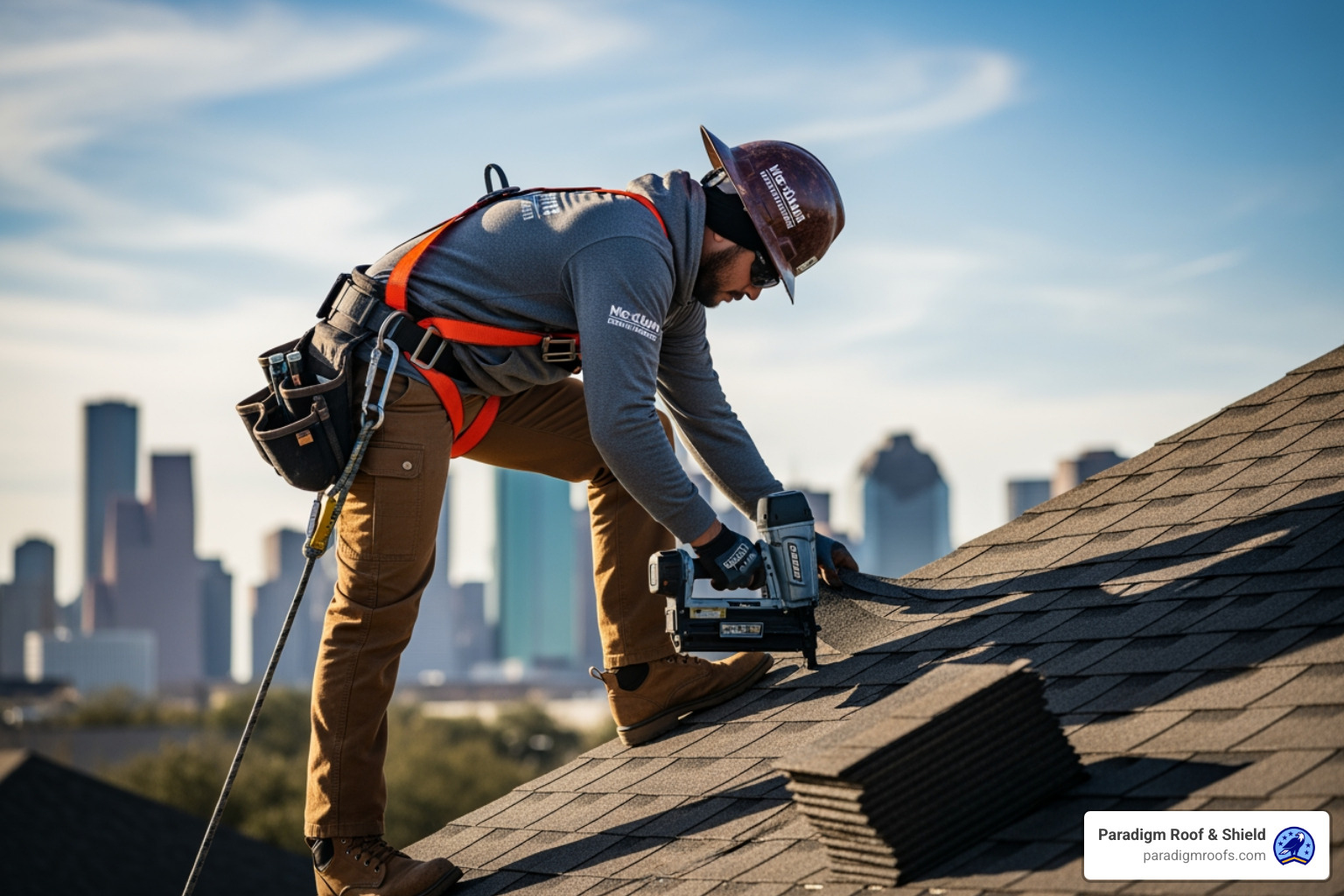
When evaluating the best roofers in Houston, look for these top-tier certifications. They indicate ongoing training, consistent use of high-quality materials, and adherence to industry-best installation practices—standards that translate directly to a more durable, reliable roof for your home.
Differentiate between a material warranty and a workmanship warranty. Material warranties, typically provided by the manufacturer, cover defects in the roofing products. Workmanship warranties, provided by the contractor, cover installation errors. You need both. For details on what improved protections include, review this overview of GAF enhanced warranties.
Decoding the Dollars: What Houston Roofs Really Cost in 2025
Let’s talk numbers. The average cost of a roof replacement in Houston is approximately $12,000, with typical projects ranging from $6,500 to over $35,000 depending on size, pitch, and material. In major Texas metros, roofing accounts for 25–35% of a full exterior renovation budget, making it one of the highest‑impact upgrades you can make. Homeowners who plan with accurate cost ranges and detailed estimates are significantly less likely to face mid‑project change orders or budget overruns from the best roofers in Houston.
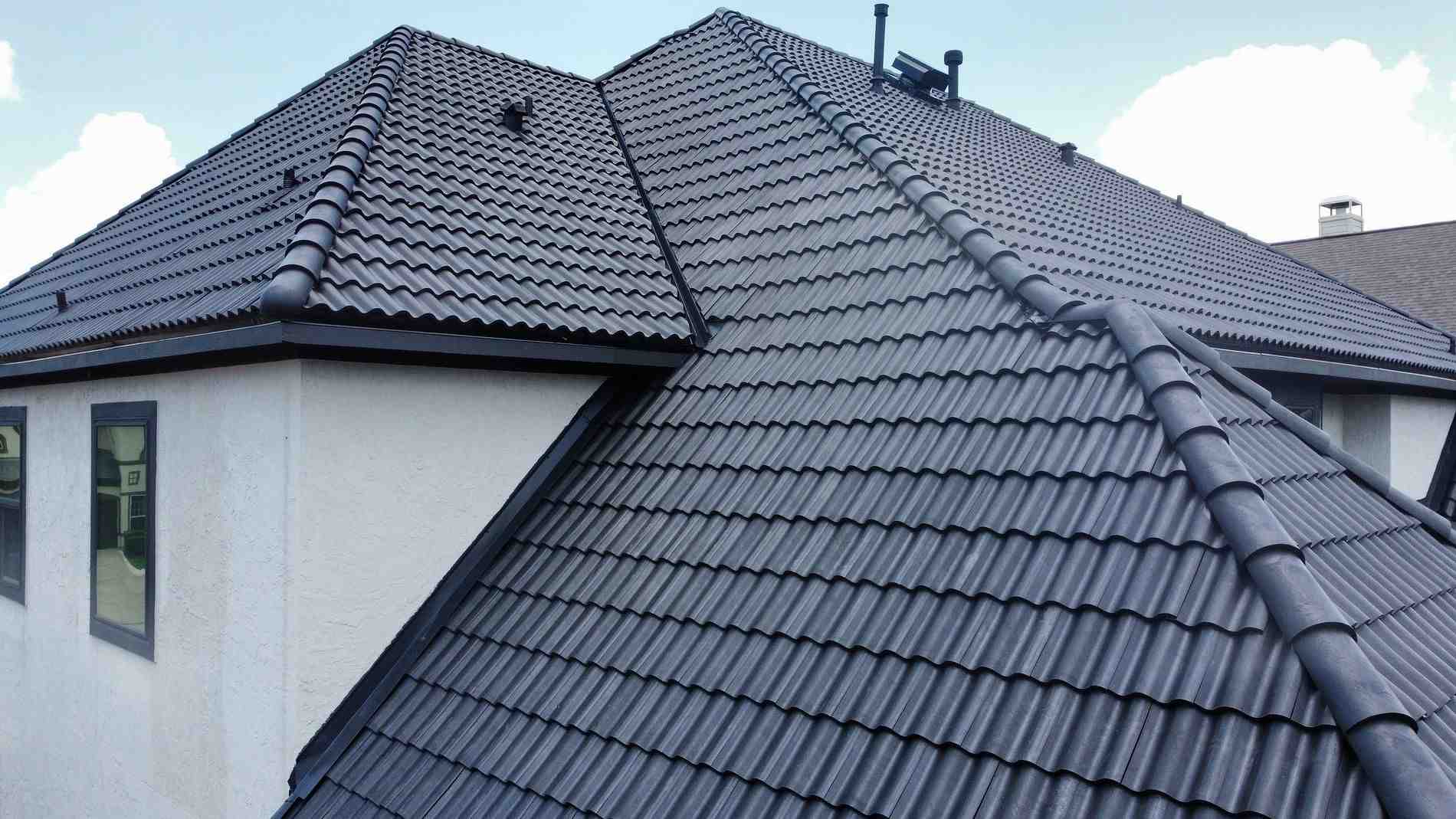
What Factors Influence the Cost of a New Roof?
The price tag on a new roof isn’t a one-size-fits-all figure. Here are the primary factors that influence the total cost:
- Roof Size and Complexity: It’s simple math: a larger roof requires more materials and labor. Beyond size, complexity plays a huge role. A roof with multiple peaks, valleys, dormers, or skylights is more intricate and time-consuming to work on than a simple, flat roof. Each of these features adds to the labor and material costs.
- Steepness or Pitch of the Roof: A steeper roof presents safety challenges and requires specialized equipment, leading to higher labor costs. Working on a low-slope roof is generally less expensive than tackling a high-pitch one.
- The Type of Roofing Material Selected: This is often the biggest cost driver. Asphalt shingles are the most common and generally most affordable option. However, if you opt for premium materials like metal, tile, slate, or even advanced synthetic options, your costs will increase significantly. For example, a durable metal roof will naturally cost more upfront than standard asphalt.
- The Cost of Labor: Labor rates vary based on the contractor’s experience, crew size, and efficiency. The best roofers in Houston might have slightly higher labor costs, but their expertise often means a faster, higher-quality installation that prevents future problems.
- Whether a Full Tear-Off of the Old Roof is Required: In many cases, especially with asphalt shingles, local building codes or the condition of the existing roof will necessitate a complete removal of old materials before new ones can be installed. This “tear-off” adds labor, disposal fees, and time to the project. If your roof can accommodate a “re-roof” (installing new shingles over existing ones), it can save some money, but this isn’t always an option or the best long-term solution.
Balancing these factors with your budget and long-term goals is key. We encourage you to explore your options for a full Roof Replacement to understand the different material and service choices available.
Avoiding Hidden Costs and Bad Deals
Navigating roofing quotes can feel like a minefield, but with a few smart strategies, you can avoid hidden costs and bad deals. Our primary advice is always to get a detailed, itemized written estimate. This document should break down every single cost: materials (type, quantity, and brand), labor, permits, disposal fees, and any other charges. If an estimate is vague or only provides a lump sum, consider it a red flag. The best roofers in Houston are transparent and happy to explain every line item.
Be wary of extremely low bids. While it’s tempting to go with the cheapest option, a price significantly lower than others often signals subpar materials, cutting corners on installation, or uninsured labor. As we often say, “If someone offers to redo your roof for thousands less than the next guy, that’s not a bargain—it’s a red flag.” These “bargains” frequently lead to costly repairs down the line, ultimately costing you more.
Finally, and this is crucial: never pay 100% of the cost upfront. A professional, reputable contractor will have a clear, staged payment schedule. Typically, this involves a deposit to secure materials and schedule the work, with subsequent payments tied to project milestones (e.g., completion of tear-off, delivery of materials, final inspection). Paying in full upfront leaves you with no leverage if the project goes awry or the contractor disappears. We always ensure our clients understand and are comfortable with our payment terms, as transparency builds trust.
Houston’s Climate vs. Your Roof: Materials and Common Problems
Houston’s subtropical climate accelerates roof wear faster than many U.S. regions, combining high UV exposure, 60%+ average relative humidity, and regular severe thunderstorms. Roofs in the greater Houston area routinely experience wind gusts exceeding 60 mph during storm season, and poorly installed systems fail at a much higher rate under these conditions. Regular inspections every 1–2 years by the best roofers in Houston significantly reduce the risk of surprise leaks and structural damage.
Telltale Signs Your Houston Roof Needs Help
Your roof often gives subtle hints that it’s struggling before a catastrophic failure. Being proactive about these signs can save you a significant headache and expense. Here are the telltale signs that your Houston roof needs our expert attention:
- Visible Water Stains on Your Interior Ceilings or Walls: This is the most obvious and alarming sign. Water stains indicate a leak, and while the stain might appear far from the actual entry point, it means water is making its way into your home.
- Shingles That Are Curling, Buckling, or Missing: Houston’s intense heat and strong winds can wreak havoc on shingles. Curling or buckling shingles are signs of age and heat damage, while missing shingles leave your underlayment exposed to the elements.
- An Abundance of Shingle Granules in Your Gutters: The granular surface of asphalt shingles protects them from UV rays. If you find a significant amount of these granules in your gutters, it means your shingles are deteriorating and losing their protective layer.
- A Roof That Is Over 20 Years Old: The average asphalt shingle roof will last approximately 20 years. If your roof is approaching or has exceeded this age, even without obvious damage, it’s living on borrowed time and should be inspected.
- A Sagging Roof Deck: This is a serious structural issue that indicates water damage or a compromised roof structure. If you notice any dips or sags, especially from the ground, it’s time for an immediate professional assessment.
Choosing the Right Roofing Material for the best roofers in Houston
Selecting the appropriate roofing material for Houston’s challenging climate is paramount. The best roofers in Houston will guide you through the options, explaining the pros and cons of each for your specific home and budget.
- Asphalt Shingles: These are the most common and cost-effective choice in Houston, with an average lifespan of 20 years. Modern asphalt shingles offer good durability and come in a wide variety of styles and colors. They are a solid all-around choice for many homeowners.
- Metal Roofing: For superior durability and energy efficiency, metal roofing is an excellent investment, especially for weathering Houston’s storms and intense sun. Metal roofs can last 50+ years, resist high winds, and reflect solar radiant heat, which can significantly lower your cooling costs. While the upfront cost is higher, the long-term benefits in terms of longevity and energy savings are substantial. Learn more about the advantages and disadvantages of steel roofing to see if this is the right fit for you.
- Tile Roofing: Providing a classic, neat look and exceptional longevity, tile roofing (clay or concrete) stands up remarkably well against the Texas sun and harsh weather. Tiles are highly durable, fire-resistant, and offer excellent insulation properties. They are a premium option that adds significant curb appeal and value.
- Energy-Efficient Options: Beyond metal roofs, many materials and installation techniques can make your roof more energy-efficient. “Cool roofs,” for example, use highly reflective paints, sheet coverings, or tiles to reduce heat absorption. Investing in these options can lead to substantial savings on your utility bills, a welcome relief during Houston’s long, hot summers. To dig deeper into how your roof can save you money, explore energy-efficient roofing options.
Your Ultimate Checklist for Hiring a Houston Roofer
Hiring a roofer is a significant decision, akin to choosing a partner for a major home renovation. In fast-growing metros like Houston, homeowners who use a structured vetting checklist are far less likely to encounter contractor disputes, warranty denials, or incomplete work. A documented selection process—covering credentials, scope, and warranties—creates a clear paper trail that protects you if issues arise years later. This checklist ensures you cover all your bases and partner with a true professional who can deliver quality craftsmanship, integrity, and peace of mind.
Preparing for Your Roofing Estimate
Before you even pick up the phone, we recommend a few preparatory steps to make the estimate process smoother and more effective:
- Get at least three detailed quotes from vetted contractors. This allows you to compare not just prices, but also materials, warranties, and proposed scopes of work. The best roofers in Houston will provide comprehensive estimates that stand up to scrutiny.
- Before they arrive, note any specific leaks or areas of concern. Walk around your home, look in your attic, and document anything unusual. This helps the estimator focus on potential problem areas and ensures nothing is overlooked.
- Prepare a list of questions. This shows you’re a serious, informed homeowner and helps you gather all necessary information. Your questions should cover:
- Their experience: How long have they been in business? Do they have experience with your specific type of roof or material?
- Insurance: Can they provide proof of general liability and worker’s compensation insurance?
- Project timeline: What’s their estimated start and completion date? How long will the actual work take?
- Cleanup process: How do they manage debris? What measures do they take to protect your landscaping?
- Warranties: What material and workmanship warranties do they offer?
What to Look for in a Roofing Contract and Warranty
Your contract is your protection and your warranty is your long-term assurance. Never sign anything you don’t fully understand. Use this quick-reference table to evaluate proposals side by side:
| Feature | What to Look For |
|---|---|
| Material Brand & Type | Exact brand and product line (e.g., GAF Timberline HDZ, Owens Corning Duration), color, and accessory components listed in writing. |
| Scope of Work | Full tear-off vs. overlay, underlayment type, ventilation upgrades, flashing details, decking repairs, and code-required items clearly itemized. |
| Workmanship Warranty | Written term (minimum 7–10 years from top contractors), what’s covered/excluded, and how claims are handled. |
| Material Warranty | Manufacturer warranty level and registration process; note if improved/transferable warranties are included. |
| Payment Schedule | Staged payments tied to milestones (deposit, materials delivered, substantial completion, final). Avoid paying 100% upfront. |
| Project Timeline | Estimated start date, duration, daily work hours, weather contingencies, and completion inspection details. |
| Debris Removal Plan | Dumpster placement, daily magnet sweeps for nails, property protection measures, and final cleanup checklist. |
Insist on a final walkthrough and documented photos of critical details (flashing, penetrations, ridge vents) before releasing final payment. Clear documentation now prevents disputes later.