

Top Roofing Contractors in Houston, Texas: How to Choose the Best in a Field of 4,349+
Finding top roofing contractors houston texas is critical for long-term roof protection and leak prevention in one of the most demanding climates in the United States. Greater Houston has more than 4,349 active roofing contractors, which means the real challenge is not availability but identifying the small percentage that combine technical excellence, transparent pricing, and proven local performance. Homeowners in Harris County report thousands of roofing complaints each year to consumer agencies, and a large share of those issues trace back to poor contractor selection rather than defective materials.
Here’s what you need to know:
- Verify credentials first – Look for BBB A+ ratings, manufacturer certifications (GAF Master Elite, CertainTeed ShingleMaster), and active insurance coverage up to $5,000,000
- Expect detailed written estimates – Professional contractors provide itemized costs, material specifications, and clear project timelines
- Understand average costs – Minor repairs cost a few hundred dollars, while full roof replacement ranges from $5,000 to $25,000+ depending on materials and complexity
- Choose climate-appropriate materials – Houston’s severe weather demands impact-resistant shingles, hurricane-rated materials, and efficient drainage systems
- Plan for proper timelines – Standard single-story replacements take 2-4 days; complex projects may require up to two weeks
Houston’s brutal climate puts your roof through extreme heat, heavy rain, hail, and high winds. The average asphalt shingle roof lasts approximately 20 years here, while architectural shingles extend that to 30 years. Metal, slate, and tile roofs can last 50-80 years with proper maintenance. Unfortunately, many homeowners fall victim to unlicensed “storm chasers,” companies demanding large upfront payments, or contractors who disappear after taking your money.
The stakes are high. A poor roofing choice can lead to water damage, mold growth, structural issues, and thousands in unexpected repair costs. Conversely, the right contractor will deliver a roof that protects your home for decades while providing comprehensive warranties and transparent communication throughout the project.
When researching Houston roofing services, look beyond flashy marketing. Focus on verifiable credentials, local reputation, and a proven track record of quality work. Professional contractors offer free inspections, work directly with your insurance company on storm damage claims, and provide clear documentation at every step.
I’m Greg Hiltz, CEO and co-owner of Paradigm Roof+Shield, and I’ve spent years leading operational excellence in construction and roofing across Texas. My experience working with top roofing contractors houston texas has shown me exactly what separates exceptional companies from those who cut corners, and I’m here to share that knowledge so you can make an informed decision.
7 Critical Signs Your Houston Roof Needs a Professional Inspection
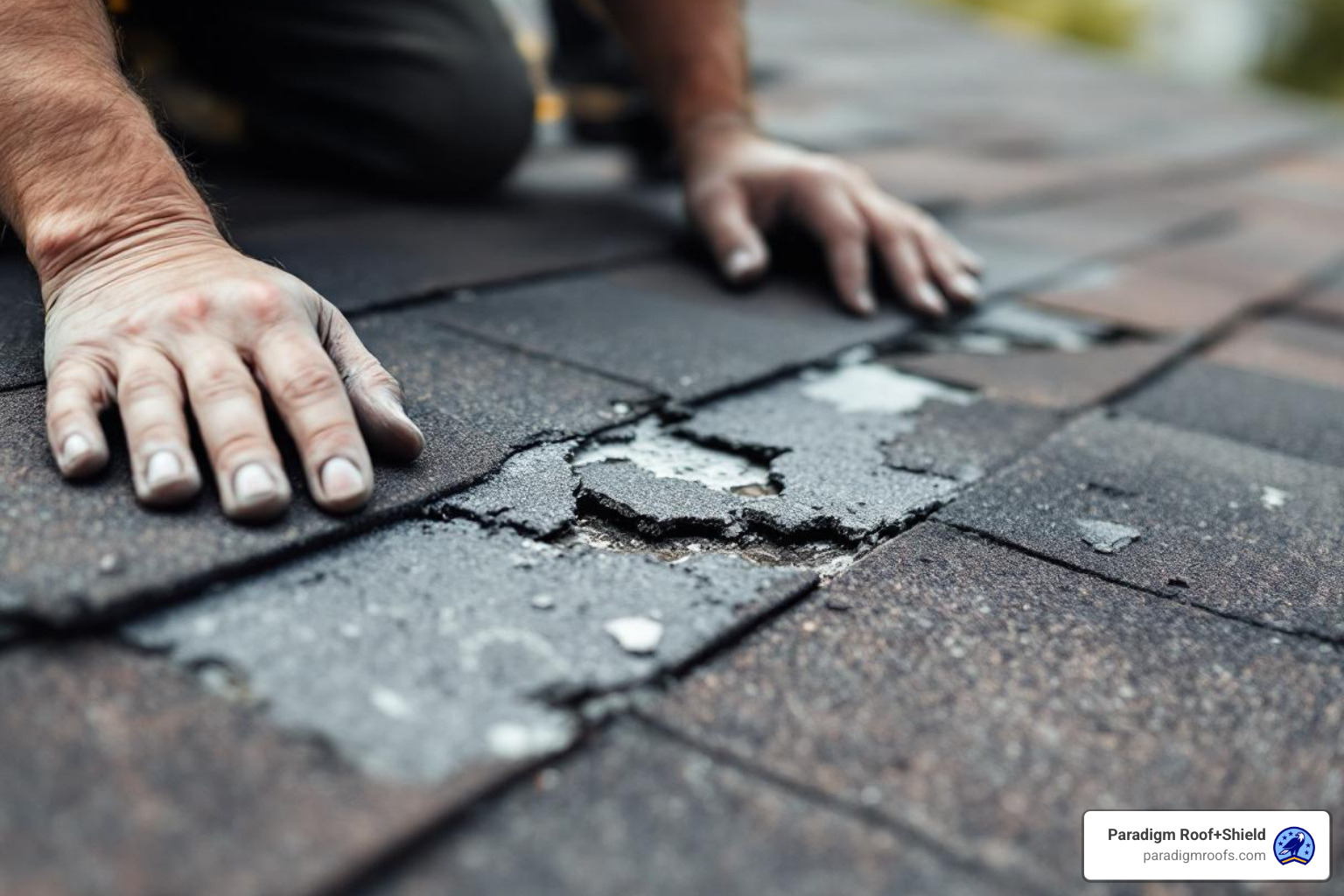
Ignoring roof damage in Houston leads to accelerated structural decay, higher energy costs, and preventable interior water damage. Independent insurance data shows that roof-related claims represent over 35% of all homeowner claims in Texas, and early detection consistently reduces claim severity. Houston’s combination of 90°F+ summer highs, Gulf humidity, and frequent hail events makes regular professional roof inspections one of the highest-ROI maintenance actions a homeowner can take.
When we conduct our initial assessments, we’re looking for these key indicators that your roof might be in distress:
- Visible shingle damage: Missing, cracked, curled, or buckled shingles are clear signs that your roof’s protective layer is compromised. High winds and extreme heat common in Houston can cause these issues.
- Granules in gutters: As asphalt shingles age, their protective granules start to shed. If you see a significant accumulation of these sand-like particles in your gutters, it means your shingles are deteriorating and losing their ability to protect your home from UV rays and weather.
- Water stains on ceilings: This is a classic, unmistakable sign of a roof leak. Water stains often appear as discolored patches, usually brown or yellow, and indicate that water has penetrated your roof and attic.
- Sagging roof deck: A sagging roofline or dips between rafters suggest structural damage, often caused by prolonged moisture exposure or heavy loads (like standing water after a downpour). This is a serious issue that requires immediate attention.
- Higher energy bills: A damaged or poorly insulated roof can lead to significant heat loss or gain, forcing your HVAC system to work harder. If your energy bills suddenly spike without explanation, your roof could be a culprit. Poor attic ventilation, which is often tied to roofing issues, can also contribute to this problem.
- Attic light penetration: If you can see daylight peeking through your attic ceiling, so can water. This indicates holes or gaps in your roof decking or flashing that need to be sealed immediately.
- Roof age over 20 years: While some materials last longer, the average asphalt shingle roof in Houston will last approximately 20 years. If your roof is approaching or exceeding this age, even if it looks okay from the ground, it’s wise to get it inspected. Architectural asphalt shingles last about 30 years, while high-end composite shingles can protect your home for about 50 years. For the ultimate longevity, metal, slate, and tile roofs can average about 80 years with consistent maintenance.
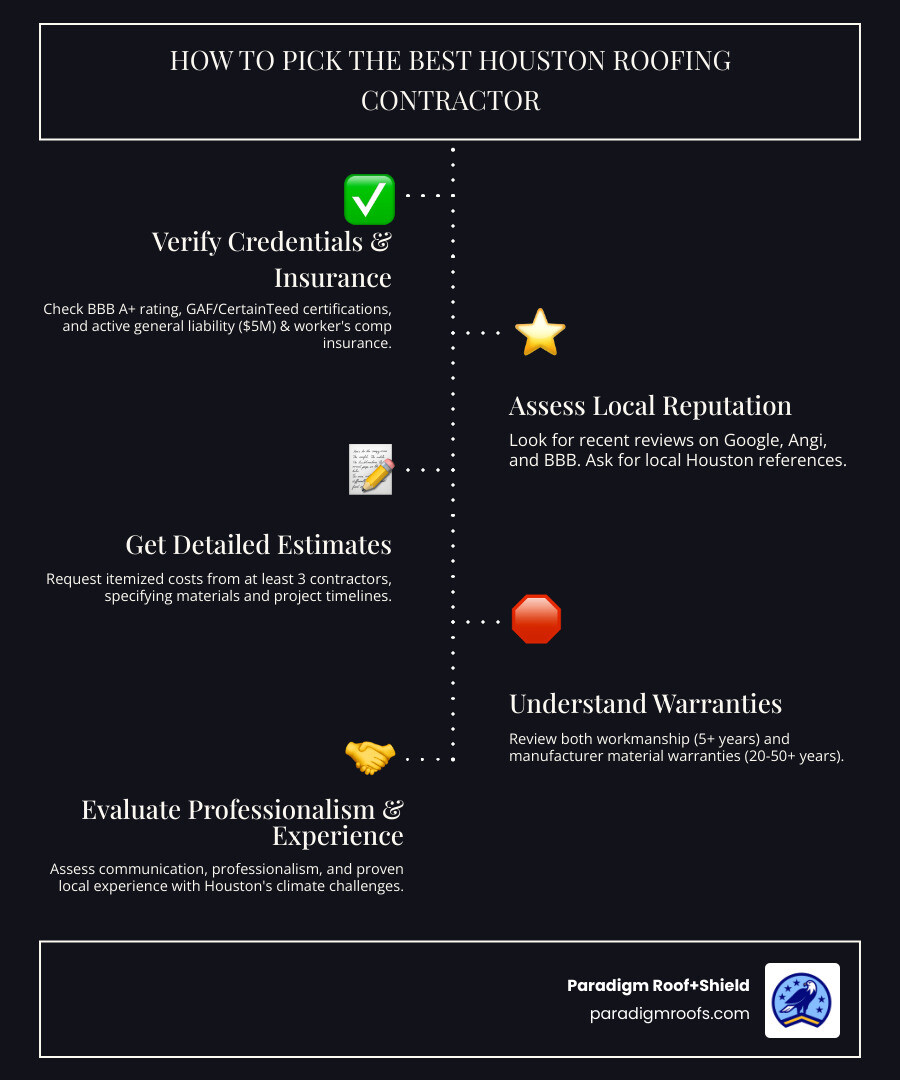
How to Vet a Roofer: A 7-Point Checklist Used by Savvy Houston Homeowners
This is the most crucial step. A contractor’s qualifications separate the professionals from the “storm chasers.” Use this checklist to thoroughly vet any potential company before signing a contract. We believe in transparency, and we want you to choose a partner who shares that value. Consumer protection studies consistently show that homeowners who follow a structured vetting process reduce their risk of project disputes and cost overruns by more than 40%.
1. Verify License and Full Insurance Coverage
This is non-negotiable. Any reputable roofing contractor will be fully licensed and insured.
- General liability insurance: This protects you from financial responsibility if the contractor causes damage to your property during the project. We recommend looking for coverage up to $5,000,000.
- Worker’s compensation: This covers the contractor’s employees if they get injured on your property. Without it, you could be held liable for their medical bills and lost wages.
- Ask for certificates: Don’t just take their word for it. Request current certificates of insurance directly from their insurance carrier.
- Verify coverage is active: Call the insurance providers to confirm the policies are current and cover the scope of your project.
- Protects you from liability: Ensuring proper insurance is in place safeguards your assets and peace of mind.
2. Look for Proven Experience and a Local Reputation
Experience matters, especially in a city like Houston where weather patterns can be extreme.
- Years in business: Longevity often correlates with stability and expertise. Some of the most trusted Houston roofers have been serving the community for over 30 years.
- Local office address: A physical, local presence indicates a contractor isn’t just passing through. Be wary of companies with only P.O. boxes or out-of-state addresses, especially after a storm.
- Houston-specific experience: Has the contractor worked on roofs in your specific climate zone? They should understand local building codes and materials best suited for Houston’s heat, humidity, and storm activity.
- Online reviews: Check platforms like Angi, Yelp, and Google. The average homeowner rating for roofing companies in Houston, TX is 4.4 out of 5, based on over 1.4k verified reviews. Look for consistent positive feedback and how the contractor responds to negative comments.
- Explore Angi’s verified reviews for asphalt shingle roofing installation, repair, and tile roofing repair.
- BBB ratings: The Better Business Bureau (BBB) provides ratings from A+ to F. We encourage you to check a contractor’s BBB rating and review their customer interactions. Many reputable Houston contractors boast A+ ratings.
- Ask for local references: A good contractor will be happy to provide contact information for recent clients in your area.
3. Prioritize Manufacturer Certifications
Certifications from leading manufacturers like GAF, CertainTeed, and IKO are a sign of a contractor’s commitment to quality and ongoing training.
- GAF Master Elite®: This is one of the highest distinctions in roofing. Only about 2% of roofing contractors nationwide achieve this status. GAF Master Elite contractors can offer the Golden Pledge Limited Warranty, GAF’s strongest warranty.
- CertainTeed ShingleMaster™: This certification demonstrates extensive knowledge of CertainTeed’s shingle products and installation best practices.
- IKO-Certified: Contractors certified by IKO are trained in the proper installation of IKO roofing systems.
- Access to better warranties: Certified contractors can offer improved manufacturer warranties that often provide longer and more comprehensive coverage than standard warranties. GAF, for example, offers various improved warranties like the System Plus and Silver Pledge, depending on the certification level.
- Proof of training: These certifications mean the contractor’s team has undergone specific training and meets strict quality standards set by the manufacturer.
- Learn more about GAF’s contractor terms of use and benefits for participating contractors: GAF Contractor Terms of Use.
4. Understand Their Warranties
A warranty is your protection for the future. Don’t overlook this critical detail.
- Workmanship warranty: This covers the quality of the installation. A reputable contractor will offer at least a 5-year workmanship warranty, with some extending to 10 years or more.
- Manufacturer warranty: This covers defects in the roofing materials themselves. Depending on the material, these can range from 20 years to a limited lifetime.
- Lifetime vs. prorated: Understand the difference. A “lifetime” warranty often means the lifetime of the product, not your lifetime, and may be prorated over time.
- What voids a warranty: Be aware of anything that could void your warranty, such as improper repairs by another party or certain types of modifications.
- Get it in writing: Ensure all warranty details are clearly documented in your contract.
5. Get a Detailed, Written Estimate
A vague estimate is a red flag. A professional contractor provides a clear, comprehensive proposal.
- Itemized costs: Every line item should be broken down, including materials, labor, permits, and debris removal.
- Materials specified: The estimate should clearly state the type, brand, and color of all materials to be used (e.g., GAF Timberline HDZ shingles in Weathered Wood).
- Labor costs: Understand how labor is calculated and what it includes.
- Project timeline: A realistic start and end date, along with milestones, should be provided. In Houston, a standard roof replacement for a single-story home typically takes 2–4 days, while larger or complex projects may require up to two weeks. Minor roof repairs can often be completed within a day.
- Payment schedule: A clear payment structure, often with a deposit and payments tied to project milestones, is standard. Be wary of demands for large upfront payments.
- No vague language: Avoid estimates with phrases like “miscellaneous costs” or “as needed.”
6. Evaluate Their Communication and Professionalism
Effective communication is key to a smooth project and a happy homeowner.
- Answers your questions clearly: A good contractor will take the time to explain the process, materials, and costs in a way you understand.
- Doesn’t use high-pressure sales tactics: If you feel pressured to sign immediately, walk away. Reputable contractors let their work and reputation speak for themselves.
- Provides a dedicated project manager: For larger projects, a single point of contact ensures clear communication and accountability.
- Professional website and branding: A well-maintained online presence and professional branding reflect a serious business. Check their website and social media profiles for professionalism and customer engagement.
7. Inquire About Safety Protocols
Roofing is dangerous work. A contractor’s commitment to safety protects their crew and your property.
- Adherence to OSHA standards: Ask about their safety training and adherence to Occupational Safety and Health Administration (OSHA) guidelines.
- Debris management plan: How will they protect your landscaping and clean up the work site? Some companies use tarping systems to catch debris, minimizing impact on your yard.
- Use of safety harnesses: Ensure their crew uses appropriate personal protective equipment, especially when working at heights.
- Site cleanup procedures: A thorough cleanup after the project is complete is a sign of professionalism. No one wants to find nails in their driveway a week later!
Houston Roof Replacement Costs: Data-Driven Pricing and Material Choices
Roofing costs in Houston can vary significantly, but they follow consistent, explainable patterns tied to size, pitch, materials, and underlying structure. Market analyses of Gulf Coast metropolitan areas show that a full roof replacement typically represents 2–5% of a home’s value, while timely repairs often cost less than 0.5%. Understanding these ranges allows homeowners to distinguish between fair, data-backed proposals and outlier bids.
Factors Influencing Your Roofing Cost
When we provide an estimate, we consider several variables that directly impact the final price:
- Roof size and complexity: Larger roofs naturally cost more, as do roofs with multiple gables, valleys, chimneys, or skylights, which require more intricate flashing work.
- Pitch or slope: A steeper roof requires more safety measures, specialized equipment, and often takes longer to work on, increasing labor costs.
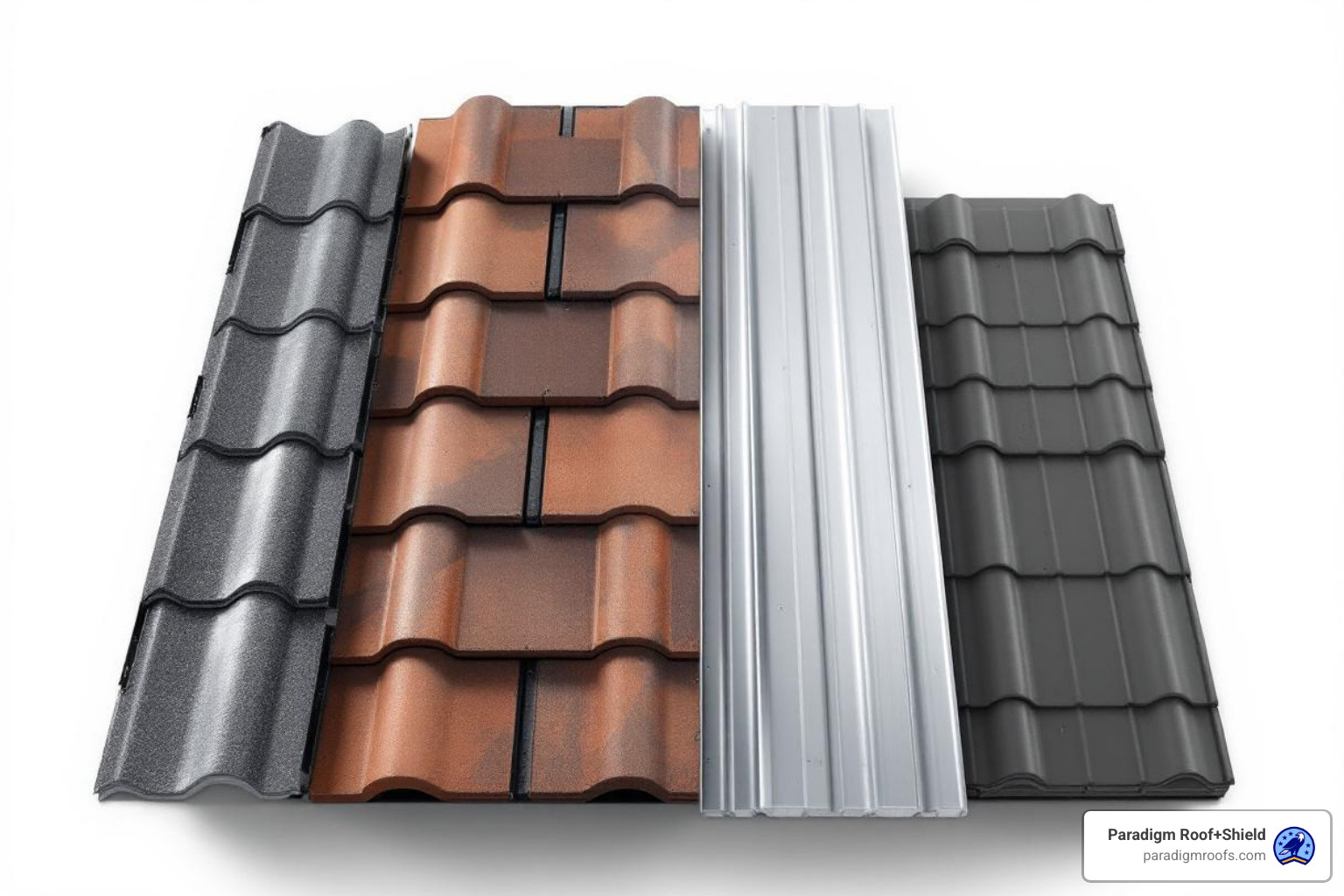
- Type of materials: This is a major cost driver. Asphalt shingles are typically the most affordable, while metal, tile, and slate are premium options. High-end composite shingles can also be more expensive but offer extended lifespans.
- Extent of damage: If your roof has significant structural damage to the decking or rafters, these repairs will add to the overall cost. For commercial properties, these considerations are equally vital.
- Number of layers to remove: If your old roof has multiple layers of shingles, removing them will increase labor and disposal costs.
- Accessibility: Difficult-to-access roofs can increase labor time and equipment needs.
Many reputable Houston roofers also offer financing options to help homeowners manage these investments. Options can include quick and easy unsecured home improvement loans, with some partnerships offering pre-approved loans in seconds and funds available as soon as one business day.
Best Roofing Materials for Houston’s Climate
Houston’s unique climate—with its intense heat, high humidity, and frequent severe weather events—demands specific roofing materials. We recommend options that stand up to these challenges:
- Impact-resistant shingles (Class 4): These shingles are designed to withstand hail, a common occurrence in Houston. They often come with better insurance rates due to their durability.
- Hurricane-rated materials: For areas prone to high winds, hurricane-rated shingles and installation methods are crucial to prevent blow-offs during tropical storms and hurricanes.
- Metal roofing: Metal roofs are an excellent choice for Houston. They are durable, lightweight (less than half the weight of shingles), and can last 3 to 4 times longer than asphalt shingles, up to 80 years. They shed water efficiently, are highly wind-resistant (2 to 3 times better than the highest-rated shingle roofs), and can even reduce energy costs by reflecting solar heat. Plus, they eliminate the need to replace wood decking.
- Tile and slate: These materials offer exceptional longevity (up to 80 years), are fireproof, and highly resistant to hail and weather damage. While a higher upfront investment, their durability and aesthetic appeal can significantly increase home value.
- Light-colored “cool roofs”: These roofs reflect more sunlight and absorb less heat, which can significantly lower attic temperatures and reduce air conditioning costs during Houston’s scorching summers.
- Radiant barriers: Installed in the attic, radiant barriers are designed to inhibit heat transfer from thermal radiation, further enhancing your home’s energy efficiency.
A Homeowner’s Guide to Finding the Top Roofing Contractors in Houston Texas
Now that you know what to look for, it’s time to find your contractor. This systematic approach will help you narrow down the vast field of options to a few highly qualified candidates. There are over 4,000 roofing contractors in Houston, so a little detective work goes a long way.
How to find the best roofers in Houston
Finding a truly exceptional roofing partner requires a bit of homework. Here’s our recommended process:
- Check BBB for A+ ratings: Start your search on the Better Business Bureau website. Look for companies with A+ ratings and a history of positive customer interactions. This indicates a commitment to ethical business practices.
- Use manufacturer directories like GAF’s: Major manufacturers often have online tools to find certified contractors in your area. For instance, GAF provides a service to “Find a contractor near Houston, TX” and resources for understanding their certifications and warranties. This ensures you’re working with a team trained in the latest materials and techniques.
- Read recent reviews on Angi and Google: Don’t just look at the star rating; read the actual comments. Look for patterns in feedback regarding communication, timeliness, quality of work, and professionalism. Angi reports an average homeowner rating of 4.4 for roofing companies in Houston, TX, with over 1.4k verified reviews.
- Get at least three detailed quotes: This allows you to compare not just price, but also the scope of work, materials proposed, and warranty offerings. Be wary of quotes that are significantly lower than others; they might indicate cut corners or hidden costs.
- Never accept unsolicited offers: Especially after a storm, “storm chasers” will often go door-to-door. While some might be legitimate, it’s always best to research and choose a contractor on your own terms.
Common Pitfalls to Avoid When Hiring
Just as important as knowing what to look for is knowing what to avoid. Steer clear of these common traps:
- Unlicensed “storm chasers”: These contractors often appear after severe weather, offer low bids, and may disappear before the job is finished or when problems arise. They often lack proper insurance and local ties.
- Demands for large upfront payments: While a reasonable deposit is standard, be suspicious of contractors who demand a large percentage of the total cost upfront, especially before any work has begun or materials delivered.
- High-pressure sales tactics: A professional contractor will educate you and allow you time to make an informed decision, not push you into signing on the spot.
- Vague or verbal-only contracts: Get absolutely everything in writing. A detailed contract protects both you and the contractor, outlining the scope of work, materials, costs, timeline, and warranties.
- The “too good to be true” low bid: If one quote is drastically lower than all the others, it’s a major red flag. This often means they’re using substandard materials, cutting corners on labor, or will hit you with unexpected charges later.
Frequently Asked Questions About Hiring a Houston Roofer
How long does a roof replacement take in Houston?
A standard roof replacement on an average-sized single-story home typically takes 1-3 days, weather permitting. However, for larger or more complex projects—such as those involving multiple layers of old roofing, steep pitches, or specialized materials like tile or slate—the process can extend up to a week or even two weeks. Weather delays, especially during Houston’s hurricane season or periods of heavy rain, material delivery issues, and permit approvals can also impact the overall timeline. Minor roof repairs, on the other hand, can often be completed within a single day.
Will my homeowner’s insurance cover a new roof?
Homeowner’s insurance typically covers roof replacement if the damage is caused by a sudden, unexpected event, often referred to as an “act of God.” This includes damage from hurricanes, hail, severe wind, or a fallen tree. It generally does not cover replacement due to old age, normal wear and tear, or a lack of maintenance. If you suspect storm damage, a reputable contractor can conduct a free inspection, document the damage with photos, and help you steer the insurance claims process to ensure your carrier has all the necessary information. Many top roofing contractors houston texas are experienced in working with insurance companies.
Do I need a permit for a roof replacement in Houston?
Yes, in most cases, a permit is required for a roof replacement or significant repair in the City of Houston and surrounding municipalities. This ensures that the work complies with local building codes and safety standards. A professional roofing contractor should handle the entire permitting process for you, including application, inspection scheduling, and adherence to all regulations. Skipping permits can lead to compliance issues, fines, and potential problems when selling your home. Before starting any work, it’s also wise to confirm any Homeowners Association (HOA) approvals if your neighborhood has specific architectural or material guidelines.
Secure Your Home with a Contractor You Can Trust
Choosing from the many top roofing contractors in Houston Texas requires diligence, but it’s the best way to protect your home and your wallet. By verifying credentials, demanding detailed written estimates, and understanding the value of quality materials and warranties, you can avoid being ripped off. Look for a company built on integrity, craftsmanship, and a commitment to technical excellence.
The right partner will make the process smooth and deliver a roof that stands strong against the Texas elements for decades. Ready to work with a team that embodies these values? Contact Paradigm Roof+Shield for a comprehensive inspection and an honest assessment of your roofing needs. Learn more about our expert roofing services in Houston, TX.