

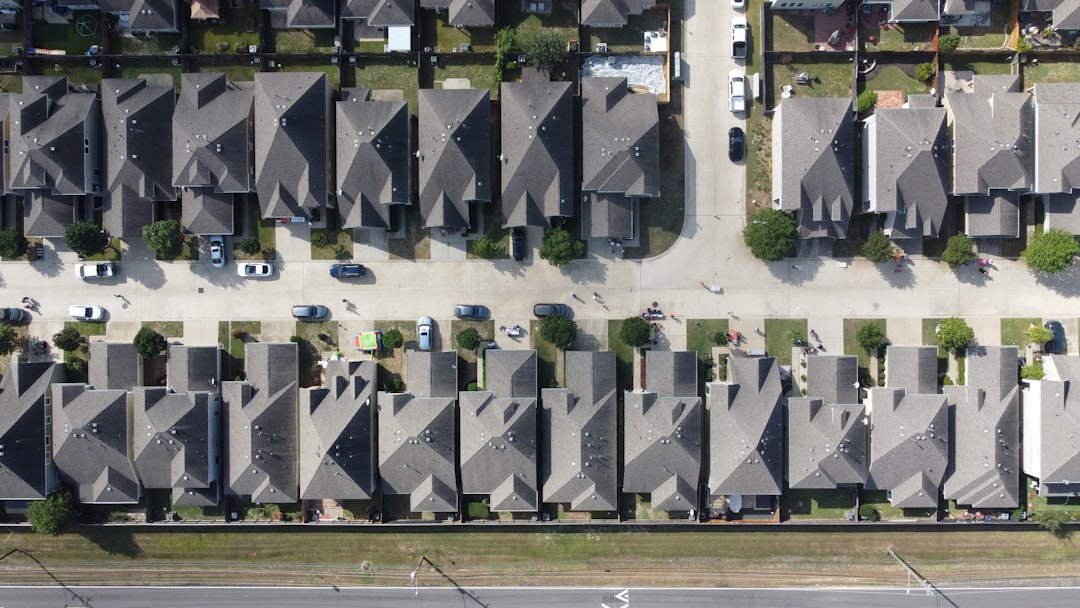
Why Your Houston Roof’s Lifespan is 40% Shorter & What to Do About It
Local roofers Houston homeowners trust are essential for protecting your property against one of the most demanding climates in the United States. Partnering with a contractor that provides expert roofing solutions is the first step toward securing your home. Finding the right team means understanding your options, knowing what certifications matter, and choosing a contractor that values transparency and quality craftsmanship as much as you do.
Quick Guide to Finding Reliable Local Roofers in Houston:
- Verify credentials – Confirm Texas state licensing, general liability insurance (up to $5 million coverage), and worker’s compensation
- Check manufacturer certifications – Look for GAF Master Elite® or Owens Corning Platinum Contractor status
- Read recent reviews – Check BBB ratings and Google reviews (look for 4.9+ star ratings)
- Get detailed estimates – Professional quotes should be itemized with clear scope, materials, and costs
- Confirm local expertise – Choose contractors who understand Houston’s subtropical climate challenges
- Ask about insurance claims – Experienced roofers should help steer storm damage claims and work directly with adjusters
Houston’s unique climate creates specific challenges for your roof. The combination of intense UV exposure, high humidity, heavy rainfall, and hurricane threats means your roof faces accelerated wear compared to other regions. Due to extreme heat and humidity, a typical roof in Houston has a realistic lifespan of just 15-20 years—significantly shorter than the 25-30 year warranties manufacturers advertise.
Your roof is your home’s first line of defense. When summer temperatures soar above 95°F for months, when tropical storms bring torrential rain, or when high winds threaten your property, a quality roof installation by experienced Houston roofing services becomes critical to protecting your investment.
The challenge many Houston homeowners face is finding contractors who combine technical expertise with honest communication and transparent pricing. Unreliable contractors, surprise costs, and substandard work are frustrations no property owner should endure when making such an important investment.
As Greg Hiltz, CEO of Paradigm Roof & Shield, I’ve spent years helping Houston homeowners steer these decisions, bringing experience from both military service and construction leadership to ensure every client receives expert guidance when working with local roofers Houston residents depend on. My team and I are committed to raising the standard for what homeowners should expect from their roofing contractor.
Houston’s Triple Threat: How Sun, Rain, and Storms Degrade Your Roof
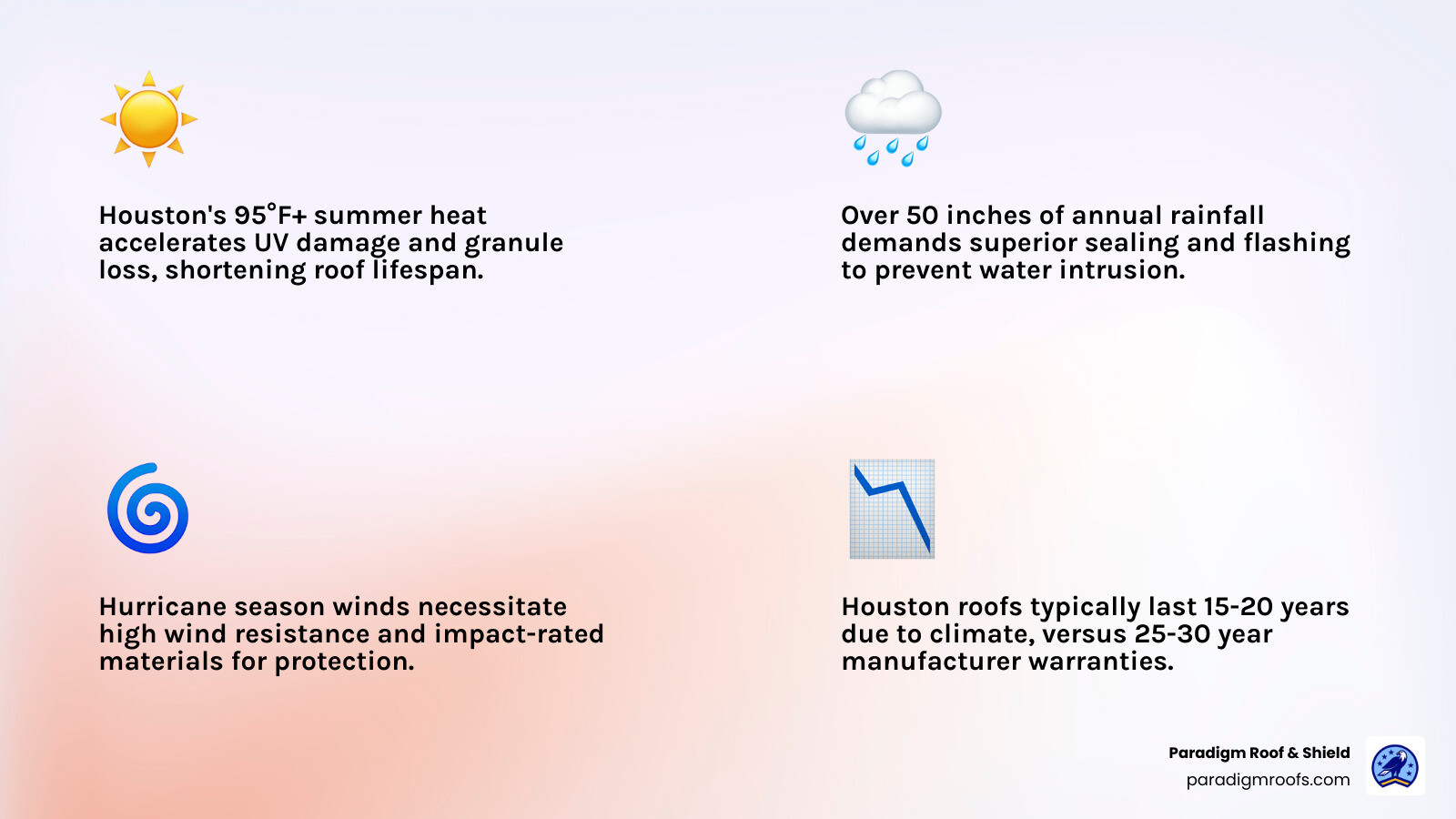
Houston’s weather is, to put it mildly, a force of nature. From scorching summers to sudden, torrential downpours and the ever-present threat of hurricanes, our roofs endure a relentless assault. Understanding these climatic pressures is the first step in choosing the right roofing solutions and finding local roofers Houston homeowners can trust to build resilient roofs.
Intense UV Exposure: The Silent Killer
Houston’s long, hot summers mean intense ultraviolet (UV) radiation beating down on your roof day after day. This isn’t just about making your attic hot; it’s about accelerating the degradation of your roofing materials. Asphalt shingles, for example, rely on their protective granules to deflect UV rays. However, prolonged exposure causes these granules to loosen and shed, often ending up in your gutters. This granule loss exposes the asphalt layer beneath, leading to brittleness, cracking, and a significantly shortened lifespan. In our region, a roof that might last 30 years elsewhere could realistically only last 15-20 years.
High Humidity and Heavy Rainfall: A Recipe for Water Damage
Our subtropical climate brings not only heat but also high humidity and an abundance of rain. Houston averages over 50 inches of rainfall annually, which means your roof is constantly battling moisture. This persistent dampness creates an environment ripe for mold, mildew, and algae growth, especially on shaded areas of the roof. Beyond surface issues, heavy rainfall puts immense pressure on your roof’s integrity. Any weak points—improperly sealed flashing, damaged shingles, or inadequate drainage—can lead to water intrusion, causing interior leaks, rot in the underlying decking, and even structural damage. This highlights the critical necessity of proper sealing and flashing, along with robust gutter systems, to divert water effectively. For us, understanding how roof pitch affects drainage in Texas homes is crucial for effective water management and preventing these issues.
Hurricane and Tropical Storm Threats: Wind, Water, and Debris
Perhaps the most dramatic and destructive weather events we face are hurricanes and tropical storms. These bring a dangerous trifecta of high winds, torrential rain, and airborne debris. A roof needs to be more than just aesthetically pleasing; it must be engineered to withstand these extreme forces. High wind resistance is paramount, often achieved through specialized nailing patterns and impact-rated materials designed to resist uplift and penetration from flying objects. The wind can peel back shingles, expose underlayment, and compromise the entire roofing system in a matter of minutes. Choosing materials and installation techniques that prioritize durability against these severe weather conditions is not just a recommendation; it’s a necessity for any Houston homeowner.

Choosing Your Shield: A Data-Driven Comparison of Houston Roofing Materials
Choosing the right roofing material for your Houston home is a decision that balances aesthetics, budget, and performance against our demanding climate. We pride ourselves on offering a range of high-quality options, each with distinct advantages and considerations.
| Material | Lifespan (Houston) | Cost (Initial) | Wind Resistance | Maintenance |
|---|---|---|---|---|
| Asphalt Shingles | 15-20 years | Low-Moderate | Moderate | Low |
| Metal Roofing | 40-70+ years | Moderate-High | High | Very Low |
| Tile/Slate Roofing | 50-100+ years | High | High | Low |
Asphalt Shingles
Asphalt shingles remain the most popular roofing material in the U.S. and for good reason. They offer a cost-effective solution with a wide variety of styles, textures, and colors, allowing homeowners to achieve diverse aesthetic goals without breaking the bank. Brands like GAF Timberline® are America’s #1 selling shingle brand, known for their durability and attractive appearance.
However, in Houston’s intense heat and humidity, asphalt shingles often have a shorter lifespan compared to what’s advertised or what they might achieve in cooler climates. The relentless sun causes granules to shed prematurely, reducing their protective qualities. While relatively low maintenance, regular inspections are crucial to catch issues like curling, cracking, or missing shingles before they lead to leaks.
Metal Roofing
Metal roofing has surged in popularity, and for good reason. It offers exceptional durability and longevity, often lasting 40-70 years or more with minimal maintenance. One of its most significant advantages in Houston is its superior energy efficiency. Metal roofs reflect solar heat away from your home, which can lead to noticeable reductions in cooling costs during our long summers. They also boast high wind resistance, making them an excellent choice for hurricane-prone areas.
While the initial investment for metal roofing is higher than asphalt, its extended lifespan and energy savings often make it a more cost-effective choice in the long run. Metal roofing is incredibly versatile, suitable for both residential and commercial applications, and comes in various styles, including standing seam, metal shingles, and tiles that can mimic other materials.
Tile and Slate Roofing
For homeowners seeking unparalleled aesthetic appeal and extreme durability, tile and slate roofing are exceptional choices. These materials offer excellent longevity, often lasting 50 to 100 years or even longer, and are inherently fire-resistant. They provide a classic, high-end aesthetic that can significantly improve a home’s curb appeal and value.
The primary considerations for tile and slate are their weight and cost. These are very heavy materials that may require structural reinforcement of your roof decking, adding to the overall expense. The upfront cost is significantly higher than asphalt or even most metal options. However, their incredible lifespan, minimal maintenance needs, and timeless beauty make them a worthwhile investment for those seeking a premium, long-term roofing solution.
Choosing the Right Local Roofers in Houston: A Homeowner’s Checklist
Selecting a roofing contractor in Houston isn’t just about getting a quote; it’s about finding a reliable partner to protect your most valuable asset. As a veteran-led team, we understand the importance of trust and diligence. Here’s what we believe you should look for when choosing local roofers Houston homeowners can truly depend on.
The Benefits of Hiring Local Companies
Choosing a local company offers distinct advantages that national chains often can’t match. We are part of the community, which means we have a vested interest in maintaining a strong reputation right here in Houston. This translates into greater accountability and a genuine commitment to customer satisfaction. We live and work in the same climate as you do, giving us invaluable, knowledge of local building codes, common roofing issues specific to our area, and the best materials and techniques to withstand Houston’s unique challenges. Plus, by hiring local, you’re directly supporting our community’s economy and often benefiting from faster emergency response times when you need us most.
Credentials and Reputation: Your Due Diligence
Before you even think about materials or pricing, verify a contractor’s credentials. This is non-negotiable.
- Texas State Licensing: Ensure they are properly licensed to operate in Texas. This demonstrates they meet state-mandated standards.
- Insurance: Confirm they carry adequate general liability and worker’s compensation insurance. This protects you from liability if an accident occurs on your property. We carry general liability insurance for up to $5,000,000.00 and Worker’s Comp.
- Better Business Bureau (BBB): Check their BBB rating and look for accolades. Companies recognized with awards like the 2024 BBB Awards for Excellence demonstrate a commitment to integrity and customer satisfaction.
- Online Reviews: Read recent reviews on platforms like Google. Look for patterns in feedback regarding professionalism, communication, quality of work, and adherence to timelines. A high star rating (4.9+) based on numerous reviews is a strong indicator of consistent quality.
Manufacturer Certifications: A Mark of Quality and Warranty Protection
A reputable roofer doesn’t just install roofs; they partner with leading manufacturers. Look for certifications like GAF Master Elite® or Owens Corning Platinum Contractor. These designations are not easily earned. They signify that the contractor has:
- Met rigorous standards for professionalism and reliability.
- Received extensive factory training on the proper installation of the manufacturer’s products.
- Demonstrated a commitment to ongoing training and best practices.
The biggest benefit of choosing a certified contractor is access to improved manufacturer warranties. These extended warranties often provide superior coverage on materials and workmanship that are simply not available from non-certified contractors. It’s important to remember, as GAF states, that certified contractors are independent businesses, not employees of the manufacturer. However, their certification means they are trusted by the manufacturer to uphold high standards.
The Importance of a Detailed Estimate: Transparency is Key
A professional estimate from local roofers Houston homeowners can trust should be far more than just a number. It should be a detailed, itemized proposal that clearly defines:
- Scope of Work: What exactly will be done? (e.g., full tear-off, decking replacement, specific repairs).
- Materials Used: Brand, type, color, and quantity of all roofing components (shingles, underlayment, flashing, vents, etc.).
- Total Cost: A clear breakdown of labor and materials, with no hidden fees.
- Timeline: Expected start and completion dates.
- Warranty Information: Details on both the manufacturer’s and the contractor’s workmanship warranty.
Reputable contractors understand that transparency builds trust. We provide clear, upfront estimates and rarely ask for full payment before the work is complete. In fact, many trustworthy companies, like ours, will only request payment once the job is underway or completed to your satisfaction. Be wary of any contractor demanding a large upfront deposit before any work has begun.
Navigating Your Roof Replacement: A Step-by-Step Guide to the Process & Insurance Claims
Understanding the typical roofing process, especially when dealing with insurance claims, can explain what often feels like a daunting project. Our goal is always to make this journey as smooth and transparent as possible for Houston homeowners.
Signs Your Roof Needs Attention
Your roof is constantly communicating its condition, if you know what to look for. Proactive identification of these signs can prevent minor issues from escalating into costly repairs or even premature replacement.
- Visible Damage: Look for missing, cracked, or curling shingles. These are clear indicators that your roof’s protective layer is compromised and susceptible to water intrusion.
- Granule Loss: A significant amount of shingle granules accumulating in your gutters or around your downspouts is a tell-tale sign of advanced wear. These granules protect the asphalt from UV rays, and their loss means your shingles are deteriorating.
- Water Stains: Any water stains appearing on interior ceilings or walls, especially after heavy rain, are definitive evidence of a leak. Don’t ignore them; even a small leak can lead to significant mold and structural damage over time.
- Spongy Roof: A spongy or soft feeling when walking on certain areas of your roof indicates that the underlying decking may be rotting due to water damage. This is a serious structural issue that needs immediate attention.
- Roof Age: If your roof is over 15-20 years old, it’s nearing the end of its realistic lifespan in Houston’s climate. Even if there are no obvious signs of damage, a professional inspection is highly recommended to assess its remaining integrity.
The Typical Repair and Replacement Process
Once you’ve identified potential issues and chosen a reputable contractor, the actual work begins. Here’s what you can expect from a professional roofing project:
- Thorough Professional Inspection: We start with a comprehensive assessment of your roof’s current condition, often using advanced tools and detailed photo documentation. This helps us accurately diagnose issues and recommend the best course of action.
- Detailed Proposal and Contract: You’ll receive a written proposal outlining the scope of work, materials, timeline, and total cost. A clear contract protects both parties and ensures everyone is on the same page.
- Project Execution:
- Property Protection: Before any work begins, we take measures to protect your landscaping, driveways, and other vulnerable areas around your home.
- Old Roof Removal: The existing roofing materials are carefully removed down to the decking.
- Decking Inspection: The exposed roof decking is thoroughly inspected for any signs of rot, damage, or structural issues. Any necessary repairs or replacements are made at this stage.
- New Roof Installation: High-quality underlayment, flashing, and your chosen roofing material are installed according to manufacturer specifications and local building codes.
- Meticulous Cleanup: The work site is thoroughly cleaned, ensuring all debris, nails, and old materials are removed.
- Final Walk-Through: A final inspection with you ensures that the work meets your expectations and our high standards. We address any questions or concerns you may have, ensuring your complete satisfaction. For an average-sized home, a full roof replacement can typically be completed in 1-3 days, depending on complexity and weather conditions.
Navigating Insurance Claims with Local Roofers Houston
Dealing with storm damage and insurance claims can be overwhelming. This is where the expertise of local roofers Houston homeowners can depend on becomes invaluable.
- Document Damage: Immediately after a storm, take clear photos and videos of any damage to your roof and property. Note the date and time. This documentation is crucial evidence for your claim.
- Contact Your Insurer: File a claim with your insurance provider promptly. They will assign an adjuster to assess the damage.
- Roofer Meets Adjuster: This is a critical step. Your chosen roofer should be present when the insurance adjuster inspects your roof. Their trained eye can ensure all damage, even subtle issues, is identified and included in the claim. This expertise is vital for handling storm-related Houston shingle repairs and other damages.
- Supplements and Deductibles: An experienced roofer can help steer the complexities of insurance claims, including steering supplements for items that might have been missed in the initial assessment. They can also explain your deductible and how it applies to your claim. Our team works with insurance providers daily, streamlining the process and advocating on your behalf to maximize your coverage.
Frequently Asked Questions About Houston Roofing
We often hear similar questions from homeowners navigating their roofing needs in Houston. Here are some of the most common ones, answered directly and clearly.
How can I extend the lifespan of my roof in Houston’s climate?
The most effective way to maximize your roof’s life, especially in Houston’s challenging climate, is through consistent, proactive maintenance. This isn’t a one-and-done task; it’s an ongoing commitment. We recommend at least one professional inspection annually to catch small issues before they become major problems. Regularly keep your gutters and downspouts clear of debris like leaves and twigs to ensure proper water drainage. Trim overhanging tree branches by at least 10 feet to prevent abrasion, debris accumulation, and easy access for pests. Finally, address minor issues such as loose, cracked, or missing shingles immediately. Ignoring them can quickly lead to water intrusion and widespread damage. Think of annual roof maintenance like changing the oil in your car—it’s essential for longevity.
What certifications are most important for local roofers Houston?
Beyond mandatory state licensing and full insurance coverage (general liability and worker’s compensation), manufacturer certifications are a key indicator of a reputable and high-quality roofer. Designations like GAF Master Elite® or Owens Corning Platinum Preferred Contractor are particularly significant. These certifications aren’t handed out lightly; they signify that the roofer has undergone factory training, adheres to strict installation guidelines, has a proven track record of quality workmanship, and maintains a strong business reputation. Crucially, these certified contractors can offer improved manufacturer warranties that provide superior protection for your investment—warranties often unavailable from non-certified companies. When you see these certifications, you know you’re working with a company that has met the highest industry standards.
Is it better to repair or replace my roof?
This is a common dilemma, and the answer isn’t always straightforward. The decision to repair or replace your roof depends on several factors:
- Roof Age: If your asphalt shingle roof is over 15-20 years old in Houston’s climate, a replacement is often the more economical long-term solution, even for seemingly minor issues. Older roofs are more susceptible to widespread deterioration.
- Type of Material: Some materials, like metal or tile, are more durable and often allow for spot repairs even after significant damage, extending their lifespan considerably.
- Extent of Damage: Small, isolated issues (e.g., a few missing shingles, minor leaks) on an otherwise healthy, relatively new roof can often be repaired effectively. However, if the damage is widespread (e.g., granule loss across large sections, multiple leaks, underlying decking rot), a full replacement is typically the more cost-effective and safer long-term solution. A professional inspection is essential to make this determination. We will provide a comprehensive assessment and recommend the best path forward, balancing repair costs against the longevity and peace of mind a new roof offers.
Partner with Paradigm: Secure Your Houston Home with an Elite Roofer
Your roof is your home’s most important shield against Houston’s demanding weather. It’s an investment that protects everything beneath it, from your family to your cherished possessions. Choosing a vetted, reputable local contractor and committing to proactive maintenance are the best ways to protect that investment. A quality roof is not an expense—it’s peace of mind.
At Paradigm Roof & Shield, we bring a veteran-led commitment to craftsmanship, innovation, integrity, and technical excellence to every project. Our team is dedicated to providing superior residential and commercial roofing services, ensuring that your roof is built to last and provides the protection you deserve. For a comprehensive inspection and a partner you can trust for your roofing needs in the Greater Houston area, contact our team today at (817) 984-7299. We’re ready to serve you.