

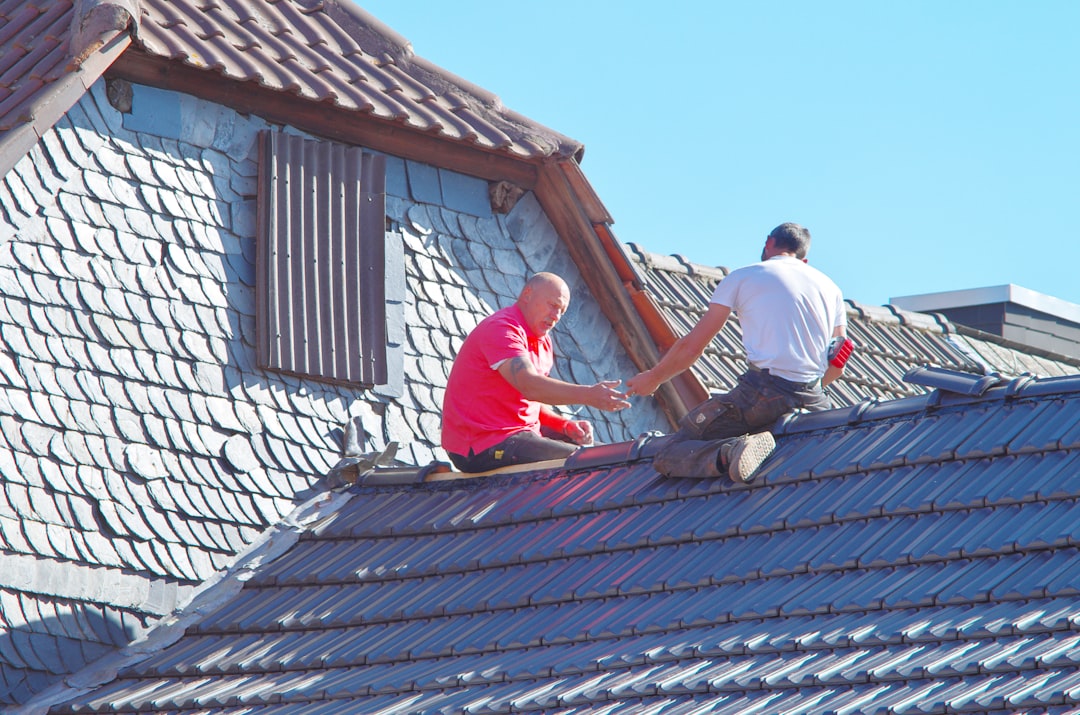
Your Home’s First Line of Defense: Why Choosing the Right Roofer is Non-Negotiable
A Reliable roofing contractor is the foundation of a successful roofing project, ensuring quality workmanship, durable materials, and long-term protection for your home. Your roof shields your family and belongings from harsh weather, but its effectiveness depends entirely on who installs or repairs it. With nearly 1,000 roofing contractors listed in some metropolitan areas, the choice can feel overwhelming—and the stakes are high.
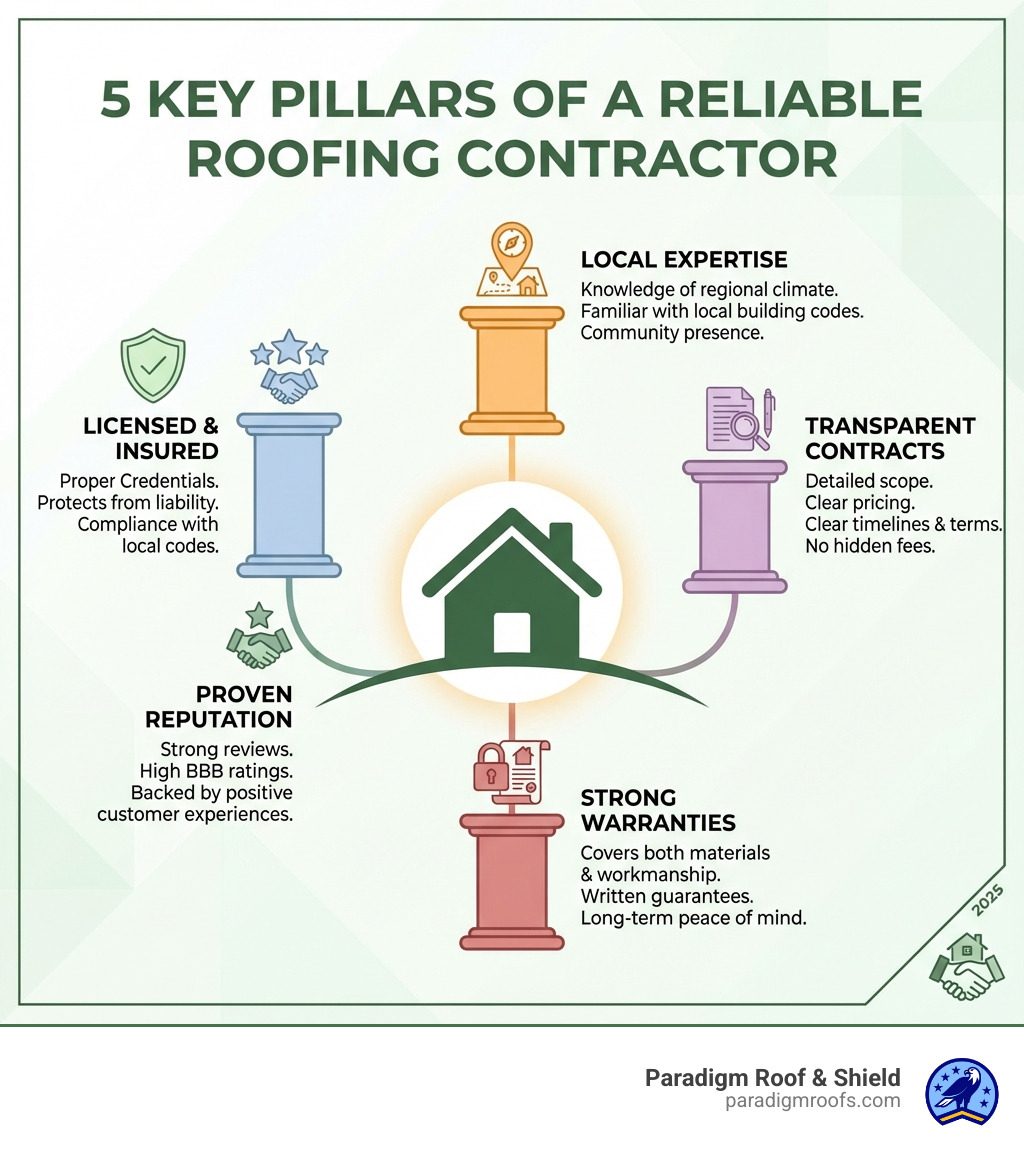
Key qualities of a reliable roofing contractor:
- Licensed and Insured – Protects you from liability and ensures compliance with local codes
- Proven Local Experience – Understands regional climate challenges and building regulations
- Strong Reputation – Backed by positive customer reviews and BBB ratings
- Transparent Communication – Provides detailed quotes and clear timelines
- Comprehensive Warranties – Offers both manufacturer and workmanship guarantees in writing
The wrong contractor can lead to shoddy work, subpar materials, and costly repairs down the line. The right one delivers peace of mind and a roof that lasts decades. For homeowners in Texas seeking exceptional craftsmanship, partnering with an expert roofing contractor is the first step toward a secure, long-term investment.
As Greg Hiltz, CEO and co-owner of Paradigm Roof & Shield, I’ve spent years in residential and commercial construction, and I know that finding a reliable roofing contractor is the single most important decision you’ll make for your home’s protection. This guide will walk you through the essential steps to filter out the noise and select a contractor you can trust.
Is Your Roof Crying for Help? 7 Telltale Signs You Need a Professional
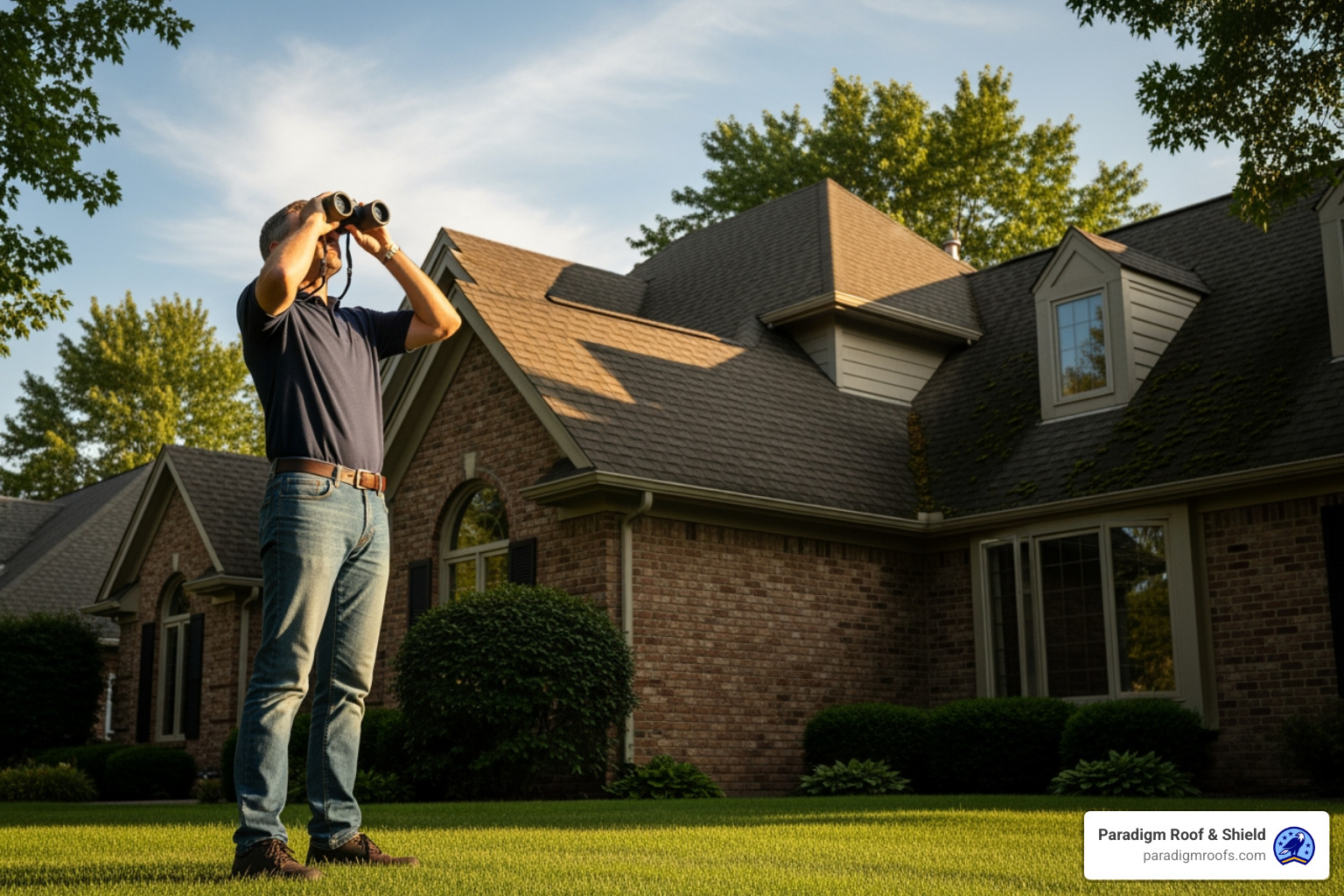
Before you even start your search, it’s crucial to know when to call in a professional. Ignoring early warning signs can lead to catastrophic damage and far more expensive repairs down the line. A professional inspection provides a clear assessment, but you can spot many issues from the ground. Your roof is your home’s main defense against the elements, and recognizing its “cries for help” can save you significant headaches and expenses.
Here are the telltale signs that your roof needs attention from a professional:
- Missing or Damaged Shingles: This is often the most obvious sign. High winds, hail, or even just old age can cause shingles to crack, curl, buckle, or blow off entirely. Each missing shingle is an open invitation for water damage.
- Damaged Flashing: Flashing is the metal or plastic installed around chimneys, vents, skylights, and along walls where the roof meets a vertical surface. If it’s cracked, bent, or rusted, it can allow water to seep into your home.
- Granules in Gutters: Asphalt shingles are coated with ceramic granules that protect them from the sun’s UV rays. If you find a significant amount of these granules collecting in your gutters, it indicates that your shingles are deteriorating and nearing the end of their lifespan.
- Water Stains on Ceiling or Walls: This is a definitive sign of a leak. While the stain might appear far from the actual leak point on the roof, it indicates water infiltration that needs immediate attention. Ignoring a leaky roof can lead to mold growth, damaged insulation, and compromised structural integrity.
- Sagging Roof Deck: If you notice any visible sagging or drooping in your roofline, especially in the valleys or between rafters, it’s a serious structural issue. This could be due to water damage, improper installation, or heavy loads, and requires urgent professional assessment.
- Mold or Algae Growth: Dark streaks or patches of mold and algae on your roof are not just an aesthetic problem. They can indicate moisture retention, which can lead to wood rot and shingle deterioration. While some algae are harmless, extensive growth can be a sign of underlying issues.
- An Old Roof: Even if you don’t see obvious damage, a roof simply wears out over time. Most asphalt shingle roofs last 20-25 years, while metal roofs can last 50+ years and tile roofs even longer. If your roof is nearing or past its expected lifespan, it’s wise to have a professional inspection to assess its condition.
Any of these signs could mean your roof is crying for help. A professional inspection can provide a clear assessment of roof needs, determining whether a minor repair is sufficient or if a full replacement is necessary. Don’t wait until a small problem becomes a major catastrophe.
For more detailed information on whether to repair or replace your roof, we encourage you to read our guide: More info about whether you should repair or replace your roof?.
The Core Four: Vetting Your Reliable Roofing Contractor
A contractor’s promises are only as good as their credentials. Over 60% of homeowners report that finding a trustworthy contractor is their biggest challenge. We understand that this decision can feel daunting, which is why we’re here to help you steer it with confidence. To protect your investment, every potential roofer must pass a thorough vetting process based on four key pillars of reliability. These pillars ensure you’re hiring a Reliable roofing contractor who upholds the highest standards of professionalism and quality.
1. Verify Licensing, Insurance, and Longevity
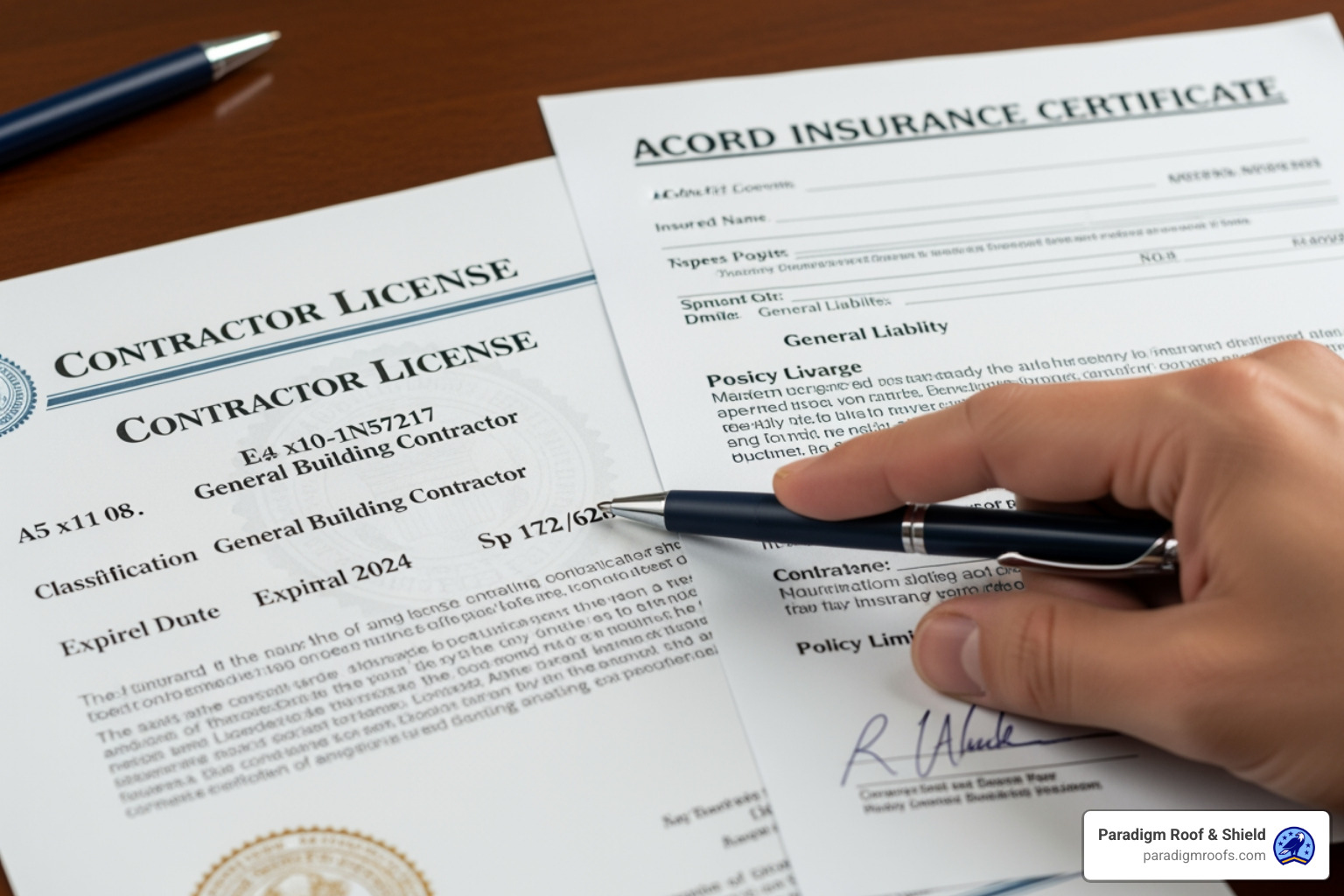
This is the absolute baseline for any contractor. Think of it as their professional birth certificate and safety net. A license proves they meet state and local standards, demonstrating their competency and adherence to building codes. In Texas and Florida, licensing requirements vary by municipality and type of work, so it’s crucial to verify your contractor holds the appropriate credentials for your specific project.
Equally important is insurance. A reputable contractor should carry both liability insurance and workers’ compensation. Liability insurance protects your property from damage that might occur during the project, while workers’ compensation covers their crew in case of an injury on your property. Without these, you, the homeowner, could be held liable for accidents or damages, turning your roofing project into a financial nightmare. Don’t hesitate to ask for current certificates of insurance and verify them directly with the insurer.
Beyond legal requirements, consider their longevity in the business. Five years of solid roofing experience is good, ten years is great, and 15+ years is excellent. Longevity in business indicates appropriate roofing knowledge, hands-on experience, and the ability to run a solid business. It means they’ve weathered economic shifts, learned from challenges, and, most importantly, they’ll likely still be around if you need them for future work or warranty claims. A contractor who’s been around for decades has a vested interest in maintaining their reputation within the community.
- Liability Insurance: Protects your property from damage.
- Workers’ Compensation: Covers the contractor’s employees in case of injury.
- State License Verification: Confirms legal authorization to operate.
- Years in Business: A strong indicator of stability and expertise.
2. Assess Their Reputation and Local Experience
A contractor’s reputation is their resume, spoken through the voices of their past clients. While a strong online presence is important, the true measure of a Reliable roofing contractor lies in what others say about their work and how they conduct their business. Look for ample positive customer reviews on independent platforms like Google and the Better Business Bureau (BBB). But don’t just count stars; examine how the company responds to negative reviews. Their response often reveals more about their accountability and customer service than the positive ones do. An A+ BBB rating is a strong indicator of a commitment to ethical business practices.
Local experience is paramount, especially in regions with diverse and challenging climates. A contractor familiar with local climate challenges—from the intense Texas heat and hail storms common in areas like McKinney, TX, to Florida’s hurricanes and humidity—will know the best materials and techniques for long-term durability. They’ll be well-versed in local building codes and regulations, ensuring your roof meets all necessary standards. This local knowledge also means they likely have established relationships with local suppliers, which can translate to better material availability and potentially quicker project completion.
- BBB Rating: Look for an A+ rating and how they handle complaints.
- Online Reviews: Check Google, Facebook, and other independent platforms.
- Customer Testimonials: Ask for references from recent projects.
- Portfolio of Local Work: Demonstrates familiarity with local challenges and aesthetics.
- Local Supplier Relationships: Often indicates established presence and efficient operations.
3. Scrutinize Their Digital Footprint and Communication
A professional company has a professional website. It should be more than a digital business card; it should be a resource. An informative website details qualifications, products used, installation processes, and may include manufacturer certifications and industry awards. It shows transparency and a commitment to educating their clients. Look for detailed service pages, photo galleries of past work, and clear contact information. A trustworthy roofer has nothing to hide and everything to gain from a transparent and helpful website.
Beyond the website, assess their communication style and responsiveness. Clear communication from the first call to the final invoice is a sign of professionalism. A Reliable roofing contractor will answer your questions thoroughly, provide a detailed scope of work, and offer realistic timelines in writing. If they’re difficult to reach, slow to respond, or vague in their answers during the initial stages, imagine how challenging communication might be once the project is underway. We believe that excellent communication ensures a smooth job and peace of mind throughout the entire process.
- Informative Website: Details qualifications, products, processes, and portfolio.
- Project Portfolio: Visual evidence of their craftsmanship.
- Transparent Contact Info: Easy to find phone numbers, email, and physical address.
- Responsiveness: Prompt and clear replies to inquiries.
- Clear Communication Style: Professional, respectful, and transparent throughout.
4. Demand Comprehensive, Written Warranties
A Reliable roofing contractor stands behind their work. This commitment is formalized through comprehensive warranties, which should always be provided in writing. You should expect two types of warranties:
- Manufacturer Warranty: This covers the roofing materials themselves (shingles, underlayment, flashing, etc.) against defects. Reputable manufacturers offer robust warranties that can last for decades.
- Workmanship Warranty: This covers the quality of the contractor’s installation. Even the best materials won’t perform if installed incorrectly. A strong workmanship warranty demonstrates the contractor’s confidence in their team’s skills.
Vague promises are a red flag; get every detail in writing. The warranty document should clearly state what is covered, for how long, and the process for making a claim. Ensure the warranty is transferable if you sell your home, as this can add significant value. A comprehensive warranty on both materials and labor shows that the contractor stands behind their work and is committed to customer satisfaction, providing you with long-term peace of mind. For example, some “50-year shingles” come with specific terms and conditions on their warranty that homeowners should understand.
- Workmanship Warranty: Covers the installation quality, typically 5-25 years.
- Manufacturer Warranty: Covers material defects, often 20-50 years.
- Comprehensive warranty details: Make sure you understand the terms and conditions. For example, do 50-year shingles really last 50 years? Find out more here: Comprehensive warranty details.
- Transferable Warranties: Adds value if you sell your home.
From Quote to Contract: Decoding the Project Details
Once you’ve shortlisted a few reputable contractors, the next phase involves comparing their proposals and understanding the fine print. This is where transparency and attention to detail separate the professionals from the amateurs. Your goal is not just the cheapest roof, but the best value for a lasting investment.
Why You Must Get Multiple, Detailed Quotes
Getting at least three written estimates is standard practice. This allows you to compare not just prices, but also the scope of work, materials, and professionalism. However, don’t just compare the bottom-line price. A dramatically low bid often signals subpar materials, rushed labor, or a lack of proper insurance, which can lead to costly problems down the road. Be wary of quotes that are significantly lower than others; they may indicate a contractor cutting corners.
A quality quote is a detailed scope of work, outlining every aspect of the project:
- Scope of Work: What exactly will be done? This includes tear-off (removal of old roof), decking repair, underlayment, flashing, ventilation, and cleanup.
- Material Brands and Types: Specifies the exact shingles, metal panels, or tiles to be used, along with their quality and color. For example, are they using GAF Timberline HDZ® shingles or a different brand? Are they providing high-quality underlayment?
- Project Timeline: An estimated start and completion date.
- Payment Schedule: Clearly outlines deposit requirements, progress payments, and final payment terms.
Comparing these details will help you understand what you’re truly getting for your money and avoid unexpected costs or disappointments.
Understanding the Contract and Red Flags
Your contract is a legally binding document that should protect both you and the contractor. It must detail every aspect of the project, from the specific materials being used (e.g., shingles, metal, or tile) to the cleanup process. Every detail, from the color of your new shingles to the type of metal or tile roofing chosen, should be explicitly written. This ensures there are no ambiguities or misunderstandings once work begins. A thorough contract should also include:
- Start and completion dates.
- Total cost and payment schedule.
- Specific materials to be used (brand, type, color).
- Detailed scope of work, including removal of old materials and disposal.
- Warranty information (both material and workmanship).
- Proof of insurance and licensing.
- A clause for change orders (how additional work will be approved and priced).
- Cleanup procedures.
Be aware of these common red flags that signal you might not be dealing with a Reliable roofing contractor:
- High-pressure sales tactics: A reputable contractor will give you time to review their proposal and answer all your questions without rushing you.
- Requests for large upfront cash payments: While a reasonable deposit (e.g., 10-30%) is common, be wary of contractors demanding 50% or more upfront, especially in cash. This could indicate financial instability or a scam.
- Vague or incomplete details in the quote or contract: Everything should be itemized and clearly explained. If something isn’t in writing, it likely won’t be done.
- No physical address or only a P.O. Box: This makes them hard to track down if issues arise. A local, established business will have a physical presence.
- Unwillingness to provide references or proof of insurance/licensing: These are non-negotiable requirements for a trustworthy contractor.
- “Storm chasers”: Be cautious of contractors who appear only after a major storm and pressure you into immediate repairs without proper inspection or documentation. They often lack local ties and disappear as quickly as they arrived.
Beyond the Basics: What Sets an Elite Contractor Apart
A good contractor will get the job done. A great one provides superior value, advanced options, and a seamless experience. These factors demonstrate a commitment to excellence and customer satisfaction that goes above and beyond the industry standard, distinguishing a truly elite and Reliable roofing contractor.
Manufacturer Certifications (e.g., GAF Master Elite®)
When a contractor holds top-tier manufacturer certifications, it’s a strong indicator of their expertise and commitment to quality. For instance, the GAF Master Elite® certification is earned by less than 2% of all roofing contractors nationwide. This elite status isn’t just a badge; it signifies that a roofer is:
- Properly licensed: They meet all state and local requirements.
- Adequately insured: They carry the necessary liability and workers’ compensation coverage.
- Has a proven reputation: Their business practices and customer satisfaction are vetted.
- Committed to ongoing professional training: They stay updated on the latest installation techniques and product advancements.
This rigorous vetting process ensures that a GAF Master Elite® certified contractor is a Reliable roofing contractor you can trust. Furthermore, this certification allows them to offer the strongest manufacturer warranties, such as GAF’s improved warranties. These can include coverage like the Golden Pledge® Limited Warranty, System Plus Limited Warranty, Silver Pledge™ Limited Warranty, and the Shingle & Accessories Limited Warranty, providing unparalleled protection for your investment.
To learn more about these comprehensive warranty options, you can refer to the official GAF documents:
- GAF Roofing System Limited Warranty
- GAF Shingle & Accessory Limited Warranty
- GAF System Plus Limited Warranty
- GAF Silver Pledge Limited Warranty
- GAF Golden Pledge Limited Warranty
Choosing a certified contractor ensures you get not only quality installation but also the peace of mind that comes with industry-leading warranty protection.
Assistance with Insurance Claims
Navigating an insurance claim after storm damage can be a complex and frustrating process. This is where an elite Reliable roofing contractor truly shines. They don’t just fix roofs; they act as your advocate. An experienced contractor can:
- Document Damage: Thoroughly inspect and document all storm-related damage with photos and detailed reports, ensuring nothing is missed.
- Meet with Adjusters: Act as your representative during adjuster meetings, providing expert opinions and ensuring the adjuster has all the necessary information for a fair assessment.
- Steer Paperwork: Assist you with the often-daunting insurance paperwork, ensuring all forms are correctly filled out and submitted on time.
- Claim Advocacy: Fight on your behalf if the insurance company’s initial offer is insufficient, providing additional evidence or clarification to ensure your claim is processed fairly and accurately.
Many homeowners have experienced the relief of having a contractor who can effectively communicate with insurance companies, ensuring their entire roof is replaced after significant damage from hail or wind, rather than just partial repairs. This level of support can save you significant time, stress, and money.
Innovative Solutions and Technology
Leading contractors accept innovation and leverage technology to provide superior service and results. This can range from offering advanced materials to using cutting-edge tools that improve the customer experience. These offerings show a forward-thinking approach to roofing, distinguishing a truly Reliable roofing contractor.
One significant innovation is the offering of Solar Roofing. Materials like Tesla Solar Roofs integrate solar technology directly into your roof, providing clean energy and reducing your reliance on traditional power sources. This not only saves you money on energy bills but also offers a durable, aesthetically pleasing roofing solution. Some advanced solar shingles, like GAF Timberline Solar, are even approved as standalone roof systems in some areas, offering the latest roofing technology that saves money on energy and blends seamlessly with asphalt shingle roofs.
Another technological advancement is the use of Home design visualization tools. These tools, like the Hover Home Design Tool, allow you to visualize your home’s change before any work begins. You can experiment with different colors, styles, and materials for your roofing, siding, and even paint, helping you make informed decisions and ensuring you love the final look.
Furthermore, advanced roofing materials are constantly evolving. Beyond traditional asphalt, metal, and tile, we see innovations in synthetic shingles, cool roof coatings that reflect sunlight, and eco-friendly options that improve energy efficiency and sustainability. Drone inspections are also becoming more common, offering a safe, fast, and comprehensive way to assess roof damage and condition. These technologies not only improve the quality and efficiency of the work but also improve the overall customer experience.
Frequently Asked Questions About Hiring a Roofer
We understand that you might have more questions when starting on a roofing project. Here are some of the most common inquiries we receive:
How long does a typical roof replacement take?
For an average-sized residential home, a full roof replacement typically takes anywhere from one to three days. This duration can vary depending on several factors, including the complexity of the roof’s design, its size, the type of materials being installed, and prevailing weather conditions. Larger or more intricate projects, or those requiring extensive decking repair, may take longer. Our professional crews work efficiently to minimize disruption to your household, often completing the job in a single day, as demonstrated by companies with extensive experience and streamlined processes.
Do reliable roofing contractors offer ongoing maintenance?
Yes, many top-tier contractors, including us, offer maintenance plans or services. Regular roof maintenance is essential to ensure the longevity and functionality of your roof. These services often include inspections, cleaning of debris, and minor repairs. Proactive maintenance helps identify small issues like loose shingles or clogged gutters before they escalate into major, costly problems, maximizing your roof’s lifespan and protecting your investment.
What roofing material is best for my climate?
The ideal roofing material depends heavily on your local climate and specific environmental challenges. For instance:
- Hot Climates (like much of Texas and Florida): Materials with high solar reflectance and thermal emittance are highly recommended. Light-colored metal roofs, white membrane roofs (for flat or low-slope applications), and specially designed “cool” asphalt shingles can help reflect sunlight, reduce heat absorption, and lower your home’s cooling costs. Tile roofing is also excellent for heat resistance.
- Areas with Heavy Rainfall (common in Florida): Materials with excellent water resistance are crucial. Asphalt shingles and clay or concrete tiles are popular choices. Proper installation with robust underlayment and flashing is paramount to prevent leaks.
- Regions Prone to High Winds (coastal Florida, storm-prone Texas): Interlocking shingles, metal roofing, and certain types of tile are more resistant to wind uplift. Ensuring the materials are rated for high-wind zones is important.
- Hail-prone Areas (parts of Texas): Impact-resistant shingles (often rated Class 4) or metal roofs can withstand hail damage much better than standard shingles.
Choosing the right material involves balancing durability, cost, aesthetics, and energy efficiency for your specific climate. For a detailed breakdown of options suitable for our region, see our guide on the best roofing materials for the Dallas-Fort Worth area climate.
Your Partner for a Secure and Lasting Roof
Choosing a Reliable roofing contractor is the most critical decision you’ll make for the longevity and safety of your roof. By focusing on the core four—credentials, reputation, communication, and warranties—and looking for elite differentiators like top-tier certifications and innovative solutions, you can confidently select a partner for your project. A solid roof begins with a solid choice.
At Paradigm Roof & Shield, our veteran-led team is built on a foundation of craftsmanship, integrity, and a commitment to technical excellence. We believe in providing not just a service, but a lasting solution that protects your home and family. Our dedication extends to our support for fellow veterans, ensuring our values are reflected in every project we undertake.
We are proud to serve homeowners across McKinney, Houston, and Neptune Beach, bringing our expertise and commitment to quality to your community. If you’re ready to explore the future of roofing with unparalleled durability and energy independence, learn more about our innovative Tesla Solar powered roof tiles and how we can transform your home. Contact us today for a free estimate and experience the Paradigm difference by filling out our online form on our Contact Us page.