

Roof Inspections Near Me
- Texas & Florida -
Protect Your Roof. Protect Your Home.
When you search for “roof inspection near me,” you’re not just looking for someone to climb a ladder — you want a certified roofing professional who can identify issues early, prevent costly damage, and help you make confident decisions about your home.
At Paradigm Roof+Shield, our expert roof inspectors use advanced technology and years of experience to deliver thorough, transparent roof evaluations — for homeowners who want more than a quick glance.
Why Regular Roof Inspections Matter
🧰 Certified Roof Inspectors: Our licensed experts follow strict inspection protocols and safety standards.
🔍 Detailed Roof Assessments: We check every layer — shingles, flashing, underlayment, decking, and ventilation.
🧾 Comprehensive Reports: You’ll receive a clear, photo-documented report outlining your roof’s condition, repairs needed, and lifespan expectations
🌧️ Storm & Insurance Inspections: Get expert help identifying storm damage and filing accurate insurance claims.
🏠 Preventative Care: Catch small problems before they become major leaks or structural issues.
200+ 5 Star Reviews
What Our Roof Inspection Covers
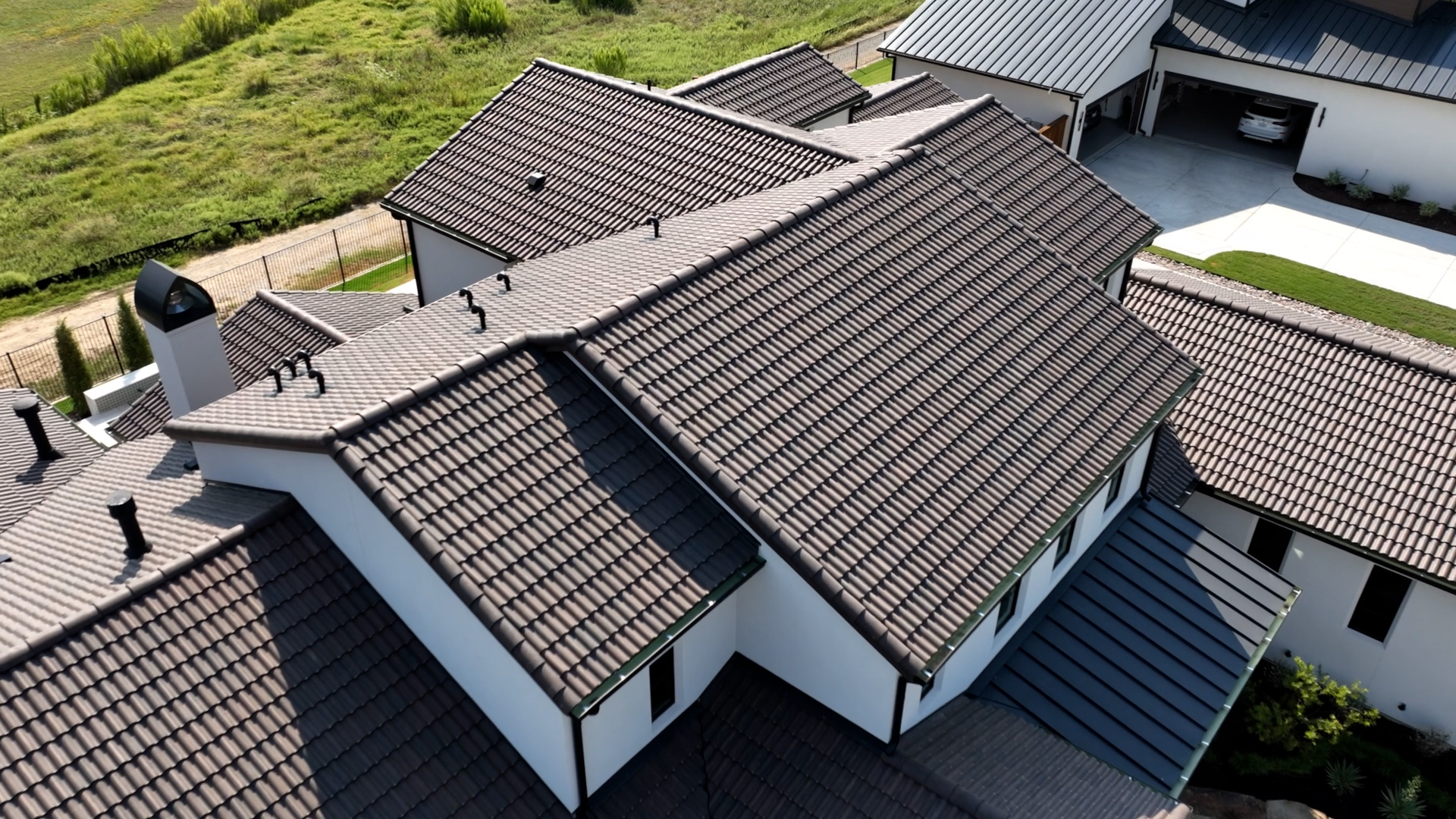
- Roof surface and shingles: We look for missing, lifted, or creased shingles, granule loss, blistering, and other signs of wear. On metal roofs we note dents, coating wear, and loose fasteners. On tile roofs we check for cracked or slipped pieces.
- Flashing and transitions: Flashing around chimneys, sidewalls, headwalls, skylights, and valleys is a common leak source.
- Penetrations and pipe boots: Plumbing vents, exhaust vents, satellite mounts, and other penetrations get close attention.
- Gutters and roof drainage: Gutters, downspouts, and drip edge work together to move water off the roof and away from the foundation.
- Attic and ventilation: When safe to access, we inspect the attic for stains, damp insulation, rusted fasteners, and signs of poor airflow.
- Decking and structure indicators: From the attic we look for darkened sheathing, soft spots, or prior repair areas.


Who Benefits Most from Roof Maintenance Plans?
- Homeowners in hail and storm exposed neighborhoods who want to track roof condition from season to season instead of waiting for visible leaks.
- Owners of older roofs who want to extend service life safely while planning ahead for replacement.
- New homeowners who want a baseline assessment after purchase so there are no surprises in the first few years.
- Busy households that want a trusted local roofing contractor to monitor roof condition on a set schedule instead of handling it themselves.
Common Roof Problems We Catch Early
Many of the issues we find during roof inspection and maintenance start small. When addressed early, they are manageable. Left alone, they can lead to leaks and structural damage. Some of the most common problems include:
- Cracked or shrinking pipe boots: Rubber collars around plumbing vents dry out over time. Small cracks can let water track down the pipe and into the attic.
- Loose or short flashing at walls and chimneys: If step flashing or headwall flashing does not extend far enough or is lapped in the wrong direction, water can get behind siding and show up as interior stains.
- Valley and low slope issues: Valleys collect a high volume of water. Reversed underlayment laps, damaged valley metal, or debris buildup can let water slip under the surface. Low slope sections that tie into steeper roofs need special care at transitions.
- Nail pops and lifted shingles: When deck movement or fastener pull out lifts shingles, it breaks the seal that keeps water out during wind driven rain. We reset or replace affected shingles before they turn into leak points.
- Gutter overflow and edge damage: Clogged gutters can back water up under the first course of shingles, leading to fascia rot and soffit damage. During maintenance we often clear minor debris and note where more serious gutter work is needed.
- Ventilation and moisture problems: Blocked soffit vents, missing baffles, or undersized exhaust vents trap heat and moisture in the attic. Over time this can shorten shingle life and raise the risk of mold or mildew.
Catching these patterns early helps extend the life of your current roof and gives you more control over when to budget for a future replacement.
Roof Maintenance Plans and Visit Types
Different homes need different levels of maintenance. For residential clients we commonly recommend:
- Annual maintenance visit: A once a year inspection and tune up for roofs in good overall condition. We check key details, seal small gaps, and clean minor debris so the system stays on track.
- Semi annual inspections: Two visits per year, often scheduled around spring storm season and late fall. These are a good fit for older roofs, homes in heavily treed neighborhoods, or properties that have already seen hail or wind damage.
- Post storm inspections: Focused visits after a major hail or wind event. We look for new damage, document findings, and explain whether repairs or roof replacement should be considered.
- Real estate and insurance related inspections: When you are buying or selling a home, or your insurance carrier requests documentation, we can provide written roof inspection reports with photos and clear descriptions of current conditions.
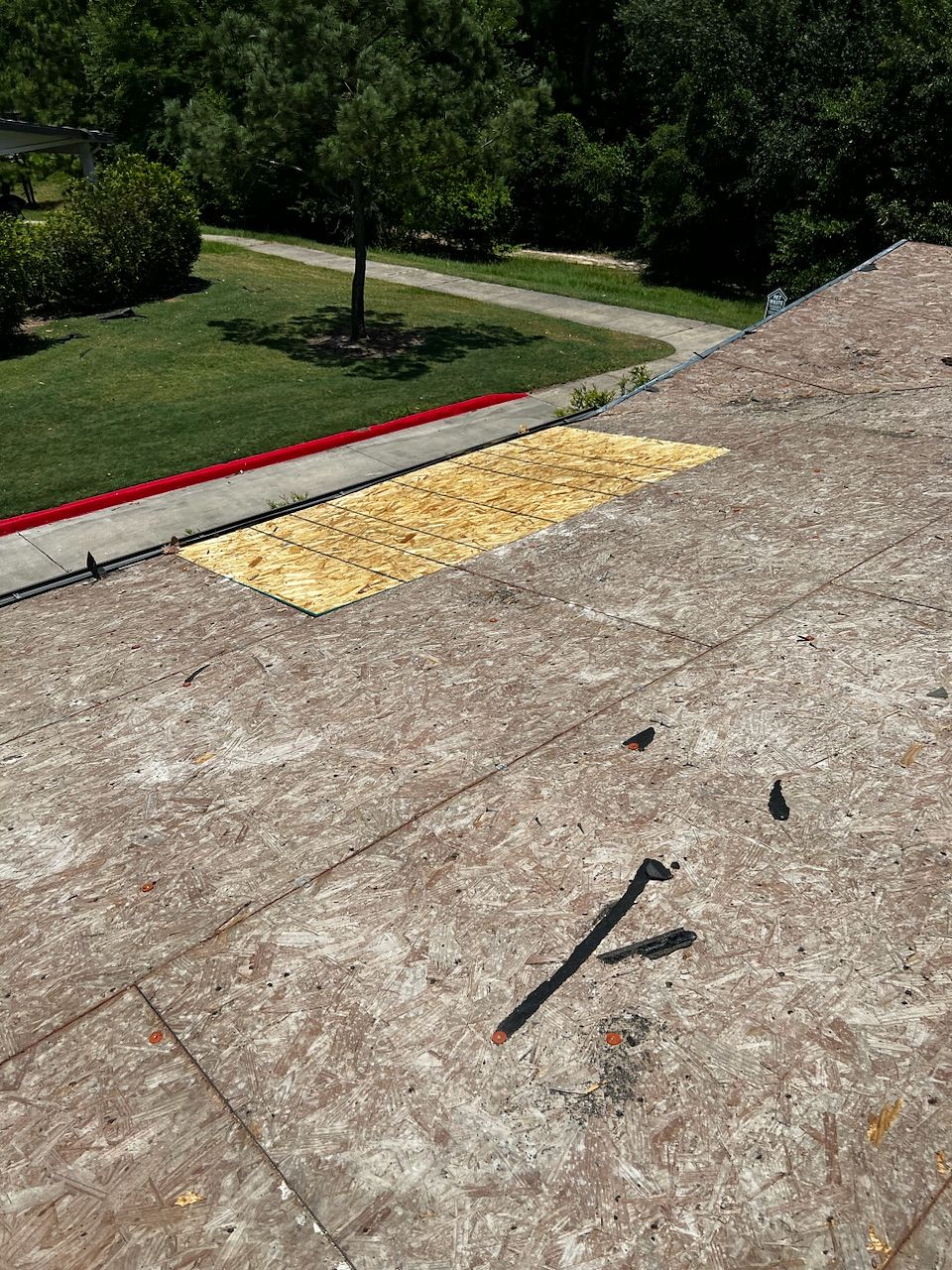

Roof Inspection Reports and Documentation
Good information helps you make better decisions about your home. After a roof inspection and maintenance visit you can expect:
- A summary of overall roof condition by slope or area
- Photos that show specific issues and reference points
- Notes on shingles, flashing, penetrations, gutters, and ventilation
- Recommended repairs or adjustments, if any
- An outline of how much service life the roof appears to have left in general terms
These records are helpful when you speak with contractors, insurance carriers, or future buyers. For seasonal checklists and homeowner tips, you can review guidance from the National Roofing Contractors Association and browse our roofing blog. They show that the roof has been inspected regularly and that any problems have been addressed as they appear.
Our Roof Inspection and Maintenance Process
We use a simple, repeatable process so you always know what to expect from a visit.
- Schedule and goals: You share your concerns, roof age, and whether this is a routine inspection, post storm visit, or follow up on a specific issue.
- Exterior walk around: We examine the roof from the ground first, looking at overall condition, drainage patterns, and any visible problem areas, then move to the roof surface when it is safe to do so.
- Roof surface and detail inspection: We check shingles or panels, flashings, penetrations, and edges across all accessible roof faces. We also review skylights, chimneys, and low slope tie ins.
- Attic review when accessible: From inside we look for water staining, damp insulation, and ventilation issues. This view often reveals moisture paths that are not obvious from the outside.
- Minor maintenance during the visit: When appropriate, we seal small gaps, secure loose fasteners, clear localized debris, and correct simple issues that can be handled on the spot.
- Findings, photos, and recommendations: We review key photos and explain which items are urgent, which are moderate, and which can be monitored. You receive a clear summary you can save for your records.
- Plan for repairs or future work: If repairs are needed, we outline scope and timing. If the roof is approaching end of life, we discuss options for planning a future roof installation instead of reacting to repeated leaks.
This process is the same whether your roof is a few years old or near the end of its typical lifespan. The difference is in the recommendations we make based on what we find.
Roof Inspection & Maintenance At A Glance
Aspect | Details |
Typical visit type | Annual, semi annual, post storm, or real estate / insurance inspections |
Common issues found | Granule loss, nail pops, flashing gaps, pipe boot cracks, gutter and ventilation issues |
Ideal frequency | Once per year for most roofs, plus an extra check after major hail or wind events |
Best candidates for plans | Older roofs, storm exposed neighborhoods, homes with trees over the roof |
Main homeowner benefit | Fewer surprise leaks and better planning for future roof replacement |
Recommended next step | Schedule a documented inspection and keep the report with your home records |
Call Today to Schedule Your Roof Inspection
Whether you’re buying a home, preparing for storm season, or simply staying proactive, a professional roof inspection from Paradigm Roof+Shield gives you peace of mind — and proof that your roof is doing its job.
Related pages: • Roof repair • Roof leak detection • Emergency roof repair • Roof replacement • Roof installation • Shingles • Metal roofing • Tile roofing
Our Texas Locations
Paradigm Roof+Shield – McKinney, TX
901 N. McDonald Street, Ste 1003
McKinney, TX 75069
(972) 542‑7774 | McKinney TX
Paradigm Roof+Shield – Dallas, TX
10440 North Central Expressway, Suite 279
Dallas, TX 75231
(972) 542‑7774 | Dallas TX
Paradigm Roof+Shield – Fort Worth, TX
9500 Ray White Rd., Suite 200
Fort Worth, TX 76244
(972) 542‑7774 | Fort Worth TX
Paradigm Roof+Shield – Houston, TX
1400 Broadfield Blvd Ste 200, Houston, TX 77084
(346) 355–4550 | Houston TX
Paradigm Roof+Shield – Austin, TX
601 Quail Valley Dr.
Georgetown, Texas 78626
972-542-7774 | Austin TX
Our Florida Locations
Paradigm Roof+Shield – Jacksonville FL
2300 Marsh Point Road, Suite 200
Neptune Beach, Florida 32266
(904) 257-1827 | Jacksonville FL
Paradigm Roof+Shield – Jacksonville FL
2300 Marsh Point Road, Suite 200
Neptune Beach, Florida 32266
(904) 257-1827 | Jacksonville FL
Frequently Asked Questions
Most homeowners benefit from at least one inspection per year, with an extra visit after major hail or wind events, and may also need emergency roof repair when storms cause sudden damage. Older roofs or properties with heavy tree cover may need semi annual checks.
Yes. Many roof problems show up long before interior leaks appear, which is why pairing regular inspections with targeted roof leak detection when you see stains or damp spots is so important. Annual inspections help you catch small issues early and understand where your roof is in its life cycle.
When we find small issues that can be corrected on the spot, such as a loose shingle or cracked sealant at a vent, we often address them during the same visit and note them in our report.
While no contractor can promise a specific number of years, keeping flashings, penetrations, and drainage in good condition can help your roof reach the upper end of its typical service range.
Detailed photos and written findings from a professional inspection can support conversations with your insurance carrier about storm related damage. We focus on the roof’s condition; you and your carrier decide how to handle any claim.