

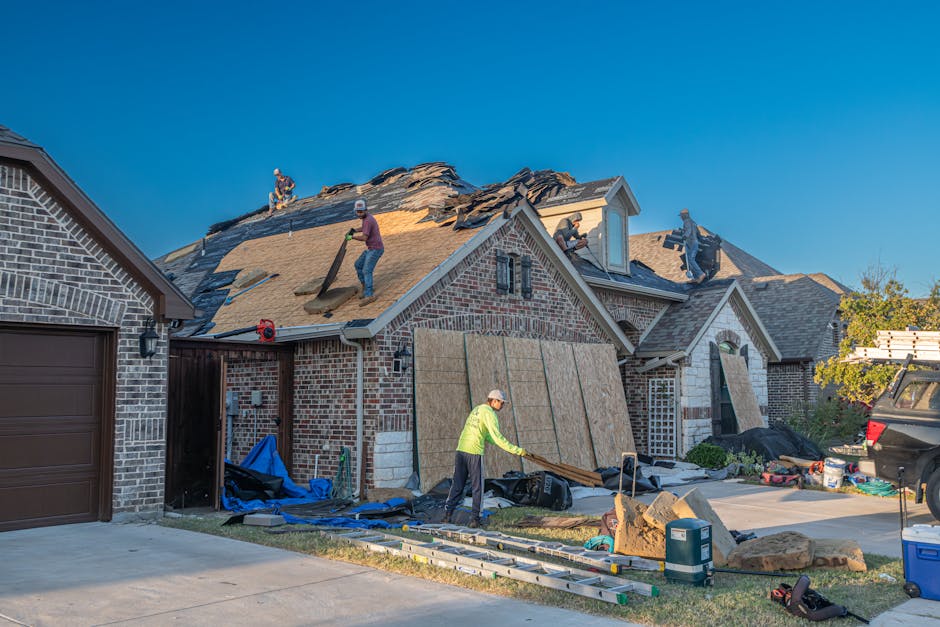
Understanding What You’ll Really Pay for a New Roof
Roof replacement cost is one of the biggest home improvement expenses you’ll face as a homeowner—and one of the most important. The national average is $9,522, but actual costs range widely from $5,868 to over $45,000 depending on your home’s size, location, and the materials you choose.
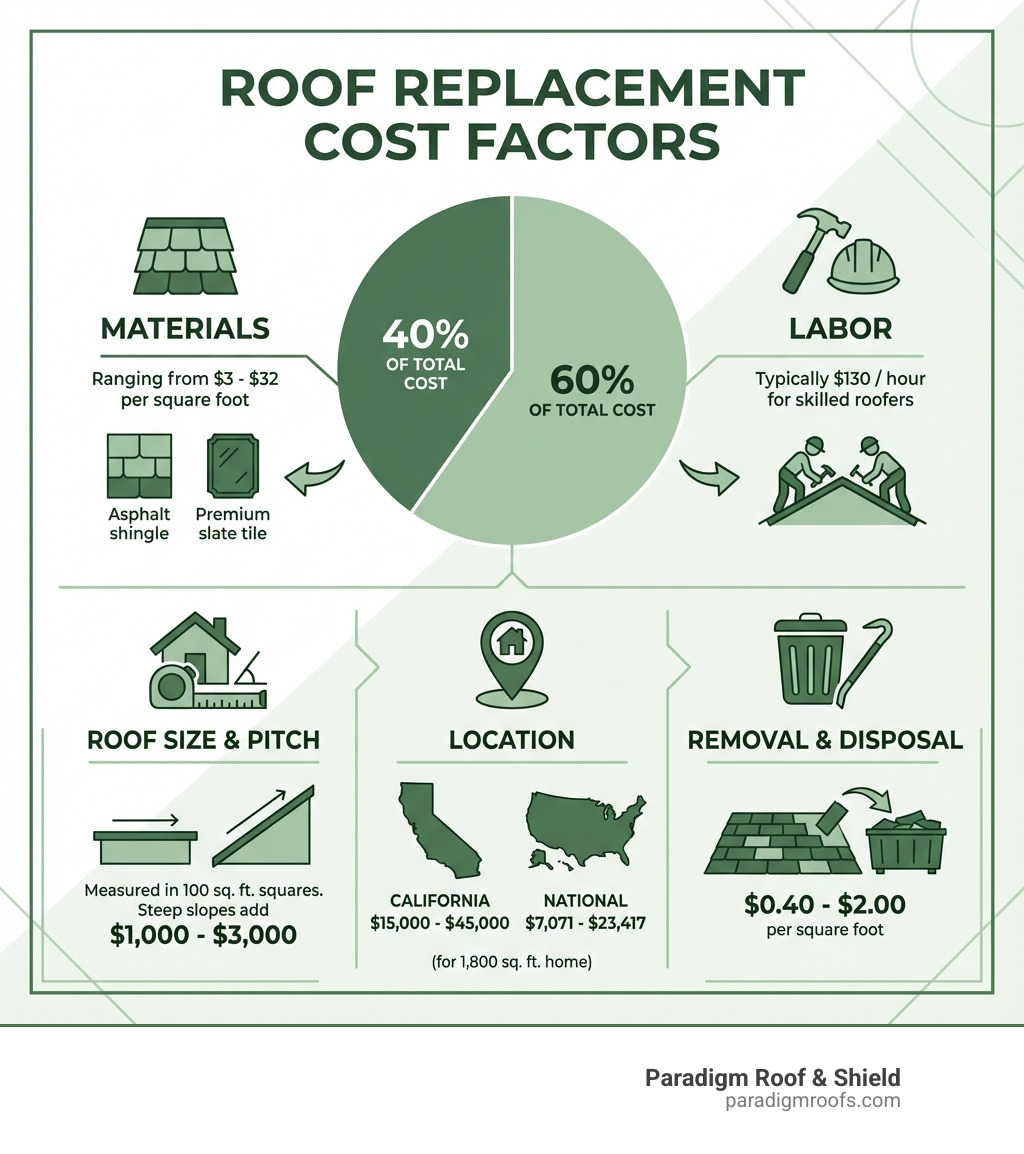
Here’s what drives your roof replacement cost:
- Materials (40% of cost): Asphalt shingles ($3-$7/sq. ft.) to premium slate ($23-$32/sq. ft.)
- Labor (60% of cost): Typically $130/hour for skilled roofers
- Roof Size: Measured in “squares” (100 sq. ft. each); average homes need 17-30 squares
- Roof Pitch: Steep slopes add $1,000-$3,000 in safety equipment and labor
- Location: California costs run $15,000-$45,000 vs. $7,071-$23,417 nationally for an 1,800 sq. ft. home
- Removal & Disposal: Tear-off adds $0.40-$2.00 per square foot
- Permits & Inspections: $100-$1,400 depending on your municipality
Understanding these factors helps you budget realistically and avoid surprises. Whether you’re dealing with storm damage, an aging roof, or planning ahead, knowing what influences your final roof replacement cost puts you in control.
I’m Greg Hiltz, CEO of Paradigm Roof & Shield, and I’ve spent my career helping Texas homeowners steer complex construction decisions, including understanding roof replacement cost factors that protect their investments. After 15 years managing residential construction projects and now leading a company committed to transparency and technical excellence, I’ve seen how proper planning and clear information transform stressful roofing projects into confident decisions.
National vs. Local: What’s the Average Roof Replacement Cost?
The journey to understanding your roof replacement cost often begins with national averages, which provide a helpful benchmark. The typical range for a roof replacement across the U.S. is between $5,868 and $13,214, with the national average hovering around $9,522. For a standard 1,800-square-foot house, this can translate to anywhere from $7,071 to $23,417, averaging about $9,199.
However, these are just starting points. When we look closer at specific regions where we serve, such as Houston, McKinney, or Neptune Beach, local market conditions, specific material availability, and regional labor rates play a significant role. For instance, homes in coastal areas like Neptune Beach, FL, might require materials with higher wind resistance, or homes in hot climates like Houston and McKinney, TX, might benefit from energy-efficient “cool roof” options, all of which can influence the final price.
Let’s consider the size of your home. The national average cost to replace a roof on an 1,800-square-foot house ranges from $7,071 to $23,417. Interestingly, the number of stories in your house can also impact the cost. For example, a two-story, 1,800-square-foot house roof replacement averages $6,695, which is often less expensive than the $12,995 for a single-story home of the same size. This is because two-story homes often have a smaller roof footprint compared to a single-story home with the same living space.
It’s also crucial to distinguish between a roof replacement and a roof repair. While repairs can be significantly cheaper, averaging between $379 and $1,763, they are typically a temporary fix for localized issues. If you notice widespread damage, multiple leaks, or your roof is simply nearing the end of its lifespan, a full replacement becomes a necessity. Ignoring these signs can lead to much more costly structural damage down the line. A new roof can last from a couple of decades to even longer depending on the roofing material chosen. However, if you notice certain issues, it may be time to repair or replace your roof.

Deconstructing the Price Tag: 9 Factors That Drive Your Roof Replacement Cost
Understanding what goes into your roof replacement cost is like looking at a carefully balanced equation. There are many variables, but the two biggest components are always materials and labor.
Labor vs. Materials: The 60/40 Split
When we break down the price tag for a roof replacement, it generally falls into two basic parts: 40 percent for materials and 60 percent for labor. This means that for every dollar you spend, a significant portion goes towards the expertise and effort required to safely and correctly install your new roof. Our team takes immense pride in their craftsmanship, understanding that proper installation is just as critical as the quality of the materials themselves. As the experts at Bankrate highlight, the price tag for replacing a roof breaks down into two basic parts: 40 percent materials and 60 percent labor. Skilled roofers typically command around $130 per hour, while general laborers might be around $35 per hour.
Location Impact: Where You Live Matters
Your home’s location significantly influences your roof replacement cost. Factors like the local cost of living, regional climate demands, and even the availability of skilled labor can cause prices to fluctuate. For instance, in areas prone to specific weather events, like hurricanes in Neptune Beach, FL, or intense summer heat in Houston and McKinney, TX, homeowners might opt for more durable or energy-efficient materials, which can come at a higher price point. Local building codes, which we’ll discuss shortly, also play a major role, dictating material requirements and installation standards.

How Roof Size, Pitch, and Stories Affect Your Roof Replacement Cost
The physical characteristics of your roof are fundamental determinants of its replacement cost.
- Roof Size: Roofing professionals measure roofs in “squares,” where one square equals 100 square feet of roof area. The average U.S. home has a roof around 1,700 square feet, which translates to 17 squares. The total cost is often estimated per square foot, ranging from approximately $4.35 to $11, but this can vary widely based on material and complexity.
- Roof Pitch: This refers to the steepness of your roof. A steeper pitch means more challenging, time-consuming, and potentially hazardous work for our crews. This often requires additional safety equipment, specialized staging, and more careful material handling, adding to labor costs. For unusually steep roofs, you might see an extra $1,000 to $3,000 added to the total project cost.
- Number of Stories: While it might seem counterintuitive, two-story homes sometimes have smaller roof footprints than sprawling single-story houses of the same square footage. This can occasionally make them cheaper to re-roof because less material and less extensive scaffolding might be needed. However, increased height still adds complexity and safety considerations for our team.
The Hidden Costs: Removal, Permits, and Additional Materials
Beyond the primary materials and labor, several other factors contribute to the final roof replacement cost. These are often overlooked but are essential for a complete and compliant job.
- Tear-off vs. Overlay: This is a critical decision.
- A full tear-off involves removing all existing roofing materials down to the roof deck. While this costs more upfront (typically $1 to $5 per square foot for removal), we highly recommend it. It allows our team to thoroughly inspect the roof deck for any damage, rot, or structural issues that need addressing before installing the new roof. This ensures a solid foundation and prevents future problems.
- An overlay (or re-roof) involves installing new shingles directly over existing ones. This is cheaper initially, but it can void manufacturer warranties, add unnecessary weight to your structure, and hide underlying issues that could lead to premature failure of your new roof. Most cities and counties allow only two or three layers of shingles.
- Removal & Disposal: If a tear-off is necessary, the old roofing materials need to be removed and disposed of properly. This process can cost between $0.40 and $2.00 per square foot, depending on the material and local disposal fees. This cost often includes dumpster rental and hauling services.
- Additional Materials: A new roof isn’t just shingles. Many other components are crucial for its integrity and longevity:
- Decking Replacement: If the existing roof deck is damaged or rotten, it will need to be replaced, costing approximately $2.20 to $3.00 per square foot.
- Underlayment: This protective layer beneath your roofing material adds an extra barrier against moisture. New underlayment costs around $1.50 to $2.10 per square foot.
- Flashing: Essential for waterproofing around chimneys, skylights, and vents, flashing can cost $9.00 to $11.00 per foot to replace. Pipe boots, which seal around vent pipes, typically run $63.00 to $85.00 each.
- Vents: Proper attic ventilation is crucial for extending roof life and improving energy efficiency. Replacing or adding vents will be an additional cost.
- Permits & Inspections: Most municipalities in our service areas of Houston, McKinney, and Neptune Beach require permits for full roof replacements and any structural changes. Permit costs can range significantly, from $100 to $1,400, depending on local regulations. After installation, a final inspection ensures the work meets local building codes and standards. We handle all the necessary paperwork and coordination for permits and inspections, ensuring your project is fully compliant.
- Warranties: Investing in a new roof also means investing in peace of mind. Both contractor and manufacturer warranties protect your investment. While some warranties are included, improved coverage can be an added cost. Contractor warranties, covering workmanship, can range from $500 to $2,000, and extended manufacturer warranties for materials can range from $500 to upwards of $5,000. We always discuss warranty options transparently so you understand your coverage.
Choosing Your Armor: How Roofing Materials Impact Cost and Longevity
The type of roofing material you choose is one of the most significant factors in determining your overall roof replacement cost and how long your roof will last. Each material offers a unique balance of aesthetics, durability, and price point.
| Material Type | Cost per Sq. Ft. (National Average) | Lifespan (Years) | Key Pros | Key Cons |
|---|---|---|---|---|
| Asphalt Shingles | $3.40 – $5.95 | 15-30 | Most affordable, wide variety of colors/styles, relatively easy to install. | Shorter lifespan than other materials, less durable in extreme weather. |
| Metal Roofing | $6.00 – $24.50 | 40-70 | Extremely durable, energy-efficient, resistant to fire/wind, long lifespan, low maintenance. | Higher upfront cost, can be noisy during rain/hail, fewer style options than asphalt. |
| Tile (Clay/Concrete) | $6.30 – $12.30 | 50-100 | Very durable, fire-resistant, excellent aesthetic appeal, long lifespan. | Heavy (may require structural reinforcement), higher upfront cost, prone to breakage if walked on. |
| Wooden Shakes/Shingles | $6.00 – $9.15 | 20-25 | Natural, rustic aesthetic, good insulation properties. | Requires regular maintenance, susceptible to rot/insects/fire, shorter lifespan. |
| Slate Roofing | $23.49 – $31.77 | 125-200 | Unparalleled longevity, natural beauty, highly durable, fire-resistant. | Highest upfront cost, extremely heavy (requires structural reinforcement), difficult to install, brittle. |
| Synthetic Roofing | $5.00 – $12.00 | 30-50+ | Mimics natural materials, lightweight, durable, often fire-rated, low maintenance, resistant to rot/insects. | Can be more expensive than asphalt, aesthetic preference. |
The Most Common Choice: Asphalt Shingle Roof Replacement Cost
Asphalt shingles remain the undisputed champion of residential roofing, and for good reason. They are the most common roofing material in the U.S. due to their excellent balance of affordability, versatility, and performance. We find them to be a popular choice in Houston, McKinney, and Neptune Beach.
- Cost: Replacing a roof with asphalt shingles can cost anywhere from $5,840 to $10,100 for an average 1,700 sq. ft. roof. Per square foot, roofing companies typically charge $3.50 to $6.00.
- Lifespan: You can expect an asphalt shingle roof to last between 15 to 30 years, depending on the quality of the shingle (e.g., 3-tab vs. architectural) and proper maintenance.
- Benefits: Asphalt shingles come in a vast array of colors and styles, including architectural shingles that mimic the look of more expensive materials like wood shakes or slate. They are relatively lightweight and easy to install, contributing to lower labor costs compared to heavier materials.
Durable and Modern: Metal, Tile, and Slate Costs
For homeowners prioritizing longevity, durability, and a distinct aesthetic, metal, tile, and slate offer premium options.
- Metal Roofing: Metal roofs are gaining significant traction, especially in areas like Neptune Beach, FL, where resistance to wind and severe weather is paramount. They are incredibly durable and energy-efficient.
- Cost: Replacing a roof with metal roofing can range from $10,245 to $41,640 for an average 1,700 sq. ft. roof. Per square foot, costs typically fall between $6.00 and $24.50.
- Lifespan: Expect a metal roof to last an impressive 40 to 70 years, with some systems lasting even longer.
- Benefits: Metal roofs are resistant to leaks and wind uplift, and their durability against the elements makes them ideal for storm-prone regions. As the Freedonia Group notes, metal roofs are expected to grow in popularity due to their resistance to leaks and wind uplift. They can also reflect solar radiant heat, leading to significant energy savings in hot climates like Houston and McKinney.
- Tile Roofing (Clay or Concrete): Tile roofs offer a classic, neat look and are particularly well-suited for hot climates due to their thermal mass.
- Cost: Replacing a roof with tile roofing can cost between $10,665 and $20,900 for an average 1,700 sq. ft. roof. Per square foot, expect to pay $6.30 to $12.30.
- Lifespan: With proper installation and maintenance, tile roofs can last an exceptional 50 to 100 years.
- Benefits: Tiles are extremely durable, fire-resistant, and offer excellent aesthetic appeal. However, they are very heavy and may require structural reinforcement to support their weight, adding to the overall roof replacement cost.
- Slate Roofing: The pinnacle of roofing materials, slate offers best longevity and a distinctive, natural beauty.
- Cost: This is a premium investment, with costs for a 1,700 sq. ft. roof ranging from $39,925 to $54,020. Per square foot, you’re looking at $23.49 to $31.77.
- Lifespan: A slate roof can last an astounding 125 to 200 years, often outliving the home it protects.
- Benefits: Slate is incredibly durable, fire-resistant, and adds significant curb appeal and value to any home.
Other Options: Wood and Synthetic Shakes
Beyond the most common materials, wood and synthetic shakes provide alternative aesthetic and performance profiles.
- Wood Shakes: For a natural, rustic appearance, wood shakes and shingles are a beautiful choice.
- Cost: Replacing a roof with wooden shakes and shingles can cost between $10,230 and $15,500 for an average 1,700 sq. ft. roof. Per square foot, expect to pay $6.00 to $9.15.
- Lifespan: Typically, wood shakes last 20 to 25 years.
- Benefits: They offer good insulation properties and a unique aesthetic.
- Considerations: Wood shakes require more regular maintenance than other materials and can be susceptible to rot, insect damage, and fire, which might be a concern in some areas.
- Synthetic Roofing: These innovative materials are designed to mimic the look of natural slate or wood shakes without the associated drawbacks.
- Cost: Synthetic roofing costs approximately $5.00 to $12.00 per square foot.
- Lifespan: Many synthetic options come with impressive warranties, often lasting 30 to 50+ years.
- Benefits: Synthetic materials are lightweight, durable, often have a Class A fire rating, and are resistant to impact, rot, and algae growth. This makes them a fantastic option for achieving a high-end look with lower maintenance and often a more manageable roof replacement cost than their natural counterparts.
Timing, Trends, and ROI: Is a New Roof a Good Investment?
Replacing your roof is a significant investment, but it’s one that consistently pays dividends in terms of protection, home value, and peace of mind.
Signs You Need a Replacement
How do you know it’s time to take the plunge? We advise our clients in Houston, McKinney, and Neptune Beach to look for these common indicators:
- Curled, Cracked, or Missing Shingles: These are clear signs of wear and tear, compromising your roof’s protective barrier.
- Bald Spots: If you see areas where shingle granules are gone, exposing the asphalt, your roof is losing its UV protection and nearing the end of its life.
- Visible Leaks or Water Stains: Any signs of water intrusion in your attic, ceiling, or walls mean your roof’s integrity is compromised and immediate action is needed.
- An Aging Roof: Most roofing materials have a finite lifespan. If your asphalt shingle roof is over 20 years old, it’s likely time for an inspection and replacement. As Nationwide’s blog points out, if you notice certain issues, it may be time to repair or replace your roof.
Return on Investment (ROI)
While a new roof might not offer the highest immediate return on investment compared to, say, a kitchen remodel, it’s a foundational upgrade that significantly boosts your home’s value and appeal. A new roof is a major selling point for any home. According to Remodeling’s “2023 Cost vs Value Report,” an asphalt shingle replacement can recoup nearly 61% of its cost at resale. Beyond the monetary return, a new roof prevents costly water damage, improves energy efficiency, and gives you invaluable peace of mind.
Emerging Trends
The roofing industry is constantly evolving, with new technologies and materials offering improved performance and sustainability.
- Solar Roofing: Integrated solar shingles are becoming increasingly popular, combining energy generation with roof protection. Companies like GAF and CertainTeed offer innovative solar roofing options that blend seamlessly with your home’s aesthetic.
- “Cool” Roofs: These reflective roofs are designed to absorb less heat and reflect more sunlight, significantly reducing the amount of heat transferred into your home. This is particularly beneficial in hot climates like Houston and McKinney.
Solar Roofs & Tax Credits
If you’re considering solar roofing, now is an excellent time to invest. Homeowners may be eligible for a 30% federal tax credit on the project cost for installing solar roofing systems. This incentive, part of the Inflation Reduction Act of 2022, can significantly offset your initial roof replacement cost, making solar a more attractive option. However, this credit is set to expire at the end of 2025, so timely action is key.
Cool Roofs
Cool roofs are an excellent option for sustainability and energy savings. By choosing lighter-colored or specially coated roofing materials, you can reflect more sunlight and absorb less heat. This can lead to substantial reductions in your home’s cooling costs, potentially up to 15 percent. In our warm service areas of Texas and Florida, a cool roof can make a noticeable difference in your energy bills and indoor comfort, especially during peak summer months.
Frequently Asked Questions about Roof Replacement
Can I save money by replacing my roof in the off-season?
Yes, timing can sometimes work in your favor. Scheduling your roof replacement during a contractor’s slower seasons, typically late fall or winter, can sometimes lead to better pricing and more flexible scheduling due to lower demand. In climates like Houston, McKinney, or Neptune Beach, where extreme cold is less of a concern, winter can be a viable option for some roofing projects, though weather conditions still play a role.
How do local building codes impact roofing expenses?
Local building codes significantly impact roof replacement cost by dictating material requirements and installation standards. For instance, areas prone to severe weather (like hurricane zones in Florida) often have stricter codes for wind resistance, requiring specialized fasteners or stronger materials. Similarly, energy efficiency standards in some regions might encourage or mandate “cool roof” materials that reflect sunlight, which can influence material choices and overall cost. These codes are in place to ensure your home’s safety and durability, and we always ensure our projects are fully compliant.
What are the benefits of synthetic roofing materials?
Synthetic roofing materials offer a compelling blend of aesthetics, performance, and value. They can beautifully mimic the high-end look of natural slate or wood shakes without the associated high cost, heavy weight, or intensive maintenance. These materials are exceptionally durable, often boast a Class A fire rating (a crucial consideration in many regions), and are resistant to impact, rot, and algae growth. Their lightweight nature can also reduce the need for structural reinforcement, further impacting the overall roof replacement cost positively. They truly provide a great balance of aesthetics and long-term performance.
Conclusion: Budgeting for Your New Roof with Confidence
The roof replacement cost is a complex equation with many variables, but understanding them is key to a successful project. By considering material lifespan, labor rates, and the specific needs of your home in locations like Houston, McKinney, or Neptune Beach, you can create a realistic budget and make informed decisions. Always prioritize quality installation and materials, as a well-built roof protects your most valuable asset for decades. The expert, veteran-led team at Paradigm Roof & Shield is committed to providing exceptional craftsmanship and transparent pricing. For a detailed and accurate quote custom to your home, contact us for a comprehensive roofing estimate.