

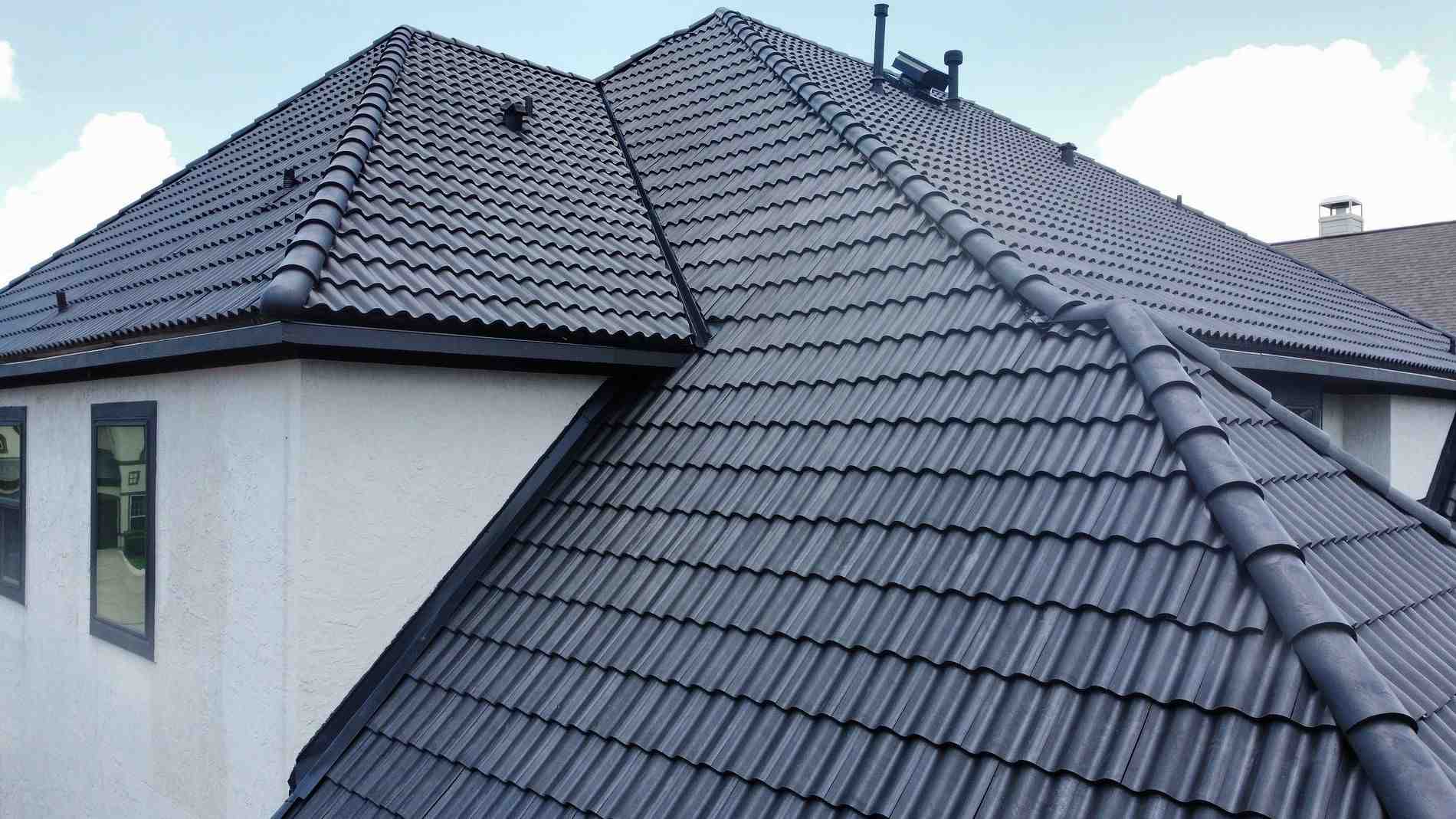
The Revolution in Roofing: Why Synthetic Tiles Offer 50+ Year Performance
Synthetic roof tiles are advanced roofing materials engineered to replicate traditional slate, cedar shake, and clay tiles while offering superior durability, a 50+ year lifespan, and lower maintenance. For homeowners exploring high-performance roofing systems, these materials provide a compelling combination of beauty, longevity, and sustainability. Unlike natural materials that come with drawbacks like excessive weight and fragility, synthetic tiles solve these problems by using advanced polymer compounds, often including recycled rubber and plastics.
Quick Facts About Synthetic Roof Tiles:
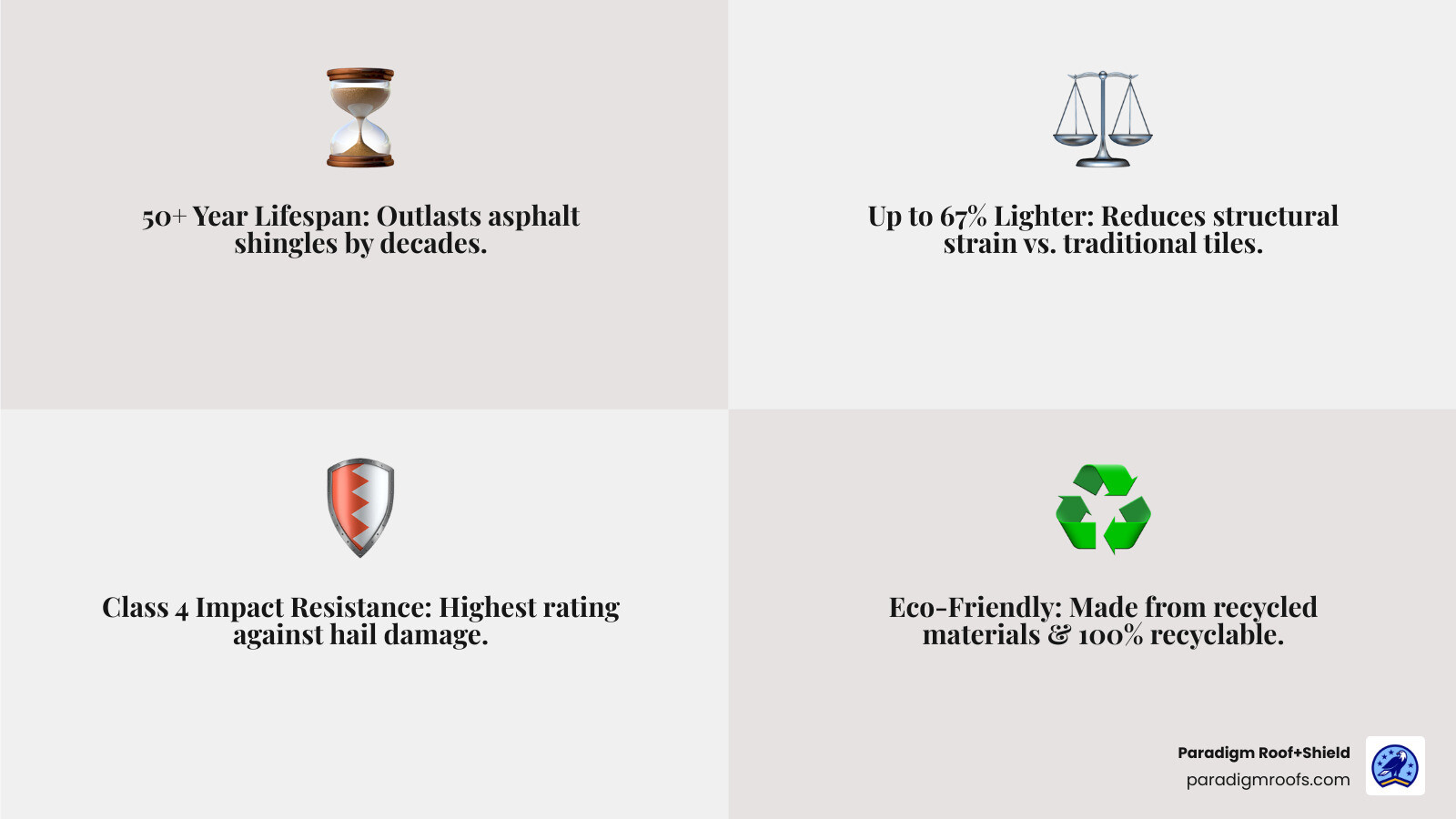
- Lifespan: 50+ years (compared to 15-30 years for asphalt shingles)
- Weight: Up to 67% lighter than traditional clay or concrete tiles
- Impact Resistance: Class 4 rating—the highest achievable standard
- Wind Resistance: Withstands winds up to 211 mph depending on installation
- Cost: $9-$12 per square foot installed (natural slate runs $14-$28 per square foot)
- Recyclability: Made from recycled materials and 100% recyclable at end-of-life
- Fire Rating: Class A or C fire resistance available
A composite slate roof looks nearly identical to natural quarried slate but weighs a fraction of the amount, resists hail and high winds better, and requires virtually no maintenance over its 50-year lifespan. Whether you’re building new construction, replacing an aging roof, or seeking a more durable alternative to asphalt shingles, synthetic tiles offer a compelling combination of performance, aesthetics, and value.
As Greg Hiltz, CEO of Paradigm Roof+Shield, I’ve guided countless property owners through the decision-making process for high-performance roofing systems, including advanced synthetic roof tiles that deliver both curb appeal and weather resilience. My experience spans traditional shingle applications to cutting-edge solutions, and I’ve seen how these materials transform homes while reducing long-term costs and maintenance burdens.
What Are Synthetic Roof Tiles? A Look at Materials and Styles
Synthetic roof tiles are innovative roofing materials designed to replicate the classic beauty of natural roofing options while significantly enhancing performance and durability. They are essentially engineered roofing materials, typically made from advanced polymer composites. Unlike natural materials that are quarried or harvested, synthetic roof tiles are manufactured, allowing for precise control over their composition, appearance, and performance characteristics.
The Science Behind the Shingle
The creation of synthetic roof tiles is a testament to modern material science. Their manufacturing process often involves sophisticated techniques like injection molding and extrusion. This allows manufacturers to form tiles that are not only structurally sound but also incredibly detailed in their imitation of natural textures.
A common base material for many synthetic tiles is high-density polyethylene, often combined with recycled plastics and rubbers. For instance, some manufacturers create their tiles using up to 80% upcycled polymers, making them a sustainable choice. The inclusion of virgin resins in the formulation ensures a consistent appearance and long-term performance, while UV inhibitors are vital for preventing color fade and degradation from sun exposure, a crucial factor in the intense sun of places like Houston, TX, and Neptune Beach, FL. Additionally, fire retardants are integrated into the material to improve safety, achieving high fire resistance ratings.
Popular Styles of Synthetic Roof Tiles
One of the most compelling aspects of synthetic roof tiles is their ability to mimic a wide array of traditional roofing aesthetics without the inherent drawbacks. This means homeowners in McKinney, TX, or anywhere else, can achieve the desired architectural style with superior functionality.
Here are the popular styles we see:
- Synthetic Slate: This option flawlessly replicates the neat, natural appearance of quarried slate. Manufacturers mold these tiles from casts of natural slate, capturing its unique dips, grooves, and varied textures. They often come in various widths and natural color blends to create an authentic, non-repeating pattern.
- Synthetic Cedar Shake: For those who adore the rustic charm of cedar shakes, synthetic versions offer a durable alternative. These are engineered to mimic the look of hand-split cedar, complete with authentic wood grain texture, but without the risk of curling, rot, or fire.
- Synthetic Barrel Tile: Mimicking the classic Spanish and Mediterranean barrel tiles, these synthetic options provide the iconic curved aesthetic. They offer the prestige of clay or concrete barrel tiles but are significantly lighter and far more durable, making them ideal for homes with specific architectural requirements or HOA guidelines.
- Synthetic Concrete Tile: These tiles offer the sleek, modern look of real concrete with improved shadow lines. They combine the crisp, clean aesthetic of concrete with the longevity and durability of advanced polymers.
Architectural Styles That Pair Well with Each Synthetic Tile Type:
- Synthetic Slate: Victorian, Colonial, Tudor, French Country, Contemporary, Neo-Classical.
- Synthetic Cedar Shake: Craftsman, Ranch, Rustic, Traditional, Mountain-style, Cape Cod.
- Synthetic Barrel Tile: Mediterranean, Spanish Colonial, Mission, Southwestern, Hacienda.
- Synthetic Concrete Tile: Modern, Contemporary, Mid-Century Modern, Industrial.
7 Undeniable Benefits of Synthetic Roofing (Including 211 MPH Wind Resistance)
When considering a new roof, the decision often comes down to balancing aesthetics, durability, and cost. Synthetic roof tiles consistently emerge as a top contender, offering a compelling blend of all three. Here at Paradigm Roof+Shield, we’ve seen how these advanced materials provide significant advantages, particularly in the challenging climates we experience in Texas and Florida.
Unrivaled Durability and Performance
One of the standout benefits of synthetic roof tiles is their exceptional durability. They are engineered to withstand the harshest weather conditions, offering peace of mind to homeowners.
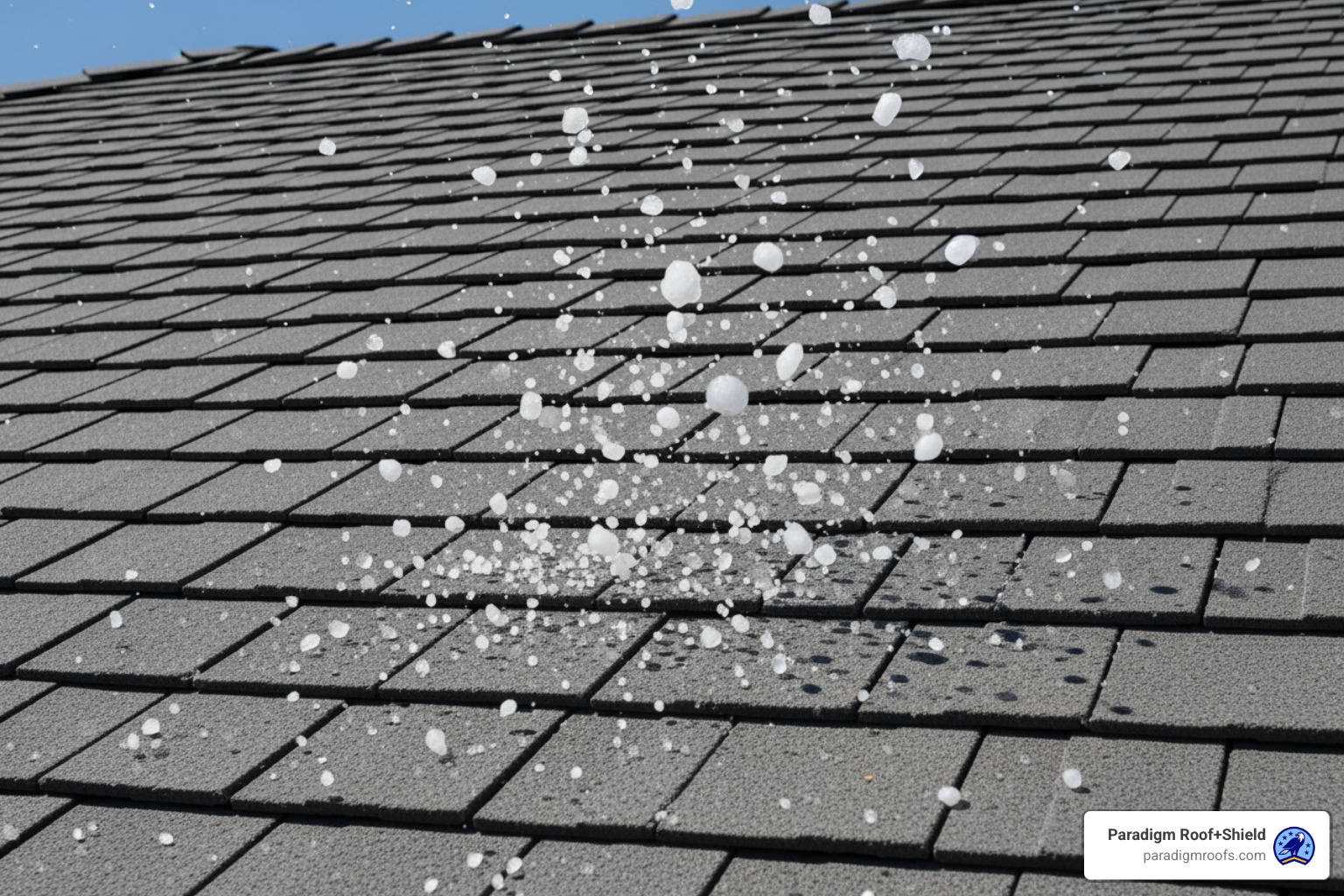
- Impact Resistance: Many synthetic roof tiles boast a Class 4 impact resistance rating, which is the highest achievable standard. This means they are highly resistant to cracking from hail or falling debris, a critical feature for areas prone to severe thunderstorms like Houston, TX. In fact, many manufacturers offer hail damage warranties, a testament to their resilience.
- Wind Resistance: Our regions are no strangers to high winds, from tropical storms in Neptune Beach, FL, to severe fronts in McKinney, TX. Synthetic tiles are designed to resist extreme wind uplift, with some products capable of withstanding winds up to 211 mph depending on the installation method. Brands like Brava offer impressive wind ratings, ensuring your roof stays put when it matters most.
- Freeze-Thaw Cycle Resistance: Unlike some natural materials that can absorb moisture and crack during freeze-thaw cycles, synthetic roof tiles are freeze-resistant. This prevents common issues like splitting and deterioration, contributing to their long lifespan.
Lightweight and Low-Maintenance
The practical benefits of synthetic roof tiles extend far beyond their ability to withstand severe weather.
- Weight Comparison: This is a game-changer. Synthetic roof tiles can be up to 67% lighter than traditional clay or concrete tiles. For example, some synthetic tiles weigh as little as 6.5 kg/m², compared to 44-50 kg/m² for traditional clay roofs. This significant weight reduction often eliminates the need for costly structural reinforcement of your roof deck, simplifying installation and saving on overall project costs. It also means less stress on your home’s foundation over time.
- Resistance to Mold, Algae, and Moss: In humid climates like Houston and Neptune Beach, mold and algae can be a persistent problem for roofs. Synthetic roof tiles are naturally resistant to mold, moss, and algae growth, thanks to their non-porous nature and material composition. This keeps your roof looking clean and vibrant without the need for harsh chemical treatments.
- Simple Cleaning Requirements: Due to their inherent resistance to biological growth and fading, synthetic roof tiles require minimal maintenance. Occasional cleaning with mild soap and water is usually sufficient to keep them looking their best, a stark contrast to the intensive care some natural materials demand.
Long-Term Value and Lifespan
While the initial investment in synthetic roof tiles might be higher than traditional asphalt shingles, their long-term value proposition is undeniable.
- Lifespan: A major draw for homeowners is the exceptional lifespan. Many synthetic roof tiles are backed by warranties extending 50 years or more, far surpassing the typical 15-30 year lifespan of asphalt shingles. This means you’re investing in a roof that could last a lifetime.
- Cost Comparison: Let’s talk numbers. Synthetic slate roofs typically cost around $9 to $12 per square foot installed. While this is more than asphalt, it’s significantly less than natural slate, which can range from $14 to $28 per square foot installed. This makes synthetic options a cost-effective alternative to achieve a premium look.
- Long-Term ROI: The durability, low maintenance, and energy efficiency of synthetic roof tiles translate into a strong return on investment. Reduced repair and replacement costs over the decades, coupled with potential insurance discounts for their high impact and wind resistance, make them a financially shrewd choice.
Buyer’s Guide to Synthetic Tiles: Decoding Fire, Impact, and Wind Ratings
Choosing the right synthetic roof tiles involves more than just picking a color. Understanding the key features and specifications ensures you select a product that not only looks great but also performs optimally for your home in Texas or Florida.
Decoding Performance Ratings
These ratings are your roof’s report card, indicating how well it will stand up to common threats.
- Fire Rating: This is crucial for safety. The highest fire rating achievable is Class A, which means the material is highly resistant to external fire exposure. Many synthetic roof tiles offer Class A fire ratings, providing superior protection for your home. Class C ratings are also available, offering good fire resistance.
- Impact Rating: As mentioned, a Class 4 impact rating is the gold standard, signifying exceptional resistance to hail and debris. This is especially important for areas like McKinney, TX, prone to hailstorms. Look for products that explicitly state this rating and offer a hail warranty.
- Wind Rating: Given the potential for hurricanes and strong winds in our service areas, a high wind resistance rating is non-negotiable. Look for products that meet ASTM D3161 Class F standards, which indicates resistance up to 110 mph, or even higher, with some rated up to 211 mph. Miami-Dade County certification is another robust indicator of wind resistance, often exceeding standard requirements.
Aesthetic and Design Flexibility
The beauty of synthetic roof tiles lies in their ability to perfectly capture the essence of traditional materials while offering unparalleled customization.
- Style Replication: Whether you desire the classic charm of slate, the rustic appeal of cedar shake, or the Mediterranean flair of barrel tiles, synthetic options deliver. Manufacturers use sophisticated molding techniques to create authentic textures and profiles.
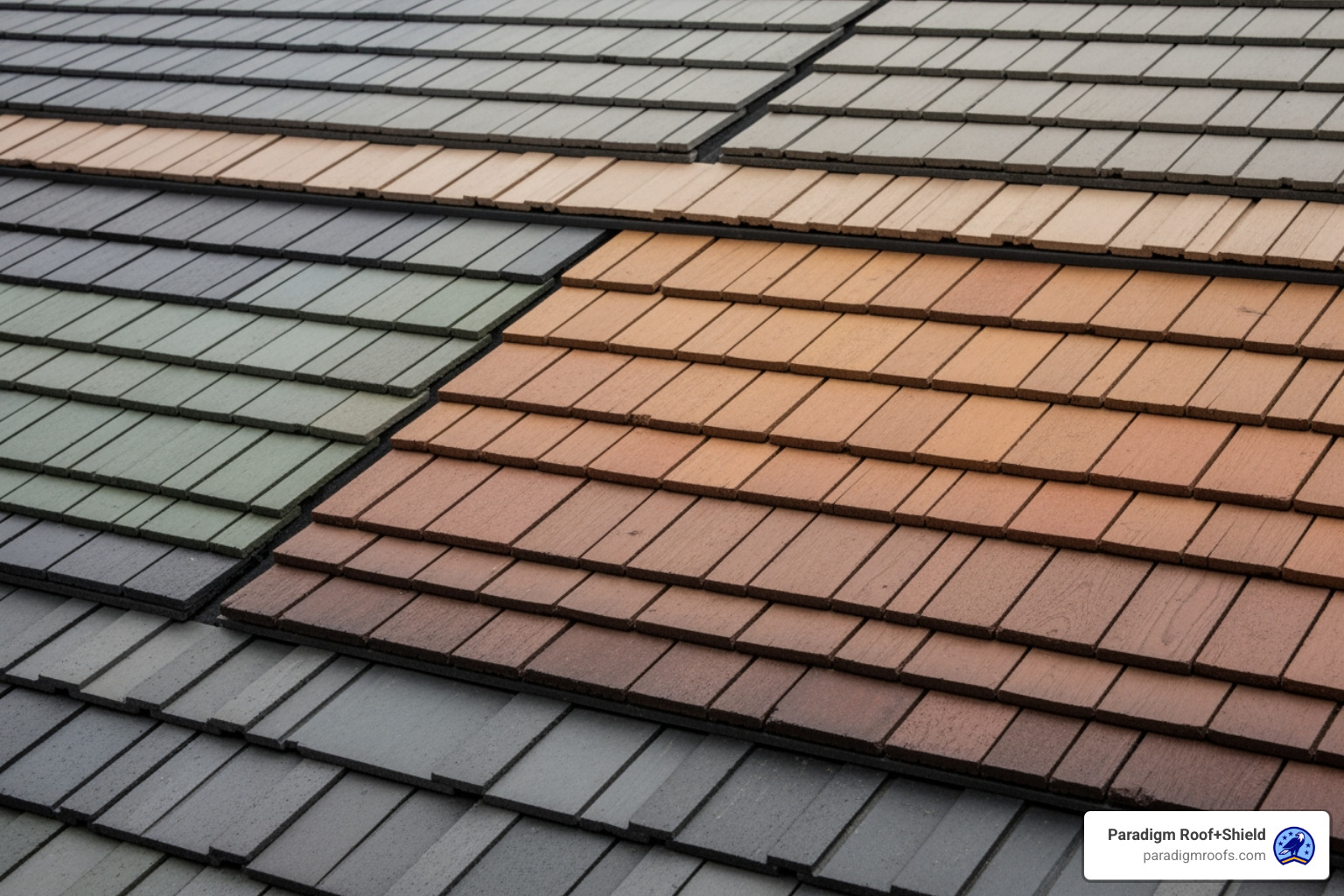
- Color Options: The palette available for synthetic roof tiles is vast. From deep charcoals and grays that mimic natural slate, to warm browns and reds for shakes and barrels, you’ll find a wide range of colors. Many brands also offer custom color blending to match specific architectural styles or HOA requirements.
- UV Stabilizers for Fade Resistance: High-quality synthetic roof tiles are fortified with UV stabilizers. This ensures that the color remains vibrant and fade-resistant over decades, even under the intense sun of the southern states. The color is often integrated throughout the material, meaning it won’t chip or scratch off.
- Texture and Profile: To improve realism, many synthetic tiles feature varying widths, thicknesses, and improved shadow lines. This creates a natural, non-repeating pattern that adds depth and dimension to your roof, making it virtually indistinguishable from its natural counterpart.
Energy Efficiency and ‘Cool Roof’ Options
In our warm climates, energy efficiency is a major concern for homeowners. Synthetic roof tiles can play a significant role in reducing your energy bills.
- Cool Roof Technology: Many synthetic roof tiles are designed with reflective properties, making them excellent “cool roof” options. These materials minimize heat absorption by reflecting more sunlight and emitting absorbed solar energy more efficiently than standard roofs.
- Lowering Roof Surface Temperatures: According to the U.S. Department of Energy, reflective roofing can lower roof surface temperatures by up to 50°F, significantly reducing the amount of heat transferred into your attic and home.
- Reducing Energy Bills: By keeping your home cooler, these tiles can substantially reduce your cooling costs during peak summer months. We’ve seen homes experience up to a 15-20% reduction in cooling costs with energy-efficient roofing.
- Contribution to LEED and Green Building Standards: The use of recycled content and the energy-saving properties of synthetic roof tiles contribute positively to green building initiatives and can help projects achieve certifications like LEED.
Synthetic Roof Tiles: Installation, Cost vs. Value, and 50-Year Lifespan
Understanding the practicalities of synthetic roof tiles — from how they’re installed to any potential considerations and their long-term outlook — is essential for making an informed decision.
The Installation Process
One of the significant advantages of synthetic roof tiles is their installation process, which often presents fewer challenges compared to traditional materials.
- Comparison to Traditional Materials: Synthetic roof tiles are lighter and much easier to handle than heavy natural slate, clay, or concrete. This reduces labor intensity and can speed up the installation timeline.
- No Special Structural Support Needed: Because of their lightweight nature, synthetic roof tiles typically do not require the costly structural reinforcement often necessary for heavier traditional options. This is a major benefit for both new construction and re-roofing projects.
- Can Be Cut with Standard Tools: Installers can usually cut synthetic roof tiles with standard circular saws or utility blades, eliminating the need for specialized equipment. This ease of cutting also reduces waste.
- Faster Installation: The combination of lighter weight, easier handling, and straightforward cutting often leads to a faster installation process compared to more cumbersome natural materials. Some modular systems even boast installation rates of up to 35 m² per hour.
- Modular Systems: Many synthetic roof tiles are part of modular engineered roof systems, which include coordinating accessories like ridge tiles and closures. This ensures a cohesive and professional finish.
- Patented Anchor Systems for Leak Prevention: Some advanced systems feature patented anchor systems that hide screws in the overlap, providing a clean aesthetic and, more importantly, a double-safe, leak-free installation. This is a significant improvement over traditional methods that can be prone to leaks.
Potential Drawbacks and Considerations
While the benefits are numerous, it’s important to acknowledge a few considerations when choosing synthetic roof tiles.
- Upfront Cost: Generally, synthetic roof tiles have a higher upfront cost than standard asphalt shingles. However, as we’ve discussed, this initial investment is often offset by their longevity, low maintenance, and energy savings over the roof’s lifespan.
- Appearance: For some purists, no synthetic material can perfectly replicate the nuanced, geological variations of natural slate or the organic aging process of real wood shakes. While technology has made remarkable strides, a very keen eye might detect the difference. However, for most homeowners, the aesthetic benefits far outweigh this minor point.
- Finding Qualified Installers: While installation can be easier than traditional heavy materials, it still requires expertise. Finding qualified installers experienced with synthetic roof tiles for your residential roofing project is critical to ensure the warranty is valid and the roof performs as designed. We, at Paradigm Roof+Shield, pride ourselves on our technical excellence and experienced team.
Lifespan and Warranty
Investing in a roof is a long-term commitment, and synthetic roof tiles are designed to deliver on that promise.
- Expected Lifespan: Synthetic roof tiles are built to last. Their expected lifespan is typically 50 years or more, often outperforming many traditional materials. This means fewer roof replacements over the lifetime of your home.
- Warranty Options: Manufacturers of synthetic roof tiles stand behind their products with robust warranties. You’ll commonly find 50-year limited material warranties, and some even offer transferable labor and material warranties. Look for specific warranties against hail and high winds, especially important for our regions.
| Roofing Material | Typical Lifespan | Maintenance Requirements | Upfront Cost (per sq ft installed) |
|---|---|---|---|
| Synthetic Tiles | 50+ Years | Very Low (occasional cleaning) | $9 – $12 |
| Asphalt Shingles | 15 – 30 Years | Moderate (repair/replace damaged shingles) | $4 – $8 |
| Wood Shakes | 20 – 40 Years | High (treatment, repair, fire risk) | $10 – $20 |
| Natural Slate | 75 – 100+ Years | High (specialized repair, fragile) | $14 – $28 |
Frequently Asked Questions about Synthetic Roofing
We often get questions from homeowners in McKinney, Houston, and Neptune Beach about synthetic roof tiles. Here are some of the most common inquiries.
How much do synthetic roof tiles cost?
Synthetic roof tiles generally fall into a mid-to-high price range. They are typically more expensive than standard asphalt shingles but considerably less expensive than natural slate or clay tiles. On average, you can expect to pay around $9 to $12 per square foot for synthetic roof tiles installed. This cost can vary based on the specific style (slate, shake, barrel), manufacturer, and complexity of your roof. While the upfront investment is higher than some alternatives, their long lifespan, durability, and low maintenance contribute to a strong long-term value proposition, often resulting in lower costs over the roof’s lifetime.
Are synthetic roof tiles environmentally friendly?
Yes, synthetic roof tiles are often an excellent eco-friendly choice.
- Made from Recycled Materials: Many synthetic tiles are manufactured using a high percentage of recycled plastics and rubbers, diverting waste from landfills. Some products boast up to 80% upcycled polymers.
- 100% Recyclable at End-of-Life: At the end of their exceptionally long lifespan, most synthetic roof tiles can be completely recycled, further reducing environmental impact.
- Lower Production Carbon Footprint: The manufacturing processes for synthetic roof tiles often have a lower carbon footprint compared to the energy-intensive quarrying and transportation of natural materials.
- Energy Savings: Their “cool roof” properties can reduce your home’s energy consumption, leading to lower greenhouse gas emissions from power generation. This aligns with many green building standards and initiatives.
How do synthetic tiles perform in extreme weather?
Synthetic roof tiles are engineered for superior performance in extreme weather conditions, making them ideal for the diverse and sometimes harsh climates of Texas and Florida.
- Hail Resistance: With a Class 4 impact rating, synthetic roof tiles are extremely resistant to hail damage, which is a common concern in our regions. This can often lead to insurance discounts.
- High Winds: They excel in high wind conditions, with many products tested to resist winds up to 110 mph, and some even up to 211 mph, depending on the installation method. This is critical for hurricane-prone areas like Neptune Beach, FL.
- Extreme Temperatures: Synthetic roof tiles are designed to withstand wide temperature fluctuations without cracking or becoming brittle. They perform well in both the intense heat of a Texas summer and occasional freezing temperatures, showing minimal dimensional change.
- Heavy Rain and Snow: Their non-porous nature and interlocking designs ensure excellent waterproofing, preventing leaks. They shed water efficiently and are not susceptible to ice damming in winter conditions.
Conclusion: A Smart Investment for the Modern Homeowner
In summary, synthetic roof tiles represent a remarkable advancement in roofing technology, offering a solution that perfectly blends aesthetics with performance. They provide the timeless beauty of natural materials like slate, cedar shake, and clay, but surpass them in durability, longevity, and ease of maintenance. Their lightweight nature, superior resistance to impact and wind, and significant environmental benefits make them an increasingly popular and responsible choice for homeowners.
For properties in McKinney, TX, Houston, TX, and Neptune Beach, FL, where weather can be unpredictable and harsh, synthetic roof tiles offer an unparalleled level of protection and peace of mind. Choosing synthetic is not just about installing a roof; it’s about making a smart, long-term investment in your home’s resilience, energy efficiency, and curb appeal.
For expert guidance on whether synthetic roof tiles are right for your property, consult with the professionals at Paradigm Roof+Shield. Our veteran-led team is committed to technical excellence and helping you find the perfect roofing solution. Learn more about high-performance Brava Roof Tiles and explore how they can transform your home.