

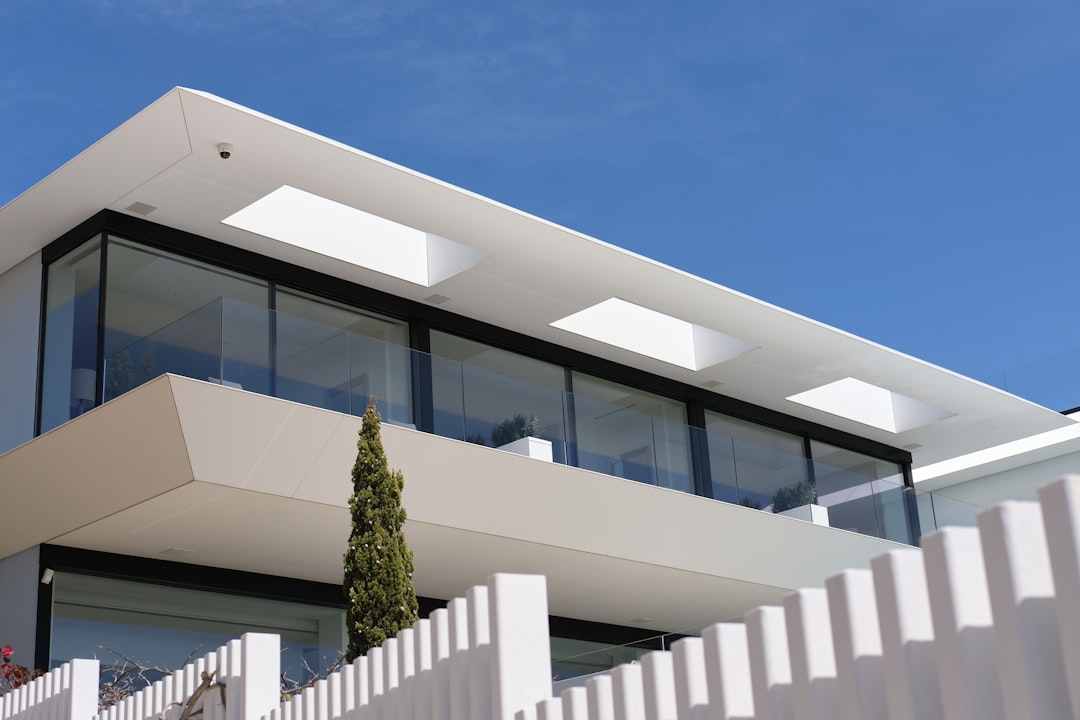
Why Residential Homeowners Are Turning to TPO for Flat Roofs
TPO roofing residential applications are changing how homeowners approach flat and low-slope roof challenges. If you’re researching this topic, here’s what you need to know:
What is Residential TPO Roofing?
- A single-ply white membrane made from thermoplastic polyolefin (rubber and plastic blend)
- Designed specifically for flat or low-slope roofs (pitch below 2:12)
- Offers superior energy efficiency by reflecting up to 90% of UV rays
- Features heat-welded seams for watertight protection
- Lasts 20-30 years with proper installation
- Costs $6-$18 per square foot installed
Why Homeowners Choose TPO:
- Significantly reduces cooling costs (up to 30% savings)
- Prevents water pooling issues that damage traditional shingles
- Required by building codes for low-slope applications
- More affordable than PVC while offering comparable performance
If you’re like most homeowners exploring roofing options, you probably know very little about TPO. That’s understandable—this material was originally designed for commercial buildings. But today, TPO has become a top choice for residential properties with flat roofs, garage covers, modern-style homes, and low-slope dormers. It solves a critical problem: traditional asphalt shingles simply cannot handle sitting water on roofs with a pitch below 2:12, making a waterproof membrane like TPO not just beneficial, but often mandatory per building codes.
The white reflective surface of TPO roofing acts as a “cool roof,” keeping your home more comfortable while lowering air conditioning bills. The heat-welded seams create a monolithic, watertight barrier that outperforms the glued or taped seams found in older rubber roofing systems like EPDM. For homeowners seeking professional roofing services that combine durability with energy efficiency, understanding TPO roofing residential applications is essential.
I’m Greg Hiltz, CEO of Paradigm Roof & Shield, and I’ve guided countless homeowners through complex roofing decisions after transitioning from finance and construction operations to leading a company recognized for technical excellence in both residential and commercial roofing systems. My experience includes overseeing TPO roofing residential installations across Texas, where proper material selection and expert execution make the difference between a 15-year headache and a 30-year asset. This guide will walk you through everything you need to make a confident, informed decision about whether TPO is the right choice for your home.
What is TPO Roofing and Why is it Gaining Popularity for Homes?
TPO stands for Thermoplastic Polyolefin, a name that sounds a bit like a science experiment, doesn’t it? But don’t let the technical jargon intimidate you! In simple terms, TPO is a single-ply roofing membrane made from a clever blend of polypropylene and ethylene-propylene rubber. Think of it as a super-flexible, highly durable sheet designed to cover your roof.
While TPO first made its mark on commercial buildings, its incredible benefits quickly caught the eye of residential property owners. Today, it’s a top choice for homes across Texas and Florida, especially those with flat or low-slope sections like modern-style homes, garage roofs, covered patios, or dormers. These areas are notorious for water pooling, a problem that traditional asphalt shingles simply can’t handle. If your roof has a pitch below 2:12 (meaning it rises less than two inches for every twelve inches of horizontal run), building codes and manufacturer instructions often mandate a waterproof membrane like TPO. It’s not just a suggestion; it’s a necessity to prevent leaks and ensure your home’s structural integrity.
We’ve seen countless homeowners in McKinney, Houston, and Neptune Beach turn to TPO not just for compliance, but for its proven performance. It’s truly transformed how we approach residential flat roofing. You can see examples of our TPO roof projects and witness the clean, modern finish it provides.
Key Characteristics of TPO Material
What makes TPO so special? It’s all in its composition and how it performs.
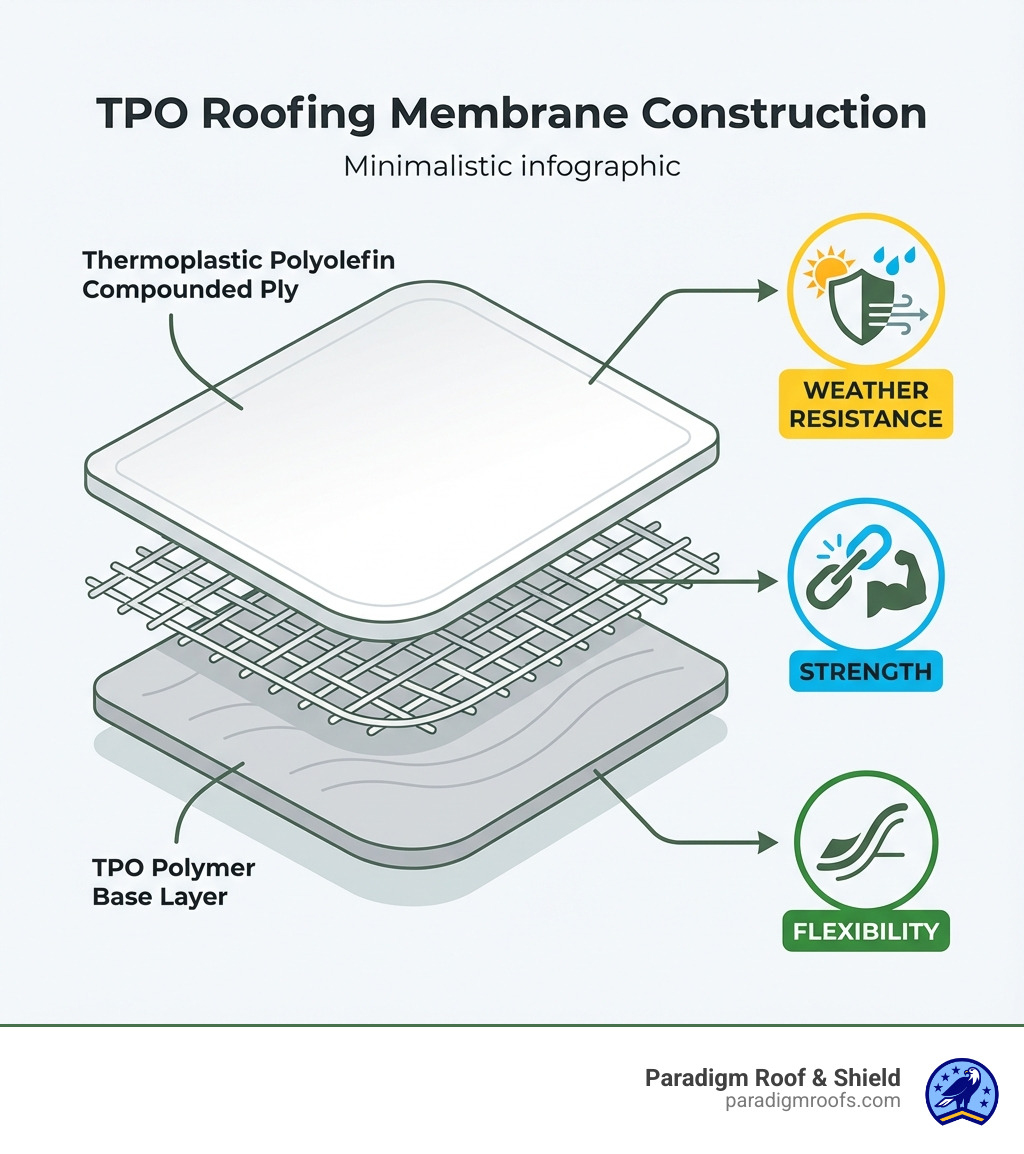
At its core, a TPO membrane isn’t just one layer; it’s typically a three-layer construction, each playing a vital role in its impressive durability:
- A polymer base layer: This provides the fundamental flexibility and resilience.
- A polyester-reinforced fabric center (scrim): This is the “backbone” of the membrane, offering incredible strength and impact resistance, helping it stand up to hail and debris.
- A thermoplastic polyolefin compounded top ply: This is the visible surface, engineered for superior weather resistance, UV protection, and chemical stability.
This thoughtful design gives TPO several key characteristics that make it ideal for residential use:
- Flexibility: TPO is inherently flexible, meaning it doesn’t require extra plasticizers (which can leach out over time). This flexibility allows it to withstand the natural movement of your home and temperature fluctuations without cracking or becoming brittle, a huge advantage in our dynamic Texas and Florida climates.
- Puncture and Tear Resistance: Thanks to its scrim reinforcement, TPO offers excellent protection against punctures, tears, and impacts, whether from falling branches or unexpected foot traffic during maintenance.
- Chemical Resistance: While primarily a benefit for commercial applications, TPO’s resistance to certain chemicals, oils, and greases can also be a plus for residential roofs, especially if there are exhaust vents or other potential sources of contaminants.
The Power of Heat-Welded Seams
One of TPO’s most significant advantages, and frankly, a game-changer in roofing technology, lies in its installation method: heat-welded seams.
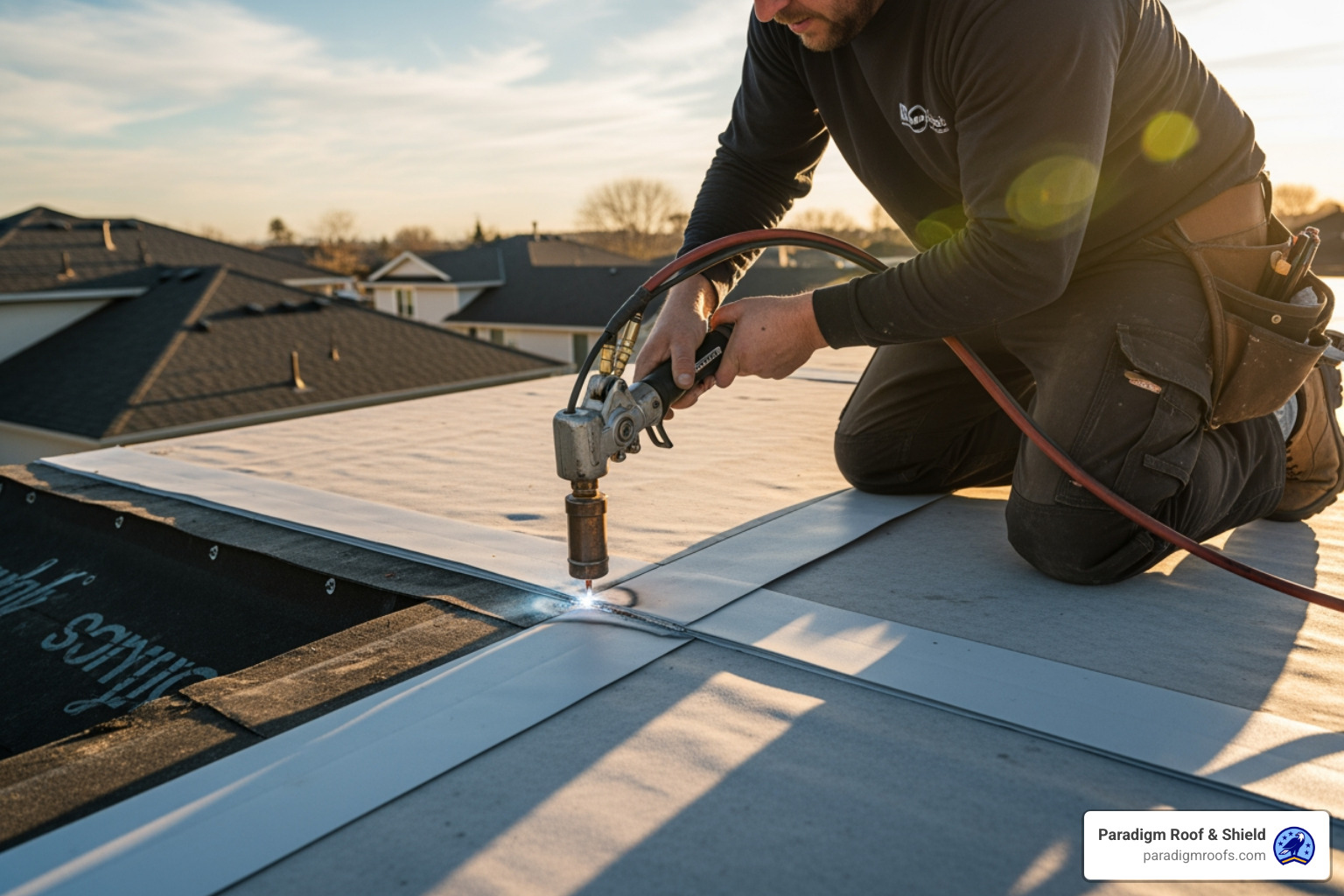
Unlike older flat roofing systems that rely on glues, tapes, or sealants that can degrade over time, TPO sheets are fused together using a specialized hot-air welder. Imagine two pieces of plastic becoming one seamless, monolithic surface—that’s what happens with TPO. This process creates a bond that is often stronger than the membrane itself.
Why does this matter so much for your home?
- Best Leak Protection: Because the seams are physically melted and fused, they form an impermeable, watertight barrier. This drastically reduces the risk of leaks, which are all too common with adhesive-based seams that can eventually fail due to age, UV exposure, or temperature shifts.
- Superior Strength: Studies have shown that TPO seams can be 3 to 4 times tougher than those found in EPDM systems. This robust connection means your roof can better withstand uplift from strong winds, a critical consideration for homes in hurricane-prone areas of Florida and storm-prone regions of Texas.
This innovative seam technology is a primary reason why we confidently recommend TPO roofing residential applications for homeowners seeking long-term peace of mind.
The Pros and Cons of Residential TPO Roofing
When considering any major home improvement, especially one as crucial as your roof, weigh the benefits against any potential considerations. TPO offers a compelling balance of performance and value, but like all materials, it has its unique characteristics. Let’s explore what makes TPO shine for homeowners and what you should keep in mind.
Top 5 Benefits for Homeowners
Choosing TPO for your residential property can bring a host of advantages, especially for flat or low-slope sections:
- Exceptional Energy Efficiency (The “Cool Roof” Effect): This is often the first benefit homeowners notice, especially in the Texas and Florida heat! TPO’s bright white surface is highly reflective, acting as a cool roof. It can reflect up to 90% of the sun’s UV rays and heat, keeping your roof surface 50-60°F cooler than traditional dark roofing materials. This directly translates to less heat entering your home, reducing the workload on your air conditioning system, and potentially lowering your cooling costs by up to 30%. Many TPO products even exceed ENERGY STAR standards for energy efficiency.
- Superior Durability: Modern TPO formulations are engineered for resilience. They resist UV degradation, ozone exposure, and chemical damage, ensuring a longer lifespan. Additionally, TPO naturally resists mold growth and offers excellent protection against punctures and tears from debris or foot traffic.
- Watertight Seam Strength: As we discussed, the heat-welded seams are a cornerstone of TPO’s reliability. They create a continuous, impenetrable barrier that virtually eliminates the leak points often found in other flat roof systems that rely on adhesives. This means fewer worries about water intrusion during heavy rains.
- Cost-Effective Solution: Compared to other single-ply options like PVC, TPO is generally more affordable upfront. When you combine its competitive initial cost with its long lifespan (typically 20-30 years) and the energy savings it provides, TPO offers excellent long-term value for your investment.
- Environmentally Friendly: For the eco-conscious homeowner, TPO is a great choice. It contains no hazardous plasticizers or chlorine, making it a cleaner material. Furthermore, TPO is one of the few roofing materials that is 100% recyclable at the end of its long service life, contributing to a reduced environmental footprint.
Potential Drawbacks and Considerations
While TPO offers impressive advantages, it’s important to be aware of certain aspects:
- Evolving Technology: TPO is a relatively newer technology compared to materials like EPDM, which has been around for over 60 years. While modern TPO is highly reliable, some early formulations (especially those from the 1990s and early 2000s) did face challenges with premature degradation and seam failures due to heat and UV exposure. The industry has learned a lot, and current products are significantly improved, but it’s why industry advisories, like this MRCA report, have been important in shaping product development.
- Manufacturer Variation: Performance can vary between different TPO manufacturers. It’s crucial to choose a reputable brand and ensure your contractor uses high-quality materials.
- Technique-Sensitive Installation: TPO installation is highly specialized and requires skilled professionals. The heat-welding process, in particular, demands precision and expertise. Improper installation can lead to seam failures and drastically shorten the roof’s lifespan, negating many of its benefits. This is why DIY installation is strongly discouraged.
- Aesthetics and Maintenance: While TPO is functional, its primary color options are white, tan, and gray. If the white membrane is visible from windows, some homeowners might find it gets dirtier faster, which can be an aesthetic consideration. Maintaining its reflectivity requires occasional cleaning.
TPO vs. Other Common Roofs: A Head-to-Head Comparison
Choosing the right roofing material for your home is a big decision, and it often comes down to your roof’s slope, your budget, and the local climate. While we love TPO, we also believe in providing you with all the information to make the best choice. TPO truly shines in low-slope applications where traditional materials often fall short.
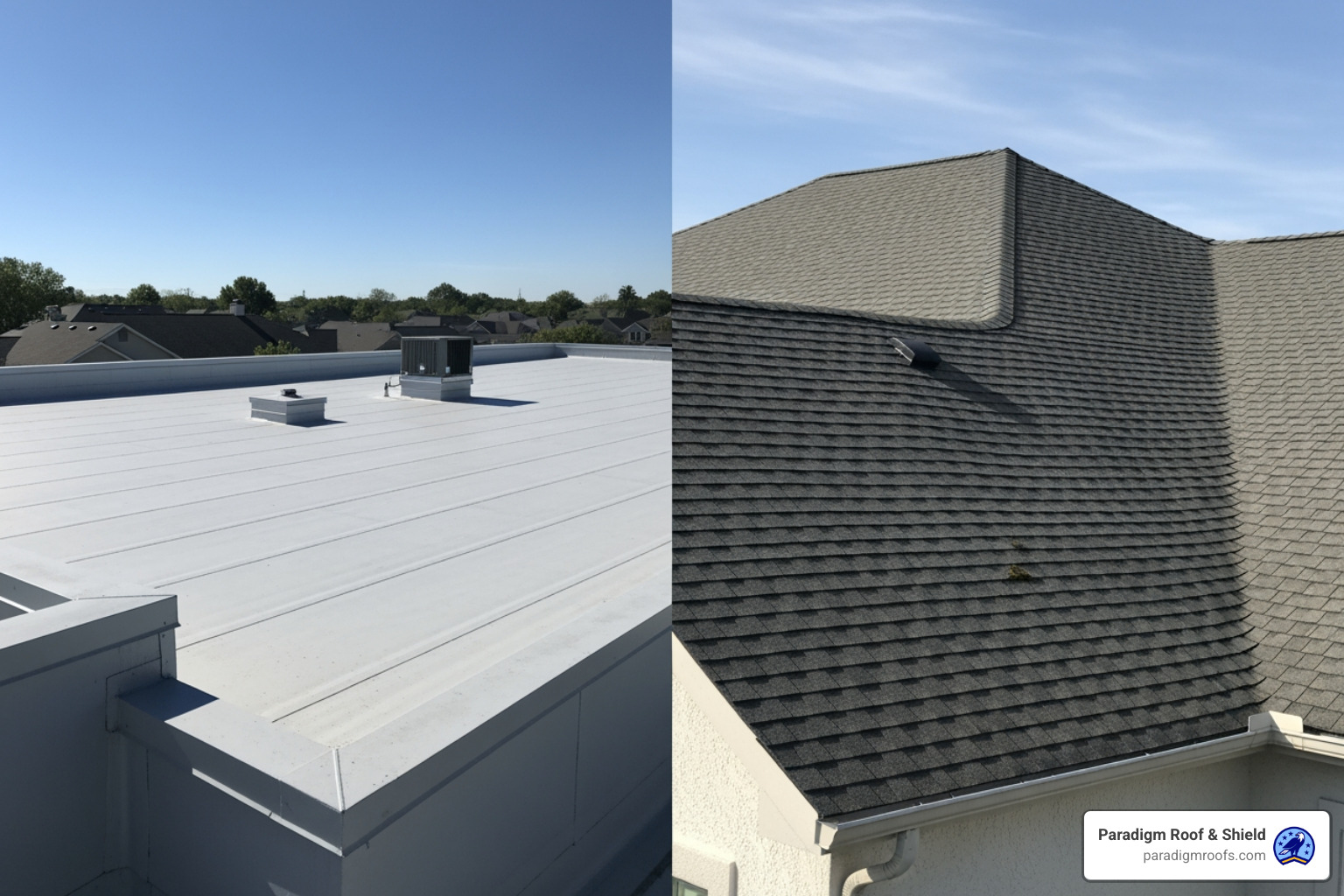
Let’s compare TPO roofing residential applications against two other common roofing types you might encounter: traditional asphalt shingles and EPDM (ethylene propylene diene monomer), often called “rubber roofing.”
| Feature | TPO (Thermoplastic Polyolefin) | Asphalt Shingles (Traditional) | EPDM (Ethylene Propylene Diene Monomer) |
|---|---|---|---|
| Lifespan | 20-30 years (with proper care) | 15-30 years | 20-40 years |
| Average Cost | $6 – $18 per sq ft (installed) | $5 – $8 per sq ft (installed) | $5 – $12 per sq ft (installed) |
| Energy Efficiency | High (reflective, “cool roof”) | Low (absorbs heat) | Moderate/Low (black, absorbs heat) |
| Best For | Flat/Low-slope roofs (pitch < 2:12), hot climates | Steep-slope roofs (pitch > 2:12) | Flat/Low-slope roofs, cooler climates |
| Seam Technology | Heat-welded (fused, watertight) | Overlapping, nailed (prone to water on low slopes) | Adhesives/tape (can degrade over time) |
Why TPO Stands Out for Flat Roofs:
- Asphalt Shingles: While a popular and cost-effective choice for steep-slope roofs, asphalt shingles are simply not designed for flat or low-slope applications. They rely on gravity to shed water quickly. On a low-slope roof, water can sit and pool, leading to premature deterioration, leaks, and costly damage to your home’s structure. If a roofer suggests asphalt shingles for a roof with a pitch below 2:12, politely decline and find a more qualified professional.
- EPDM (Rubber Roofing): EPDM has been a long-standing option for flat roofs, known for its durability. However, it’s typically black, meaning it absorbs a lot of heat—not ideal for our sunny Texas and Florida weather! Its seams are also generally joined with adhesives or tape, which, over time, can dry out, crack, and fail, leading to leaks. TPO’s heat-welded seams offer a superior, more reliable, and longer-lasting bond. While EPDM might sometimes be slightly less expensive upfront, TPO’s energy savings and superior seam integrity often make it a better long-term investment, especially in hot climates.
For homeowners in McKinney, Houston, and Neptune Beach, where flat roofs and intense sunlight are common, TPO roofing residential applications often present the optimal balance of performance, energy efficiency, and value.
TPO Roofing Installation, Cost, and Lifespan Explained
Understanding the practical aspects of a TPO roofing residential project is key for homeowners. From budgeting to long-term care, knowing what to expect will help you make informed decisions and ensure your investment pays off.
What is the Average Cost of Residential TPO Roofing?
The average cost for TPO roofing residential installation generally ranges from $6 to $18 per square foot. For an average 1,500-square-foot residential roof, this could mean a total project cost between $9,000 and $27,000. While this might seem like a broad range, the final price tag for your specific project depends on several key factors:
- Roof Size and Complexity: Larger roofs naturally cost more, but complex rooflines with many penetrations (vents, skylights, AC units) and intricate flashing details also increase labor and material costs.
- Choice of Insulation Thickness and R-value: TPO is often installed over insulation boards (like Polyiso, EPS, or XPS). The type and thickness of this insulation directly impact thermal performance and cost. A thicker insulation layer will improve your home’s energy efficiency but adds to the upfront expense.
- Condition of the Existing Roof: If your old roof needs to be completely torn off and disposed of, this adds significant labor and disposal fees. In some cases, if the existing roof is in good condition, a new TPO membrane can be installed over it (an overlay), which can reduce costs.
- Geographic Location: While we operate in Texas and Florida, local labor rates and material availability can influence pricing within these states.
For a clearer picture, we’re proud to share a recent Dallas TPO re-roof project we completed, showcasing the quality and value we bring to every installation.
Key Considerations for Residential TPO Roofing Installation
TPO installation is not a DIY project. We cannot stress this enough: professional installation is non-negotiable for ensuring your roof performs as expected, meets manufacturer warranty requirements, and stands the test of time. The complexity of heat-welding seams and proper flashing demands expertise.
Here’s what goes into a professional TPO installation:
- Surface Preparation: The existing roof deck must be carefully cleaned, dry, and free of any debris or contaminants. Any repairs to the deck must be completed first to provide a stable, smooth substrate.
- Insulation Board Installation: Often, a layer of rigid insulation board (typically 0.5 to 1 inch thick) is installed over the roof deck. This not only improves your home’s thermal performance but also provides a smooth, stable surface for the TPO membrane and helps prevent punctures.
- Installation Methods: TPO membranes can be installed in a few ways:
- Mechanically Attached: This involves fastening the TPO sheets and insulation directly to the roof deck using specialized plates and screws.
- Fully Adhered: The TPO membrane is glued down to the insulation board or substrate using a strong bonding adhesive.
- Ballasted: While more common in commercial settings, this involves laying the TPO loosely and holding it down with a layer of ballast (e.g., river rock). This method is less common for residential roofs due to weight and aesthetic considerations.
- Heat-Welding Technique: This is the critical step where adjacent TPO sheets are overlapped (typically by about a foot) and fused together using a hot-air welding tool. This creates the strong, watertight seams that are a hallmark of TPO.
- Flashing Details: Proper flashing around all roof penetrations (vents, pipes, skylights), edges, and parapet walls is crucial. Since TPO only bonds to itself, specialized TPO-clad metals are often used to ensure proper adhesion and a watertight seal in these vulnerable areas.
- Installation Over Existing Roofs: In some cases, TPO can be installed over an existing roof if it’s in good condition and cleaned thoroughly. However, local building codes and the condition of the existing roof are key considerations. You can learn more about installing TPO over an existing roof to understand the nuances.
Lifespan and Maintenance for a Residential TPO Roof
With proper installation and care, a TPO roofing residential system is a long-lasting investment. A properly installed TPO roof can last anywhere from 20 to 30 years, providing decades of reliable protection for your home.
Several factors influence how long your TPO roof will perform optimally:
- Climate and UV Exposure: While TPO is highly resistant to UV rays, extreme, prolonged exposure to intense sunlight (common in Texas and Florida) can affect its aging process.
- Installation Quality: As mentioned, professional installation is paramount. A poorly installed TPO roof will not reach its full potential lifespan.
- Regular Maintenance: Just like any part of your home, a TPO roof benefits from routine care.
Here are our top maintenance tips to ensure your TPO roof lives a long, happy life:
- Semi-Annual Inspections: We recommend professional inspections at least twice a year, ideally in spring and fall, and especially after any severe weather events. This helps catch minor issues before they become major problems.
- Keep the Surface Clean: Dirt, debris, and algae can accumulate on the white surface, reducing its reflectivity and energy efficiency. Regularly clearing debris (leaves, branches) and gently cleaning the surface with a soft-bristled broom, mild detergent, and a low-pressure power washer (under 2,000 PSI) will maintain its “cool roof” properties.
- Check Seams and Flashing: During inspections, pay close attention to the integrity of seams and flashing around penetrations. These are critical areas for preventing leaks.
- Clear Debris from Drains: Ensure all roof drains, scuppers, and gutters are clear of leaves and debris to allow for proper water runoff. Standing water is the enemy of any flat roof.
- Minimize Foot Traffic: While TPO is durable, it’s best to minimize unnecessary foot traffic to prevent accidental punctures or wear.
Frequently Asked Questions about Residential TPO Roofing
We often get a lot of great questions from homeowners curious about TPO roofing residential applications. Here are some of the most common ones we hear:
Is TPO a good choice for any home?
TPO is an excellent choice specifically for homes with flat or low-slope roof sections. This includes modern-style homes with expansive flat roofs, garages, dormers, or covered patios. It’s designed to perform where traditional sloped roofing materials like asphalt shingles or tiles would fail due to water pooling. However, TPO is not designed for steep-slope roofs (pitches above 2:12), where other materials are more appropriate and aesthetically suited. So, if your entire home has a steeply pitched roof, TPO likely isn’t the right fit.
How do you repair a puncture in a TPO roof?
Minor punctures or tears in a TPO roof can typically be repaired by a professional. The repair process is quite effective due to the material’s heat-weldable nature:
- Clean the Area: The damaged area is thoroughly cleaned and dried to ensure proper adhesion.
- Cut a Patch: A patch is cut from a new piece of matching TPO material, often with rounded corners to prevent lifting.
- Heat-Weld the Patch: A hot-air welder is used to fuse the patch directly over the damaged area. This creates a permanent, watertight seal that essentially makes the patch an integral part of the original membrane.
While small repairs might seem straightforward, we always recommend professional intervention to ensure the repair is done correctly and maintains the roof’s integrity and warranty.
Can you walk on a TPO roof?
Yes, you can walk on a TPO roof for inspection and maintenance purposes. Unlike some older membrane systems that are very fragile, TPO’s reinforced construction makes it quite durable. However, it’s always best to minimize foot traffic to only what’s necessary.
It’s crucial to be aware that the surface can become very slippery when wet, so exercise extreme caution or avoid walking on it during or after rain. Also, be mindful of what you’re carrying: avoid dropping sharp roof calculator tools or dragging heavy equipment that could potentially puncture or damage the membrane. Think of it as a sturdy, yet sensitive, surface that deserves respect.
Your Partner for Expert TPO Roofing Solutions
Choosing the right roofing material for your flat or low-slope home is a critical decision, but it’s only half the battle. The true longevity and energy-saving benefits of a TPO system hinge entirely on expert installation. At Paradigm Roof & Shield, we believe in craftsmanship, innovation, and integrity—values embodied by our veteran-led team. We are committed to technical excellence, ensuring that every TPO roofing residential installation we undertake meets the highest standards, providing you with a flawless, long-lasting roof.
For homeowners in McKinney, Houston, and Neptune Beach looking for a durable, cost-effective, and energy-efficient investment in their property’s future, TPO is an exceptional choice. Our team brings discipline and precision to every project, guaranteeing that your TPO roof will perform optimally for decades to come.
To learn more about our specialized services, whether for your home or business, we invite you to explore our Commercial TPO Roofing solutions and contact us for a personalized consultation. We’re here to answer all your questions and help you make the best roofing decision for your home.